







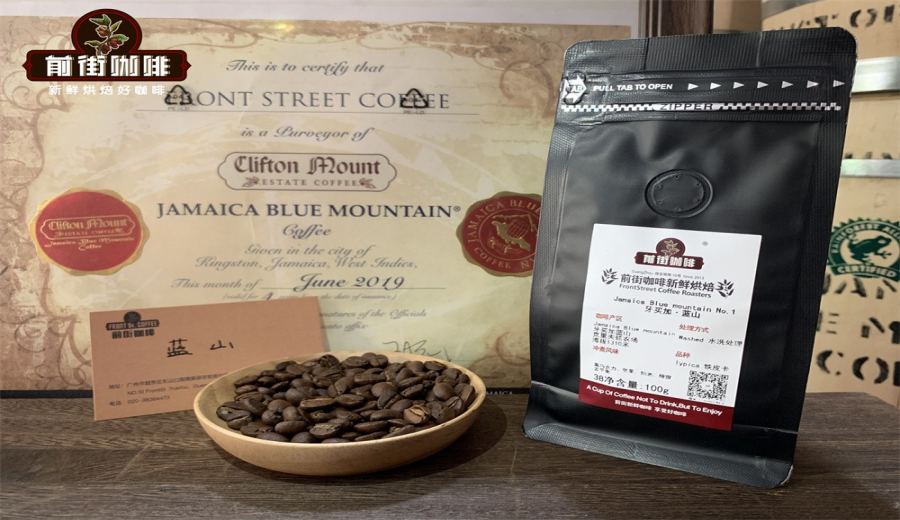
Introduction:Jamaican Blue Mountain coffee is renowned worldwide for its delicate, balanced flavor and unique aroma, making it the dream choice for many black coffee enthusiasts. This article delves into the growing conditions of Blue Mountain coffee, the characteristics of the Typica variety, the traditional washed processing method, the official grading system, and offers practical pour-over brewing suggestions along with flavor profiles to help readers fully appreciate the charm of this top-tier coffee bean.
Blue Mountain coffee is considered a pinnacle among specialty coffees, produced from high-quality Arabica beans grown in Jamaica’s Blue Mountains. With its smooth, mellow taste, layered aromas, and naturally sweet aftertaste, it has become an ultimate favorite among coffee lovers globally. This article will provide a detailed introduction to the growing environment of Blue Mountain coffee, the origin of its variety, washed processing techniques, official grading standards, as well as roasting and brewing recommendations, allowing you to deeply understand every detail of this premium coffee bean.
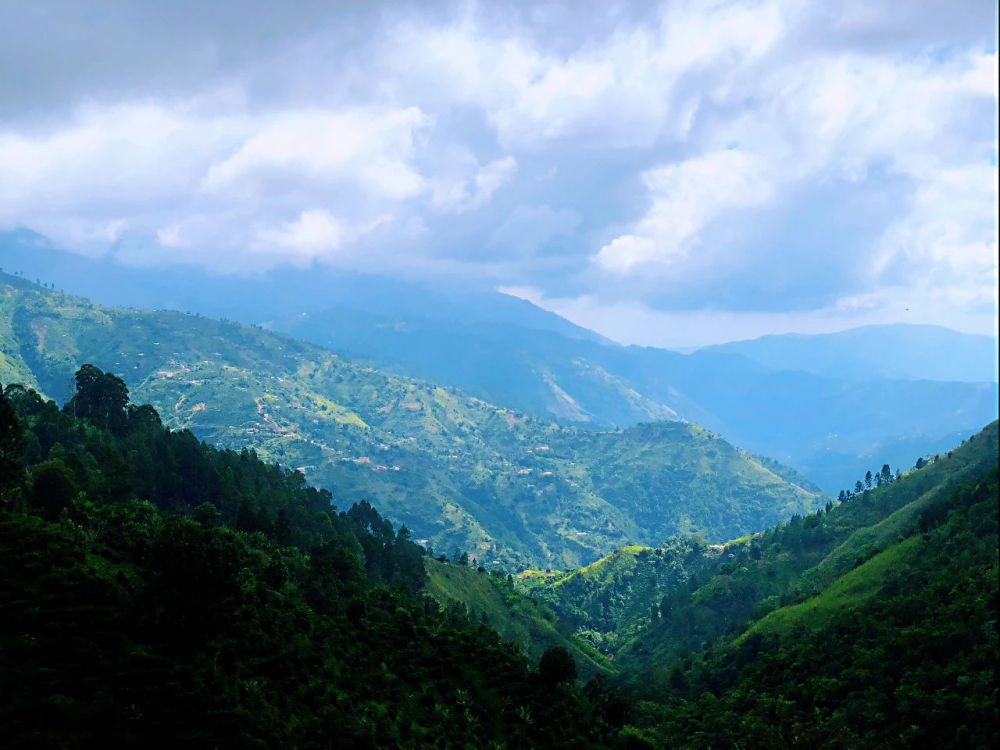
 The origin of Blue Mountain coffee boasts exceptionally favorable conditions, located in the Blue Mountains of northeastern Jamaica, surrounded by the Caribbean Sea, forming a unique island-type tropical rainforest climate. The area experiences abundant rainfall during the rainy season with excellent drainage, cool temperatures at high altitudes, and frequent light mist cover, creating a microclimate ideal for coffee growth. More importantly, the local volcanic soil is rich in minerals, enabling coffee trees to obtain ample nutrients during growth—even with minimal fertilization. Local farmers often intercrop coffee with banana trees, which provide shade and moisture retention, further enhancing coffee quality.
According to the strict regulations of the Jamaica Coffee Industry Board (CIB), only Arabica coffee grown at elevations between 910 meters and 1700 meters in specific regions can be called "Jamaican Blue Mountain coffee." The main producing areas include Saint Mary, Saint Thomas, Saint Andrew, and Portland. Coffee grown in other lower-elevation areas is classified as Jamaican High Mountain Coffee or Jamaican Prime Coffee, which also has good quality but cannot bear the Blue Mountain name.
The variety used in Jamaican Blue Mountain coffee is the ancient Typica, one of the earliest discovered and most historically significant coffee varieties. Most modern Arabica varieties are derived from Typica and Bourbon. Although Typica has gradually been replaced by other high-yield varieties due to its low productivity and weaker disease resistance, the Typica in the Blue Mountains has developed strong adaptability over time, particularly with superior resistance to coffee berry disease compared to other varieties. This is one of the key reasons why Blue Mountain coffee can present such refined, clean, and balanced flavors.
The preservation of such pure flavors in Blue Mountain coffee is largely thanks to its traditional washed processing. During washing, coffee cherries undergo strict selection to remove unripe or overripe fruits, significantly reducing defect rates. After harvesting, the coffee cherries first have their skins and pulp removed by machine, then are placed in fermentation tanks for about 24 hours to break down residual mucilage. After fermentation, the beans are moved to clean water pools and repeatedly washed to remove the mucilage through friction between the water flow and the beans until the surface becomes smooth and clean. Finally, the parchment beans are dried in shaded areas for two to three weeks, with moisture content controlled between 12% and 14%. This processing method results in softer acidity and purer, less muddled aromas in Blue Mountain coffee. While there are also small experimental batches processed with natural drying methods, washing remains the classic representation of Blue Mountain flavor.
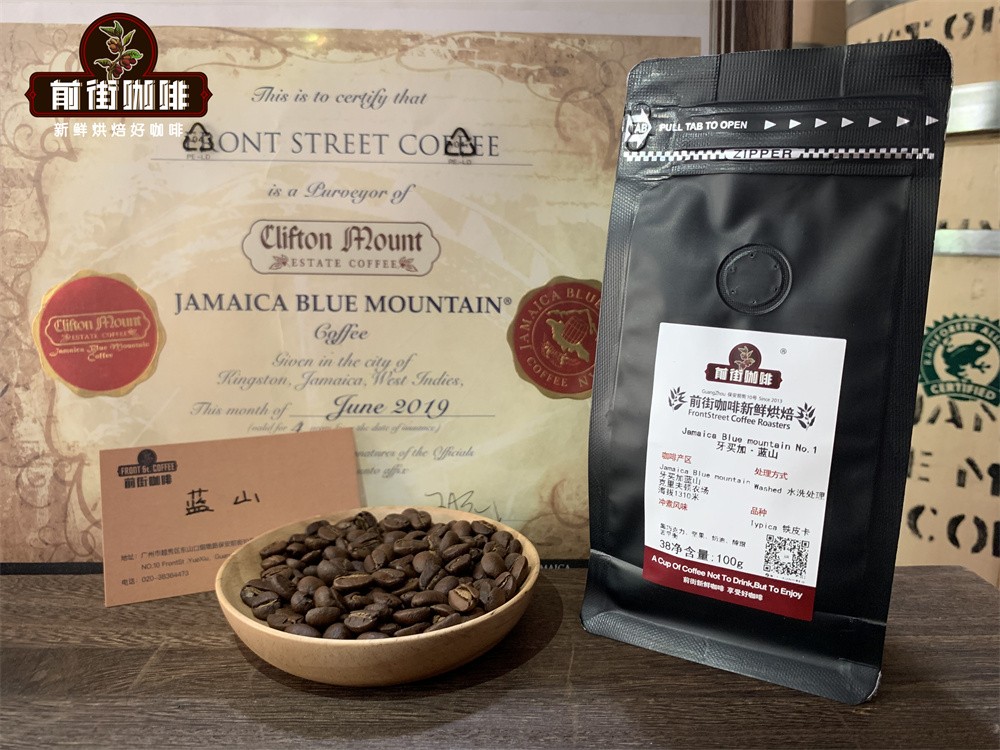
Jamaican Blue Mountain coffee is divided into four grades based on bean size and appearance: the highest-grade Blue Mountain No.1 (17–18 mesh or larger), followed by Blue Mountain No.2 (16 mesh), Blue Mountain No.3 (15–16 mesh), and the smaller-sized peaberry, also known as PB. Among them, Blue Mountain No.1 is regarded as the representative of top-tier quality and is the most sought-after grade in the market. It’s important to note that the Jamaican government enforces extremely strict quality control over Blue Mountain coffee—all green beans must be cupped and approved by CIB-certified tasters before export to ensure the optimal balance of acidity, sweetness, bitterness, body, and aroma before they can be labeled as Blue Mountain. Qualified green beans are transported in handcrafted wooden barrels, which help maintain stable moisture content and aroma, offering better protection for the beans compared to the commonly used jute sacks for regular coffee.
Blue Mountain No.1 coffee beans roasted to a medium-dark level can fully showcase their distinctive chocolate, nut, and toffee aromas, while retaining moderate acidity and sweetness, resulting in an overall balanced and delicate flavor. For pour-over brewing, it’s recommended to use water at approximately 87–88°C to avoid excessive caramelized compounds released by medium-dark roasts, which could lead to off-flavors. In terms of grind size, a medium-coarse grind is advised—for example, EK43s grind setting 10.5 or a Chinese standard sieve passing rate of about 75%—to control extraction and prevent over-extraction that could result in overly bitter tastes.
Practical pour-over recommendations are as follows: Use a Kono filter, water temperature around 88°C, a coffee-to-water ratio of 1:15, 15 grams of coffee, and a grind size of 75% passing through a standard 20-mesh sieve. First, pour about 30 grams of water for a 30-second bloom to activate the coffee’s aroma. Then proceed with the second pour up to 125 grams, maintaining even and steady circular pouring. When the water level drops to half, perform the final pour up to 225 grams, with a total brew time of approximately 2 minutes. This process fully highlights the delicate layers of Blue Mountain coffee’s flavors.
The final brewed Blue Mountain No.1 coffee delivers a pronounced aroma of dark chocolate, roasted nuts, and toffee upon entry, paired with a soft caramel sweetness. Its acidity is delicate yet not overpowering, resulting in a smooth and rich overall mouthfeel. As the temperature cools, the aromas become even clearer, and the layers gradually unfold, offering a rich and diverse tasting experience for the drinker.
The above content is compiled by CoffeeHunters, a coffee news website.


