







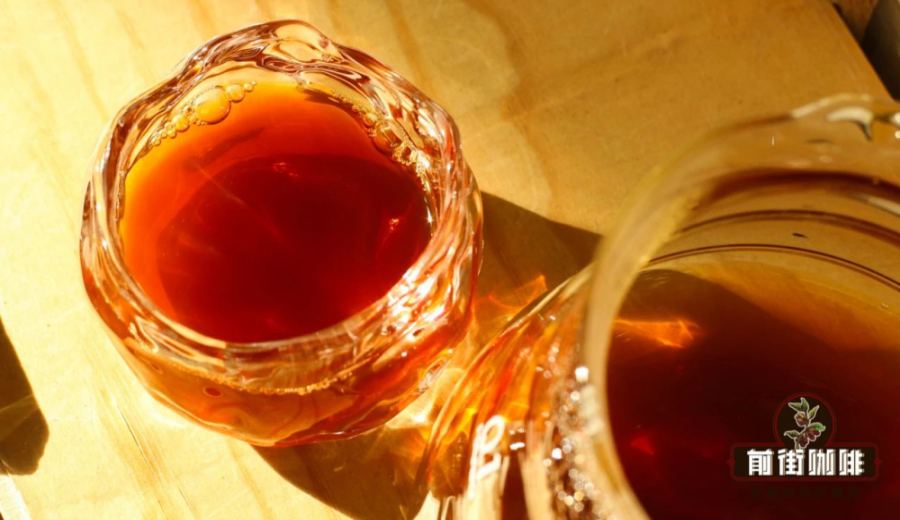
Introduction:This guide provides comprehensive step-by-step instructions for beginners in pour over coffee, covering the definition of specialty coffee, essential basic equipment selection, recommendations for high-value coffee beans from six major producing regions, as well as detailed three-stage brewing parameters and practical steps. With clear flavor descriptions and practical tips, it helps you easily brew coffee with rich layers while avoiding common mistakes.
When first approaching pour over coffee, many find themselves overwhelmed by the variety of beans and equipment. This article starts with the core concepts of specialty coffee, systematically introduces the five essential basic tools for beginners, then categorizes by the three major regions—Africa, the Americas, and Asia—to highlight six high-value beans with regional characteristics, and finally offers a proven three-stage brewing process to help you quickly master the core techniques.
The essence of specialty coffee lies in faithfully presenting the terroir characteristics of the coffee bean’s origin. The International Specialty Coffee Association (SCA) defines it as “coffee grown under superior natural conditions with unique regional aromas.” Such coffees typically exhibit distinct fruit acidity, floral notes, or nutty tones, standing in sharp contrast to commercial beans that emphasize blended flavors. Pour over is the extraction method that best highlights these subtle differences.
For beginners, there’s no need to purchase complex equipment at first. Just prepare five basic tools: a filter cone, filter paper, a digital scale, a pour over kettle, and a thermometer to get started. It’s recommended to use freshly roasted high-quality beans (ideally within 5–14 days post-roast).Grind size should be controlled to that of fine sugar (approximately 80% passing through a #20 mesh sieve).Also, be mindful that water hardness should not be too high.

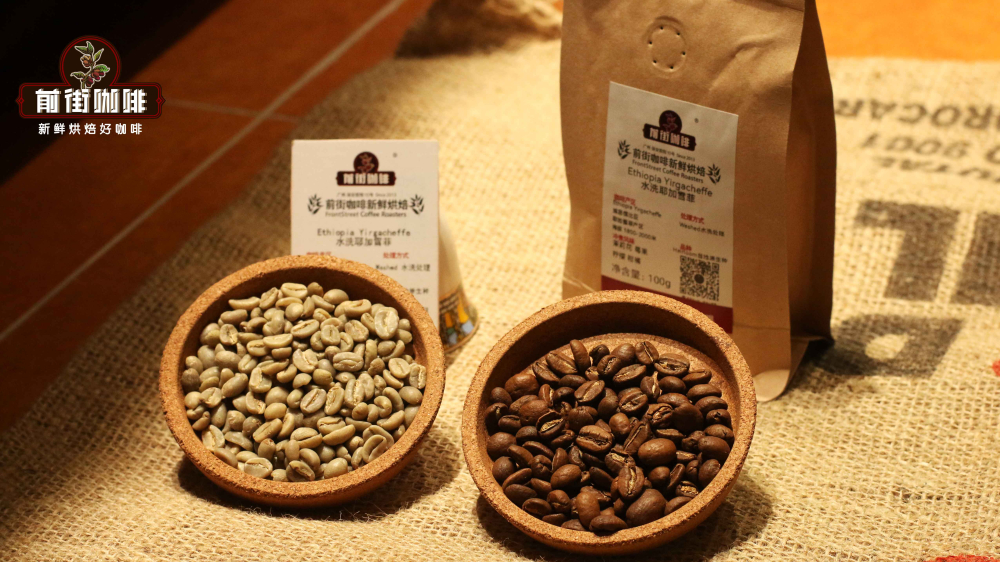
【Representative of the African Region】Ethiopian Washed Yirgacheffe: Grown at an altitude of 1900–2100 meters on high plateaus, the significant diurnal temperature variation allows the fruit to ripen slowly, accumulating rich aromatic compounds. Processed using improved washed methods, it presents clean lemon and citrus acidity, accompanied by white floral notes and a green tea aftertaste.Recommended roast level: Medium-light.Well suited to showcasing bright fruity acidity.
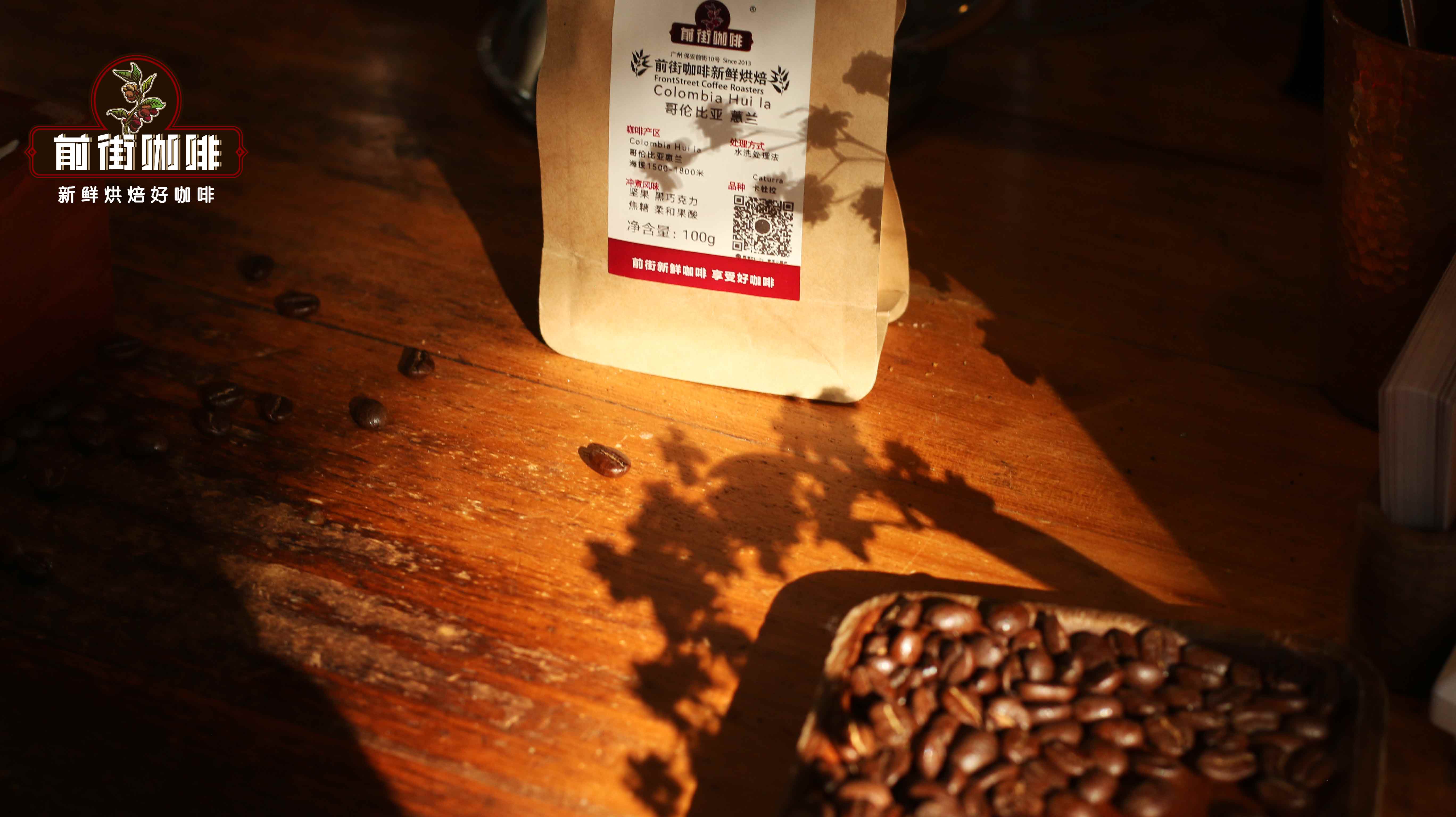
【Selection from the American Region】Colombian Huila Coffee Beans: Local coffee farmers employ shade-grown methods, with protection from tall trees such as banana trees and care under shade structures, promoting slow maturation of the coffee cherries. These washed Huila beans offer a balanced combination of black chocolate, nuts, and creamy sugar.A balanced mix of black chocolate, nuts, and cream sugar.With gentle acidity and a caramel finish,the optimal brewing water temperature is recommended to be 90–92°C..
【Classic from South America】Brazil Cerrado Coffee Beans: As the world’s largest coffee-producing country, Brazilian beans are known for their low acidity and full body. The beans from this region are plump, and when medium-roasted, they present mild notes of roasted peanuts, nuts, and caramel, making them particularly suitable as practice beans for pour over beginners.During brewing, the blooming time can be appropriately extended to 40 secondsto enhance aroma release.
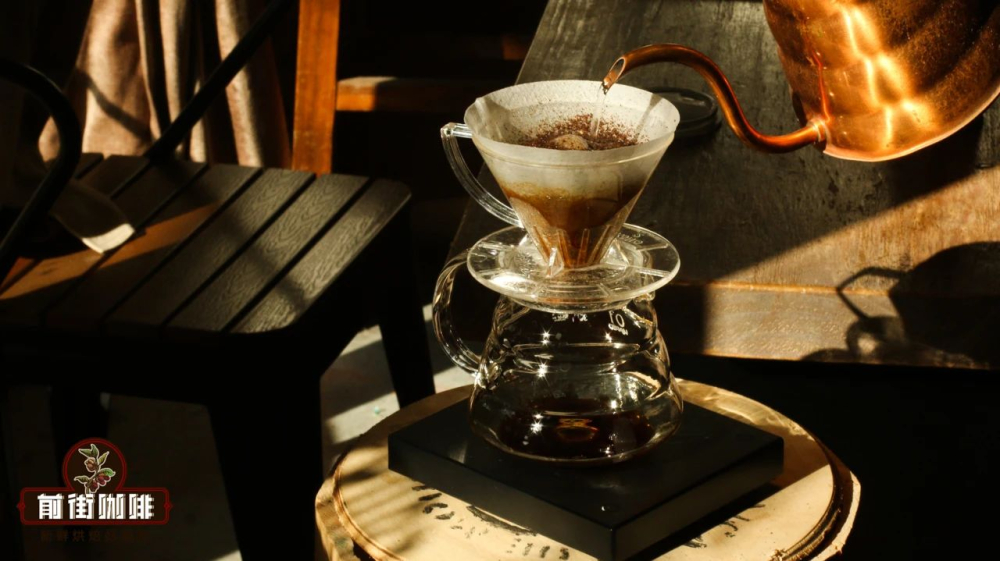
【Gem of Central America】Costa Rica Tarrazú Coffee Beans: From a micro-lot region in the Central Valley, strictly following organic farming practices. The traditional washed process preserves clean flavors, and the brewed cup exhibits a lively balance of sweet orange, berries, and citrus acidity.A vibrant balance of sweet orange, berries, and citrus acidity.It is recommended to use a V60 filter cone with a medium-coarse grind, controlling the water flow rate at 15–20 milliliters per second.
【Representative of Asia】China Yunnan Small-Bean Coffee: Tailored to the region’s rainy climate, washed batches are selected and medium-roasted to balance regional off-flavors. The flavor profile features a nutty base layered with brown sugar and chocolate.A nutty base with layers of brown sugar and chocolate.Suited for drinkers who prefer a fuller-bodied taste,but be careful to avoid over-extraction, which can lead to bitterness..
【Characteristics of Indonesia】Mandheling Coffee Beans: Using the unique wet-hulled processing method, the hot and humid environment accelerates the drying process, forming signature herbal and spicy notes. Dark roasting highlights woody tones, but for pour over, a medium-dark roast is recommended.Use a segmented extraction method to emphasize woody aromas and a full body..
Key Pour Over Brewing Parameters:
• Coffee-to-water ratio: 1:15 to 1:16 (15 grams of coffee to 225–240 milliliters of water)
• Water temperature: 90–94°C (use higher temperatures for light roasts, slightly lower for dark roasts)
• Three-stage process:
1. Pre-infusion stage: Pour 30 grams of water for a 30-second bloom (covering all coffee grounds)
2. Main extraction: Pour 120 grams + 90 grams of water in two stages, for a total of 240 grams
3. Time control: Total brew time of 2 minutes 10 seconds ± 10 seconds
Advanced Tips: Use a thermometer to monitor water temperature changes. Ensure the filter paper fully adheres to the filter cone to avoid side leakage. It’s best to use the ground coffee within 15 minutes of grinding, as fresh coffee grounds will naturally expand into a “volcanic cone” shape. Observe the flow rate—if dripping is too fast, adjust to a finer grind; if too slow, check if the filter cone’s vent holes are clogged.
The above content is compiled by CoffeeHunters, a coffee news website.


