







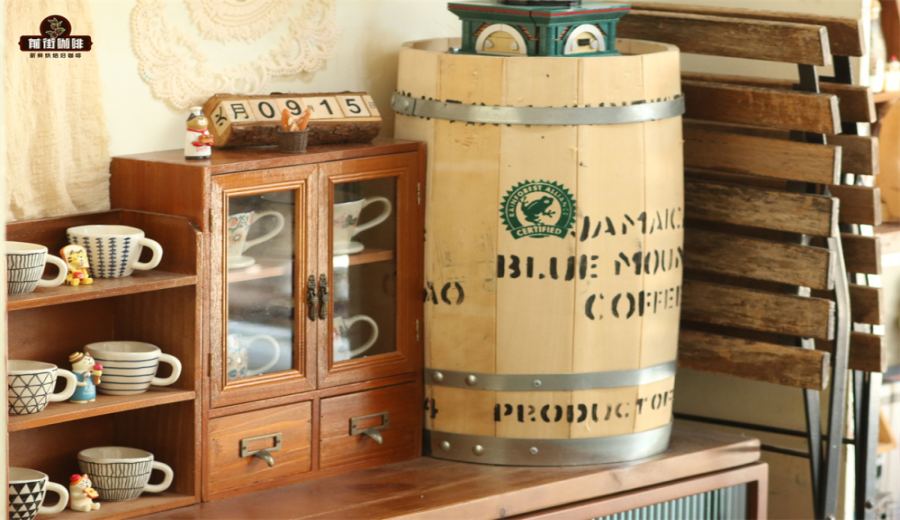
Introduction:An in-depth exploration of the variety characteristics, growing conditions, and flavor profiles of Arabica coffee, along with visits to nine renowned producing regions — Brazil, Colombia, Panama, Guatemala, Costa Rica, Jamaica, Ethiopia, Kenya, and Indonesia — to understand their unique altitudes, processing methods, and grading systems, establishing a comprehensive understanding from variety to origin.
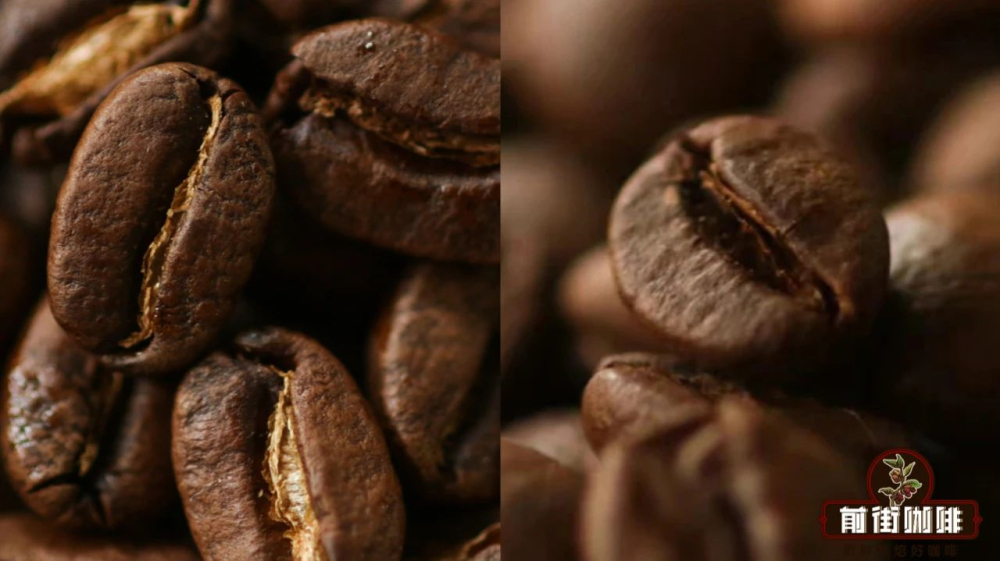
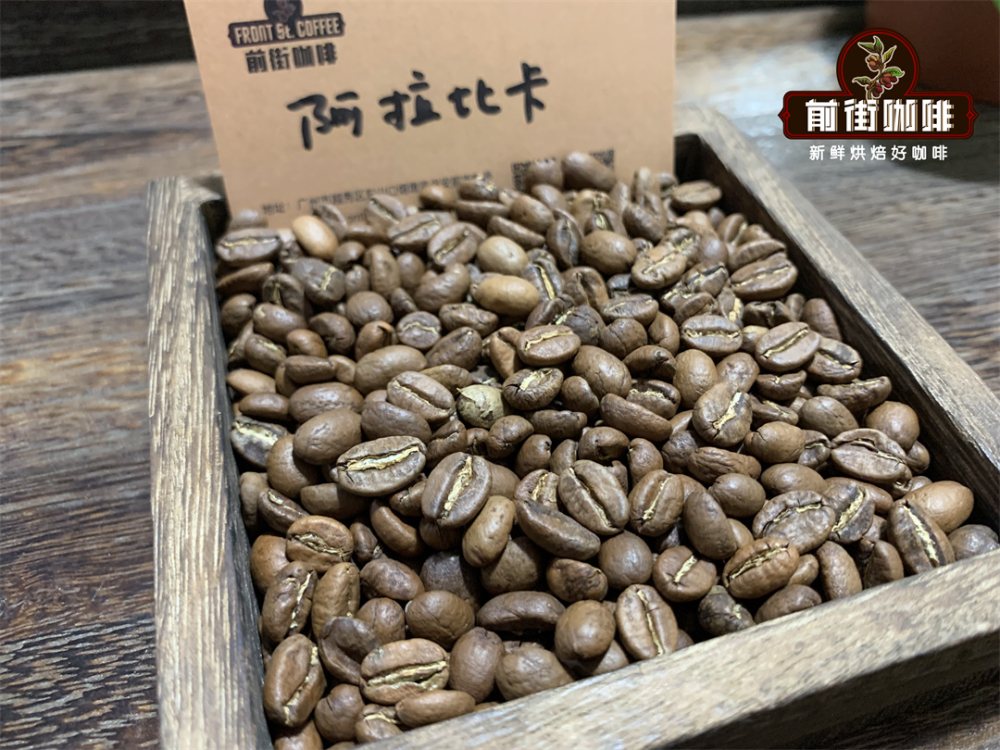
In the world of specialty coffee, Arabica is undoubtedly the core variety, accounting for 70% to 75% of global coffee production and esteemed for its delicate flavors and aromas. Compared to Robusta, Arabica is more sensitive to pests and diseases, and is therefore mostly grown at high altitudes above 1,500 meters, resulting in its balanced sweet and acidic profile and rich aromatic complexity. Its beans typically appear dark, narrow, and elongated — a hallmark of high-quality highland-grown varieties.
The advantages of Arabica are not only reflected in its flavor complexity but also in its central position within specialty coffee culture. From traditional classics such as Hawaiian Kona and Jamaican Blue Mountain, to emerging stars like Ethiopia’s Geisha, all belong to this variety, showcasing a diverse range of flavor potential. Typica, as the oldest branch of Arabica, possesses excellent genetics and acidity expression, while Geisha captivates countless coffee lovers with its fresh floral notes and gentle acidity.
However, Arabica also has its limitations. Due to its lower disease resistance, it relies on high altitudes and meticulous management, leading to the development of various disease-resistant or flavor-enhanced sub-varieties such as Bourbon, Caturra, and Catuai. These variants are cultivated according to local conditions in different regions, resulting in diverse flavor expressions. When tasting, it is recommended to pay attention to roast level and brewing parameters to fully bring out their unique characteristics.
Next, we will visit nine globally renowned producing regions to learn about the current state of Arabica cultivation and processing practices in each area.
【Brazil】As the world’s largest coffee-producing country, its plantations are concentrated in the states of Minas Gerais, São Paulo, and Paraná. Due to its high-altitude plateau location, Brazilian coffee generally features low acidity, sweetness, and chocolatey tones, with a smooth mouthfeel and comfortable aftertaste.Bourbon variety from Fazenda Rainhais one representative, showcasing nutty and chocolate flavors paired with caramel sweetness in the mid-palate. Locally, sun-drying or honey processing is commonly used, with grading based on bean size and defect rate, where No.2 is the highest grade.
【Colombia】is known for its small farms in the foothills of the Andes, with two harvest seasons per year ensuring a stable supply. Its main varieties include Caturra, Castillo, and Colombia Typica,and washed processing imparts citrus, nutty, and dark cocoa notes, with refined and layered acidity. Grading is based on bean size, with S17 and above classified as Supremo, and S14–S16 as Excelso.
【Panama】is one of the focal points of global specialty coffee, famous for well-known estates such as Hacienda Esmeralda, Debra, and Ninety Plus. The region is most noted for its Geisha variety, especially products from Hacienda Esmeralda.The Geisha variety exhibits pronounced floral notes, tea-like body, and citrus acidity, paired with washed or natural processing to deliver unique flavor layers. The producing regions are divided into two main grades based on altitude: Strictly Hard Bean (SHB) and Hard Bean (HB).
【Guatemala】boasts multiple micro-regions rich in volcanic ash, among which the Antigua region benefits from fertile soil surrounded by three volcanoes.The Fleur de Café beans, processed via washed method, showcase delicate floral notes and citrus acidity, along with a honey-like finish, high cleanliness, and rich layers. Regions are graded by altitude into SHB (above 1,300 meters), HB (1,200–1,300 meters), and EPW (900–1,050 meters).
【Costa Rica】is known for its strict ban on cultivating Robusta and innovative honey processing methods, with the harvest season concentrated from November to March of the following year.Honey processing retains the fruit mucilage, giving the coffee a clean base and sweetness, forming a distinctive style with a nutty foundation, bright acidity, and pronounced sweetness. Grading is divided into three altitude-based levels: SHB, GHB, and HB.
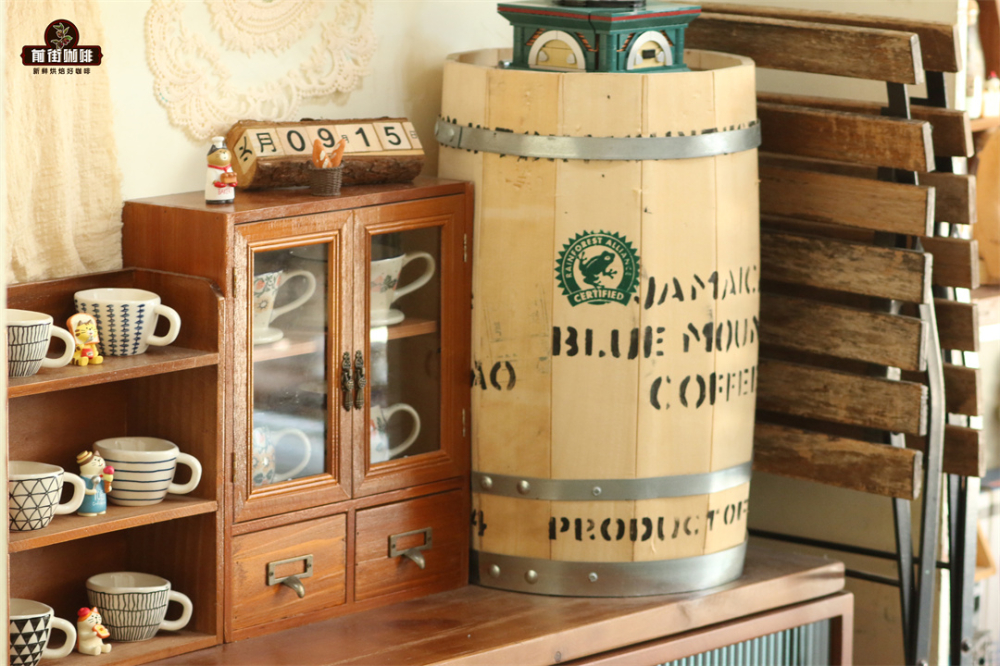
【Jamaica】’s Blue Mountain coffee enjoys a long-standing reputation; although sun-dried options have emerged in recent years, washed Typica remains the classic.Washed Blue Mountain beans are characterized by citrus acidity, nuttiness, and dark cocoa, with a full body and long-lasting aftertaste. Grading is based on bean size and defect count, ranging from No.1 to No.3, with an additional system based on altitude.
【Ethiopia】, as the birthplace of coffee, boasts the world’s richest coffee genetic resources, with varieties often collectively referred to as “heirloom.” The washed processing method of the Yirgacheffe region makes it stand out,delivering citrus, lemon acidity, and floral notes, with a tea-like finish. The country also primarily uses natural processing, but the proportion of washed coffee is gradually increasing. Export coffee is categorized into Grade 1 to Grade 8 based on defect count, with only Grades 1 to 5 eligible for export.
【Kenya】is famed for its two major varieties, SL28 and SL34, which exhibit intense berry-like acidity and clear layers, particularly suitable for making iced coffee.Its washed processing is refined, with high acidity and bold fruit flavors. Grading is based on bean size, with AA (S18 and above), AB (S15–S17), and Peaberry (PB) as the classifications.
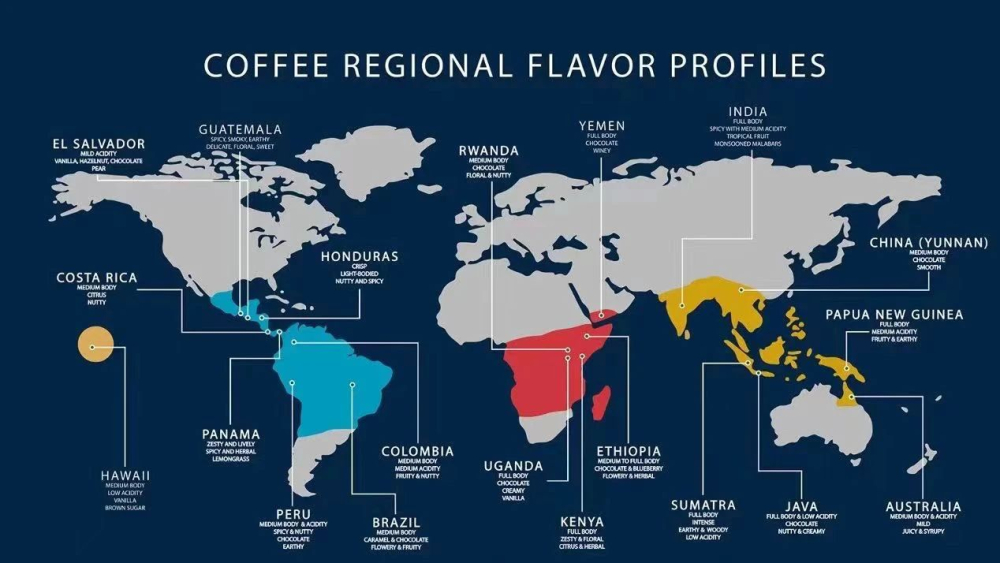
【Indonesia】’s primary producing region is Sumatra, where, due to coffee leaf rust, disease-resistant Robusta varieties such as Canephora are predominantly cultivated, though some Arabica, particularly Sumatra Mandheling, is also preserved.Indonesia employs the semi-washed method, yielding flavors with herbal, spicy, and earthy notes, and a thick, bold mouthfeel. Golden Mandheling, selected multiple times by hand, has a low defect rate and a smoother, cleaner taste. Grading is based on bean size and defect count, divided into large and small beans and five defect levels.
The above content is compiled by CoffeeHunters, a coffee news website.


