







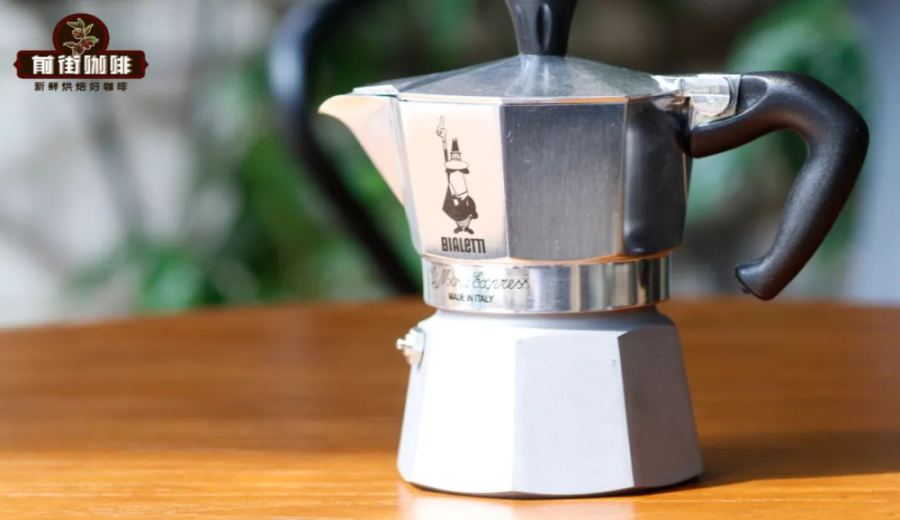
Introduction:Want to brew rich and layered coffee with a Moka Pot? This comprehensive guide will walk you through the correct operation steps, practical brewing tips, and a deep dive into the key differences in crema performance compared to professional espresso machines. Whether you're a beginner or have been using one for a while, you'll learn how to adjust parameters based on the roast level of your beans—ensuring each cup delivers the flavor profile you desire, from bold and smoky to bright and fruity, all brewed consistently.
Since its inception in 1933, the Moka Pot has become an essential kitchen tool for many coffee enthusiasts due to its clever design and intense extraction capability. This pressurized coffee maker, originating from Italy, remains widely popular thanks to its simple operation and quick brewing process. However, whether it can truly produce a crema as delicate as that from an espresso machine, and how to choose the right coffee beans for different flavor preferences, remain common concerns among users. This article thoroughly breaks down the usage process and key techniques of the Moka Pot, offers an in-depth comparison with professional machines, and provides practical bean variety suggestions to help you brew satisfying coffee.
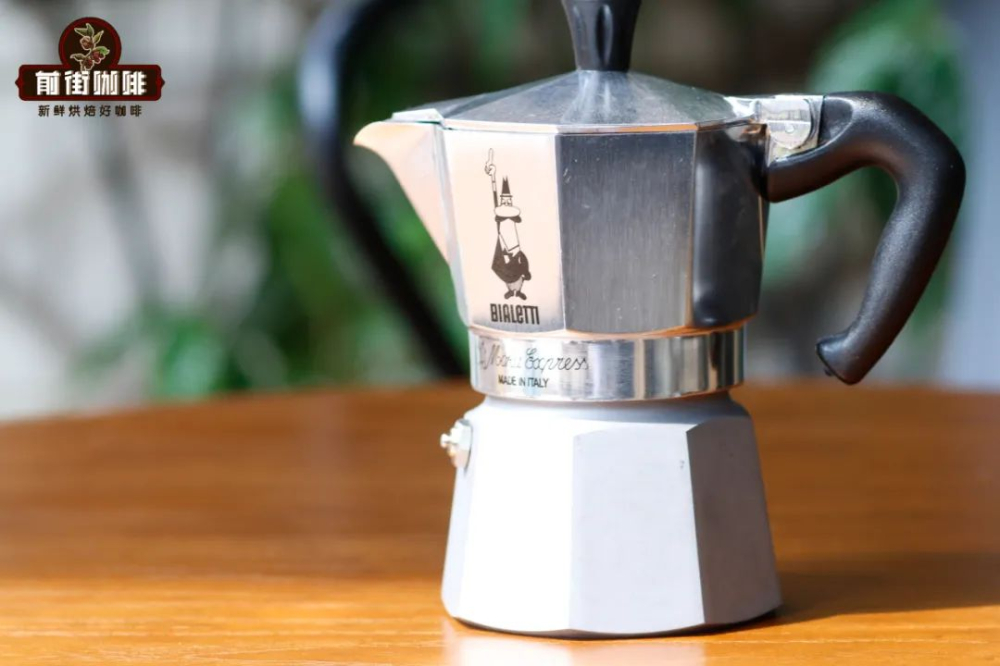
The Moka Pot, also known as the "Italian Moka Pot" or "Moka Pot", is a device that uses steam pressure generated by heating to extract coffee. Invented in 1933 by Italian engineer Alfonso Bialetti, its classic three-tiered structure—comprising a bottom water chamber, a middle filter basket, and an upper chamber that collects the brewed coffee—can produce a strong and body-rich coffee in a short time. Although it cannot generate the high-pressure extraction or fine crema produced by professional semi-automatic espresso machines, mastering the correct technique still allows the Moka Pot to deliver rich flavors and layers.
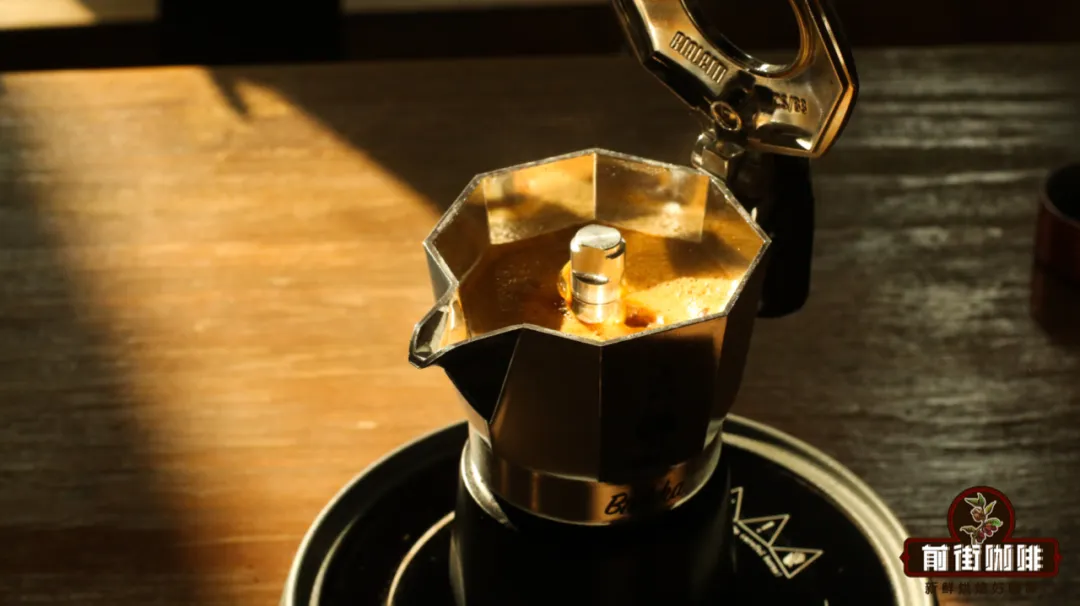
Many first-time Moka Pot users often wonder if it can produce latte art or rich crema like an espresso machine. In reality, the layer on the surface of Moka Pot coffee, often mistaken for crema, is primarily composed of tiny coffee particles and micro-bubbles—not the fine, dense crema formed under true high pressure. While this layer can still offer some smoothness and aroma, it falls short of the visual and textural refinement found in professional machines. Understanding this difference helps set realistic expectations for the Moka Pot’s performance and adjust your perception of coffee texture.

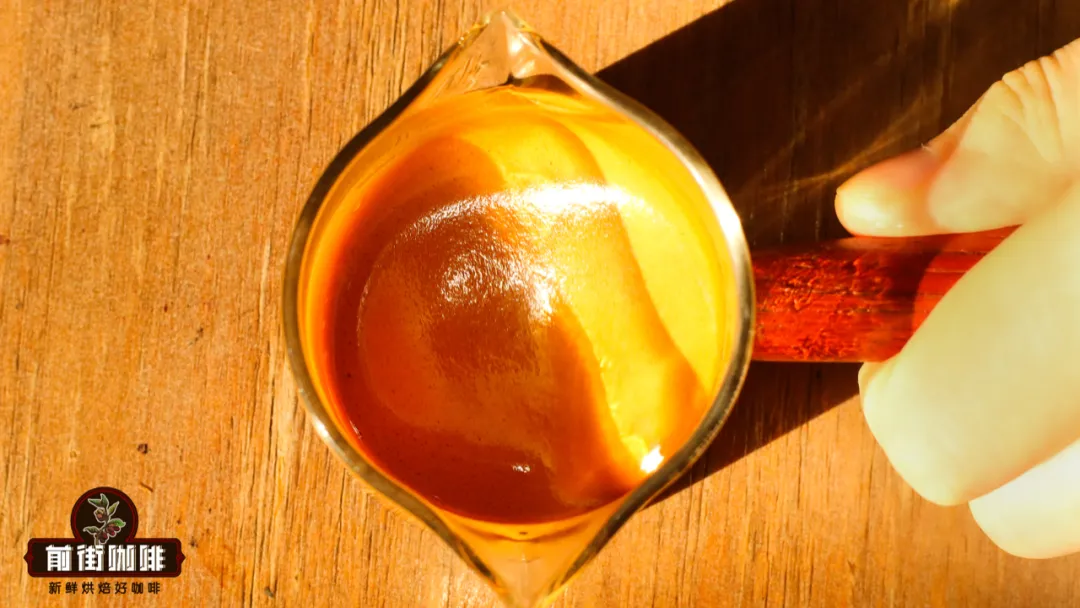
So, what are the fundamental differences between the Moka Pot and professional espresso machines when it comes to crema? The key lies in pressure and extraction methods. A typical Moka Pot operates at around 1 to 2 bar of pressure, whereas a professional espresso machine can reach over 9 bar. The high-pressure environment facilitates deeper extraction of oils and aromatic compounds from coffee grounds, resulting in that signature fine crema. In contrast, although the Moka Pot does extract some oils and aroma through pressurization, its output is more akin to a concentrated coffee liquid rather than a true espresso with a velvety crema. Therefore, if you're after a coffee that's latte-art-capable with ultra-smooth texture, a professional machine is the way to go; but if you value intense flavor, direct aroma, and ease of use, the Moka Pot is an excellent choice.
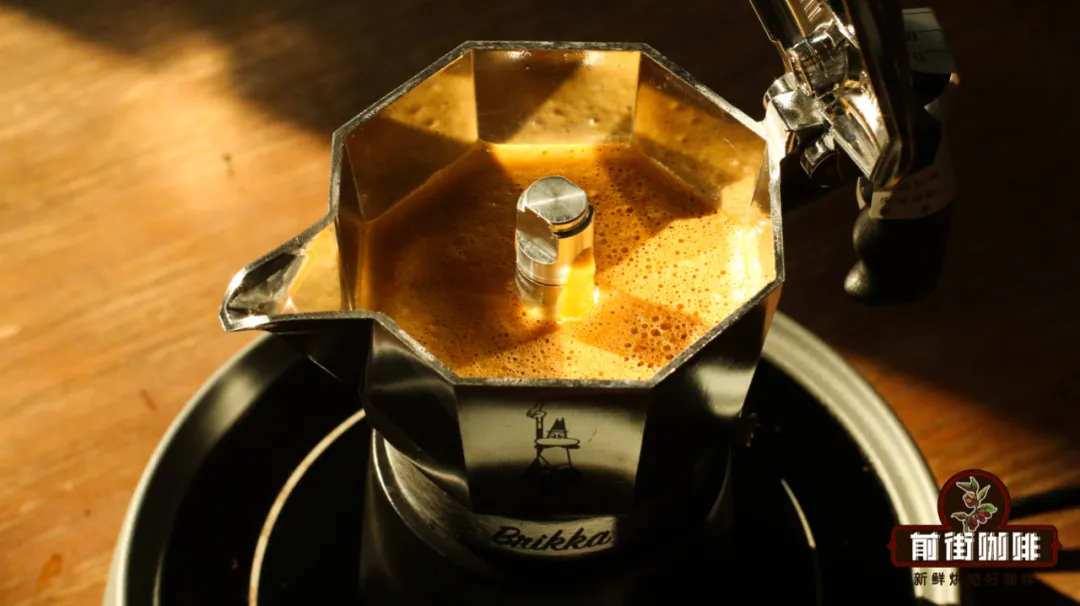
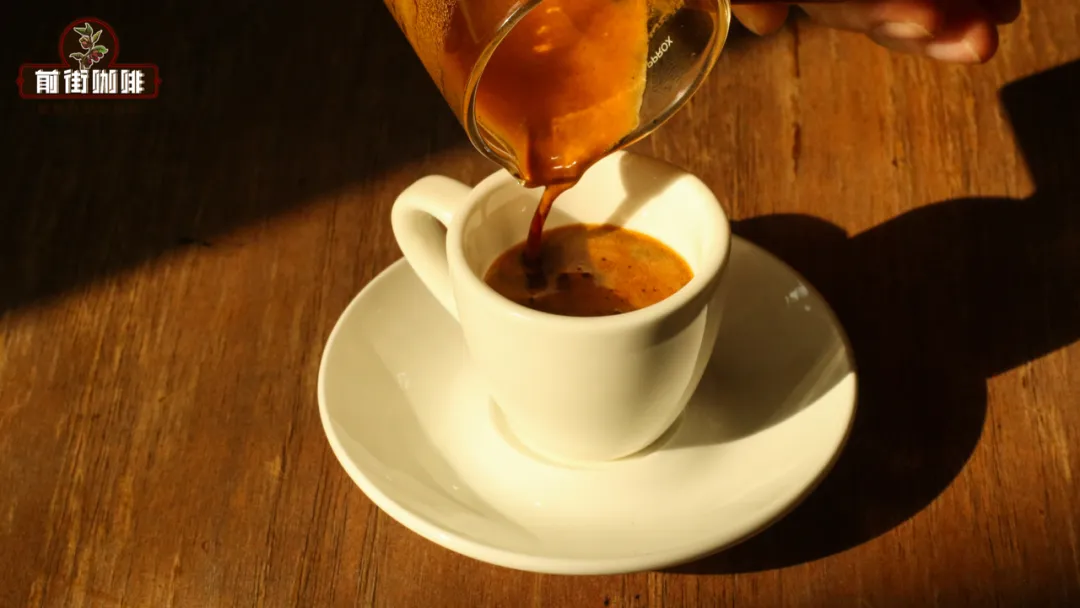
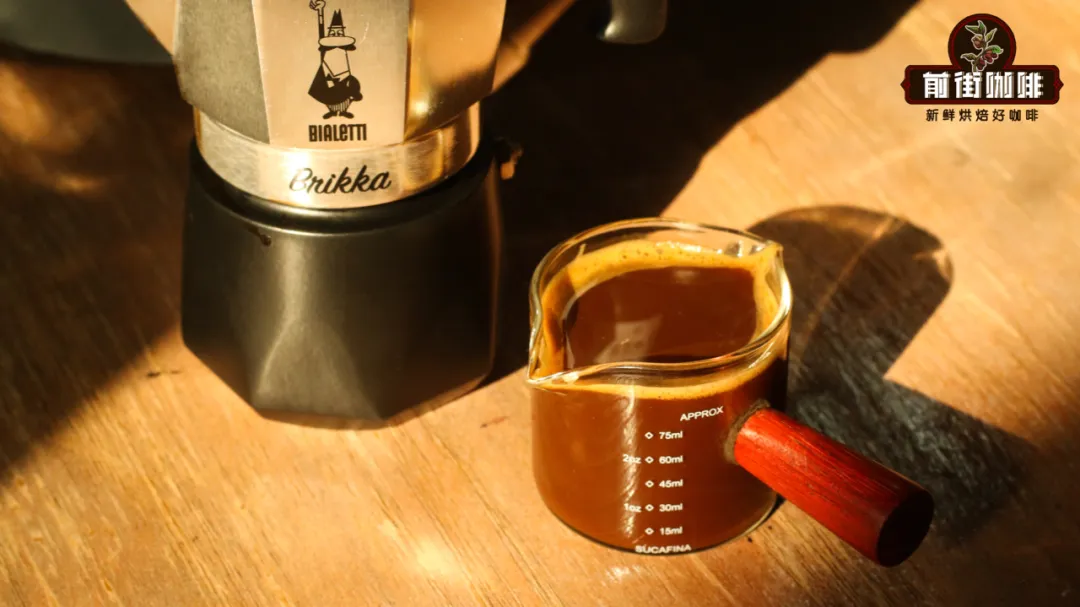
When it comes to selecting coffee beans, medium to dark roasts are generally recommended, as they complement the high-temperature, pressurized extraction of the Moka Pot. If you prefer a bold, caramel- and nut-forward cup, consider medium-dark roasted beans such as Indonesian Golden Mandheling, Brazilian Queen Estate, and Colombian Huila. These beans, when properly roasted, showcase a rich body and smooth finish, making them ideal for producing silky, layered flavors with a glossy oil sheen that adds to the drinking satisfaction.
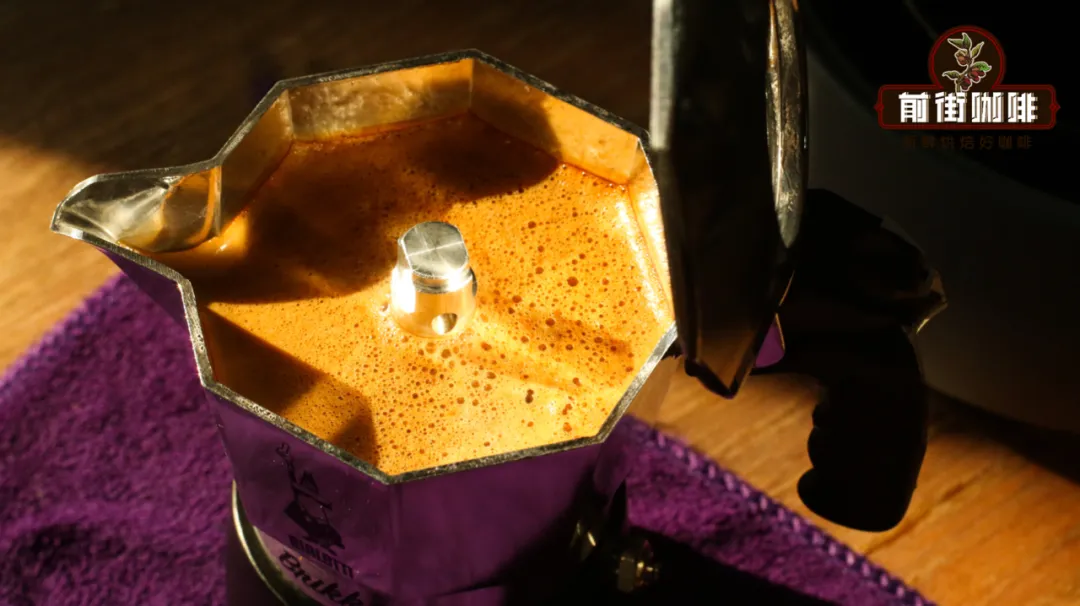
On the other hand, if you lean toward bright profiles with tropical fruit, berry, or jam-like aromas, medium-roasted beans are a better match. Try options like strawberry candy-flavored espresso beans, Colombian Gesha, or Colombian Ospina Supremo. At moderate roast levels, these beans retain more of their natural fruity sweetness and acidity, delivering a vibrant, juicy balance during Moka Pot extraction—perfect for those who enjoy refreshing, fruit-forward cups. By understanding these bean characteristics and fine-tuning grind size and water temperature to your taste, you can consistently brew your desired flavor profile with a Moka Pot.
The above content is compiled by CoffeeHunters, a coffee news website.


