







Introduction:Jamaica Blue Mountain coffee is renowned worldwide for its balanced, rich flavor and rarity, making it the dream bean for many coffee enthusiasts. This article delves into the growing environment, cultivation, and processing methods of Blue Mountain coffee, provides a detailed explanation of the official CIB grade classification standards, and helps you distinguish between genuine and imitation beans. It also offers practical pour-over brewing suggestions and tasting tips to help you fully grasp the essence of this premium coffee—from bean selection to brewing.
Jamaica Blue Mountain coffee has long been hailed as the finest in the coffee world, celebrated for its clean flavor, balanced acidity and sweetness, and long-lasting aftertaste. This article will explore the unique geography and climate of the Blue Mountains, examine the local cultivation and harvesting methods, and analyze its rigorous green bean processing procedures. We will also guide you through the market changes following Japan’s dominance in trade and the opening of the Chinese market. Furthermore, the article details the CIB (Coffee Industry Board of Jamaica)’s defined boundaries for the Blue Mountain region and the criteria for its four grades, along with practical tips for identifying authentic Blue Mountain coffee beans. Finally, drawing from real experience, we share pour-over recommendations and tasting insights for high-quality Blue Mountain beans to help you better appreciate the unique charm of this classic coffee.
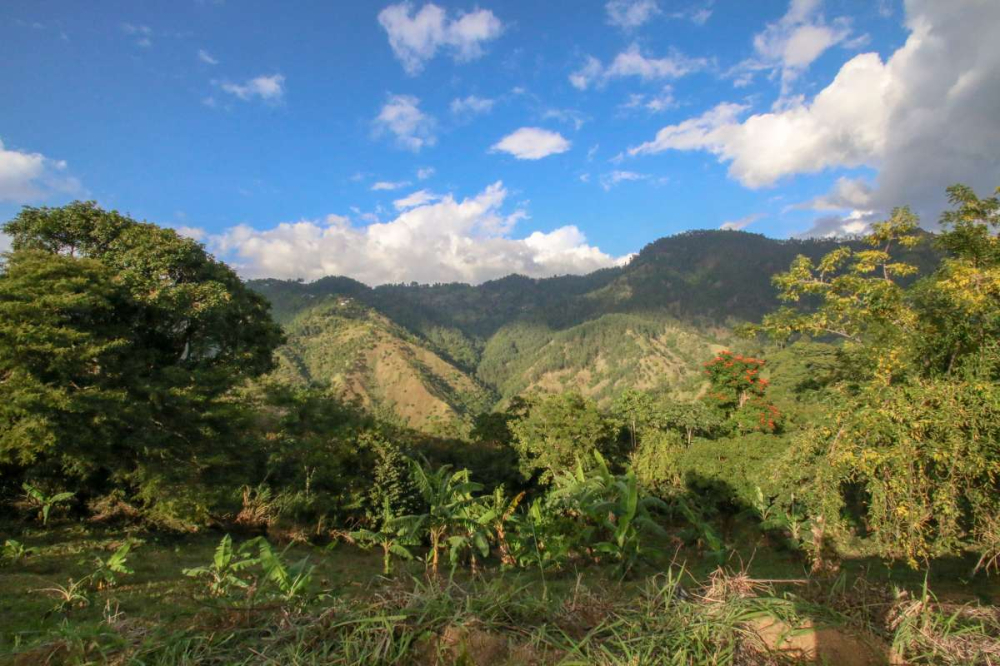
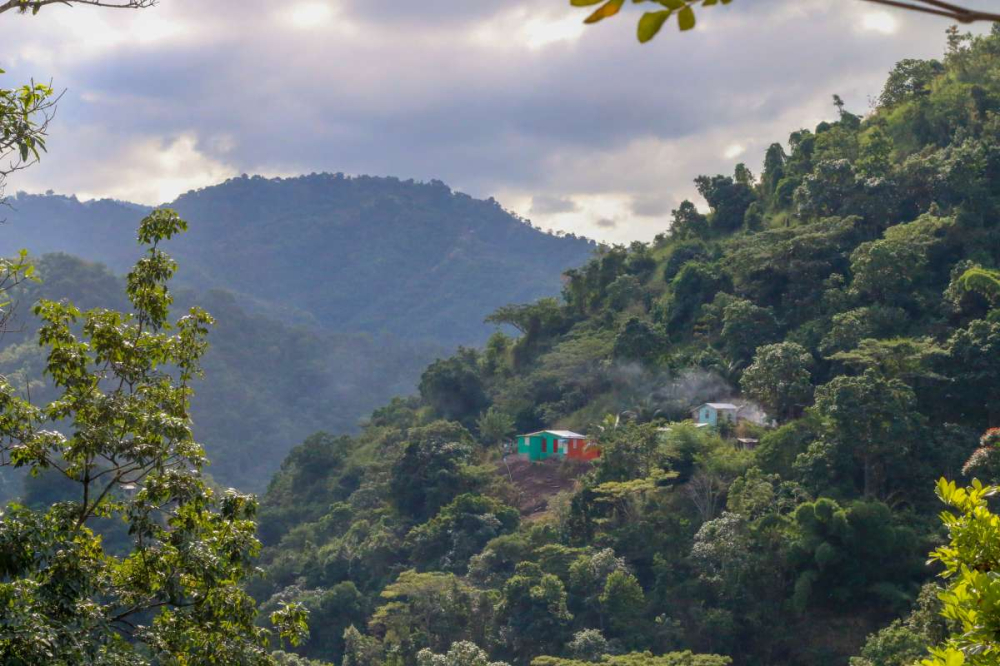
The Blue Mountain region boasts exceptionally favorable geographic and climatic conditions, which are key to the outstanding flavor of its coffee. The Blue Mountains are located in eastern Jamaica and surrounded by the Caribbean Sea. On clear days, sunlight reflecting off the sea causes the mountain peaks to shimmer under a blue hue—hence the name “Blue Mountains.” The main peak rises to an elevation of 2,256 meters, the highest point in the Caribbean. This area falls within a tropical high-altitude zone ideal for coffee cultivation, featuring fertile, mineral-rich volcanic soil and clean, unpolluted air.
The region has an average annual temperature of around 27°C and annual rainfall of up to 1,980 millimeters, with high humidity and frequent fog, providing an optimal environment for coffee trees. Terraced farming is commonly practiced here, with coffee trees often intercropped with bananas, avocados, and other species to help maintain ecological balance and microclimate stability. Notably, even the largest estates are considered small family-run farms by international standards, with many having been operated by the same family for over two hundred years. Generationally passed-down cultivation techniques are also a vital factor in the consistent quality of Blue Mountain coffee.
However, Blue Mountain coffee production faces numerous challenges, including hurricanes, rising labor costs, and steep terrain that hinders mechanization, resulting in limited production efficiency. Take Clifton Estate as an example—located on the foothills of the Blue Mountains’ subsidiary peak, Clifton Mountain, it has been cultivating coffee since the 18th century. Spanning just 20 hectares, it is one of the sources of renowned Blue Mountain coffee. Due to reliance on manual harvesting and processing, Blue Mountain coffee typically exhibits a rich yet not overly bitter profile, with soft, layered acidity—ideal for those who prefer balanced flavors. Yet, due to its scarce production, prices remain high, and the market often sees “Blue Mountain-style” coffee blended with other similarly flavored beans.
The high quality of Blue Mountain coffee is inseparable from its stringent production and processing procedures. Coffee cherries must be handpicked at the precise moment of ripeness by skilled female workers; overripe or unripe cherries can negatively affect the final flavor. After harvesting, the cherries must be depulped the same day, followed by 12 to 18 hours of fermentation, then thorough washing and multiple screenings. Subsequently, the beans are sun-dried on cement patios or thick mats until their moisture content drops to between 12% and 14%—a step crucial for preserving flavor and preventing mold. Finally, the beans are stored in dedicated warehouses, awaiting the right time for roasting. With the rise of the specialty coffee market, Jamaica has gradually relaxed restrictions on green bean exports, allowing more coffee lovers to enjoy the original flavor of Blue Mountain coffee.
The international market landscape of Blue Mountain coffee has historical roots. For a long time, Japan was the largest buyer of Blue Mountain coffee. Starting in 1992, Japan purchased the vast majority of that year’s exports—about 90%, including 688 tons—while the United States and the United Kingdom received only 75 tons and 59 tons, respectively. After the 2008 financial crisis, Jamaica sought more diversified markets. In 2010, it signed a China general agency agreement with the Hangzhou Coffee & Western Food Association, and in 2011, the first shipment of Blue Mountain coffee beans arrived at Ningbo Port, gradually entering the Chinese market.
Not all coffee grown in the Blue Mountains can be called “Blue Mountain coffee.” According to the Jamaica Coffee Industry Board (CIB), only coffee beans grown within the core Blue Mountain area, at elevations above 910 meters (approximately 3,000 feet), across 6,000 hectares, can be rightfully termed Blue Mountain coffee beans.
Blue Mountain coffee beans are classified into four grades based on bean size and processing characteristics: No. 1, No. 2, No. 3, and PB. Grades No. 1 to No. 3 are categorized by the size of the green beans, with No. 1 being the largest, featuring beans sized between 17 and 18 mesh, and representing the highest quality. No. 2 beans are around 16 mesh, and No. 3 beans are about 15 mesh. The Blue Mountain coffee commonly referred to in the market usually means No. 1 Blue Mountain beans. PB (Peaberry), a special bean shape also known as round bean, has a lower proportion, typically accounting for less than 5% of total production. Because of its round shape and often concentrated double flavor compounds, it can sometimes even be sold at the price of No. 1 grade.
To identify genuine Blue Mountain coffee beans, consider the following aspects:
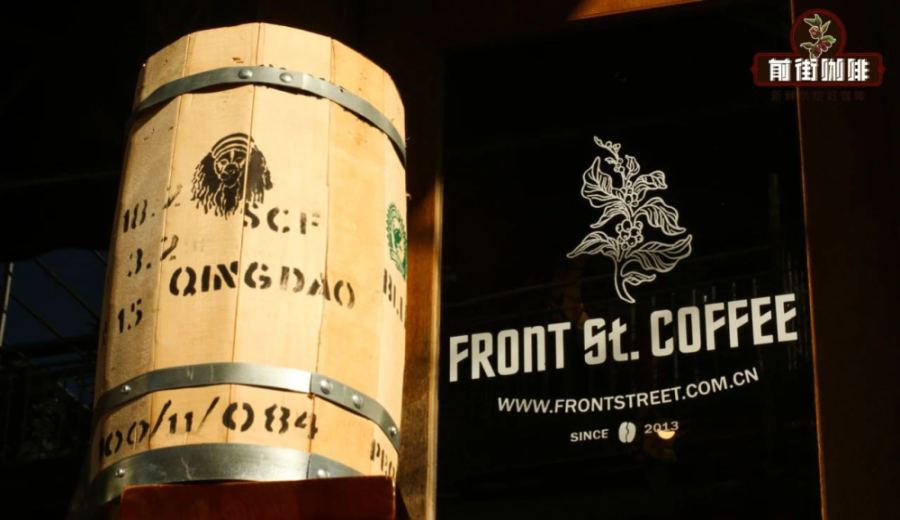
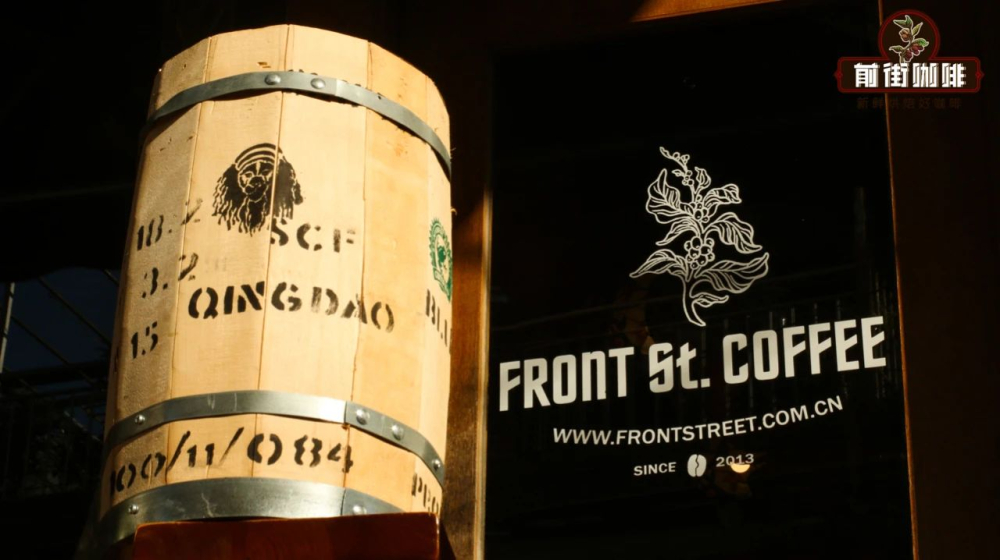
1. Packaging Form: Authentic Blue Mountain coffee is always packaged in wooden barrels, with common capacities being 15 kg, 30 kg, and 70 kg. Although the appearance of barrels may vary slightly by year or batch, the basic structure and materials remain consistent.
2. Certificate Verification: The Jamaica Coffee Board provides official certificates for all exported Blue Mountain coffee, mainly divided into three types: quality certificates, authorized sales certificates from producers, and certificates of origin. Exporters must be one of the four government-approved processing plants and sixteen exporters. It is recommended to request to see the relevant documentation when purchasing.
3. Bean Appearance Observation: Genuine Blue Mountain green beans have an extremely low defect rate, with uniformly sized, slender and plump shapes, and a light green color. Roasted beans appear dark brown, with consistent coloration and no obvious impurities or color variations.
Finally, regarding the brewing method for Blue Mountain coffee, given its delicate and balanced flavor profile, pour-over is one of the best methods to highlight its characteristics. A medium-light roast is recommended, with a grind size of about medium-fine (e.g., 70% passing through a 20-mesh sieve). Water temperature should be controlled between 90–92°C, using a pulsed pouring technique—for example, with 30 grams of coffee, use a 1:15 coffee-to-water ratio, pouring in two to three stages for a total of approximately 450 ml of hot water. The total extraction time is advised to be between 2 minutes 30 seconds and 3 minutes. This brewing approach can fully showcase the rich mouthfeel and fine acidity-sweetness balance of Blue Mountain coffee, with a clean and lingering aftertaste.
Overall, Jamaica Blue Mountain coffee is not only a gift of geography and climate but also the result of meticulous cultivation and processing craftsmanship. Whether you’re a coffee novice or a seasoned connoisseur, understanding its backstory and tasting essentials will allow you to more deeply appreciate the unique value of this timeless coffee.
The above content is compiled by CoffeeHunters, a coffee news website.


