







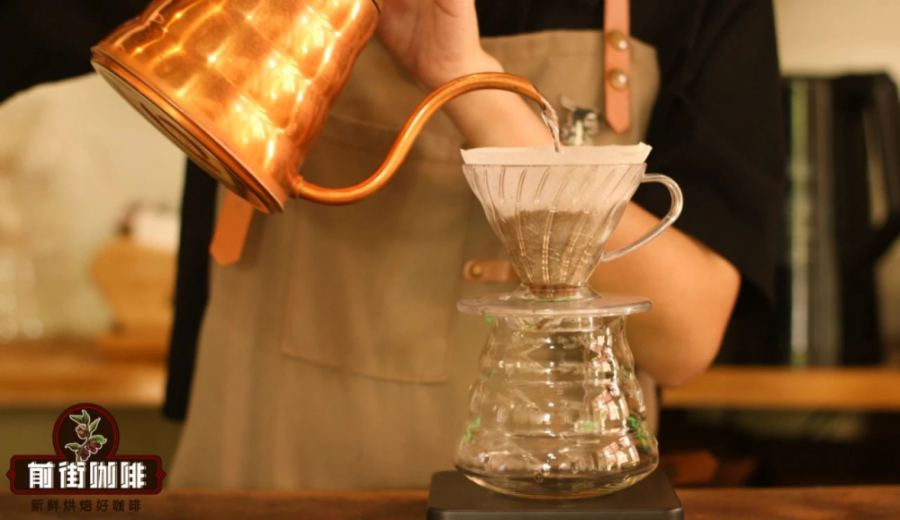
Introduction:A significant part of a coffee's flavor soul comes from the control during the roasting stage. From green beans to roasted beans, roasting not only changes the appearance and color but also directly influences the balance of acidity, sweetness, bitterness, and richness, as well as aroma expression. This article delves into the key stages of the roasting process, including the drying phase, yellowing phase, the identification of first and second cracks, as well as the suitable brewing methods and bean varieties for light, medium, and dark roasts. It further explains why judging solely by bean surface color can be misleading, and teaches you how to accurately gauge roast depth using Agtron values and Roaster % to elevate your brewing experience every time.
Transforming green coffee beans into the familiar dark roasted beans hinges on the roasting process. Whether you're a pour over enthusiast or an espresso aficionado, understanding how roast levels affect a coffee’s final expression is the first step toward enhancing flavor appreciation. The same coffee bean may showcase bright fruity acidity and floral notes in a light roast, while a dark roast brings out rich caramel and chocolate tones. Mastering roasting knowledge allows you to choose the most suitable roast degree and brewing method based on your personal taste preferences.
A Detailed Breakdown of Roasting Stages: Key Turning Points from Bean In to Bean Out
Coffee roasting is a series of intricate thermochemical reactions, primarily divided into three major stages: the drying phase, the yellowing phase, and the flavor development phase. Each stage has a profound impact on the final flavor profile of the coffee.
[Drying Phase]
When green beans first enter the roaster, they contain approximately 8% to 14% moisture. At this point, the roaster temperature may temporarily drop due to the beans absorbing heat until the turnaround point is reached, after which it begins to rise steadily. As the temperature increases, moisture gradually evaporates, the bean body turns from green to yellow, the volume expands slightly, and chlorophyll gradually disappears. During this phase, you can detect a faint grassy aroma, and it is also a crucial moment that lays the foundation for the overall roast.
[Yellowing Phase]
As the temperature continues to rise, the coffee beans begin to enter the Maillard reaction and caramelization phases. Sugars and amino acids react to produce numerous aromatic compounds, turning the beans a light brown and releasing aromas reminiscent of toasted bread and caramel. If the heat is too intense at this stage, the outside may cook while the inside remains raw. It is advisable to moderately reduce the flame and increase the air vent to ensure even heat penetration to the core of the beans.
[Flavor Development Phase: Judging the Timing of First and Second Cracks]
When sufficient steam and carbon dioxide accumulate inside the beans and the cell walls can no longer withstand the pressure, they rupture, producing sounds similar to popcorn popping or twigs snapping—this is known as the “first crack.” The start of the first crack marks a pivotal moment when flavor development begins, making it ideal for light to medium roasts aiming for bright acidity and clear layers. If you prefer bright citrus or berry notes, it is recommended to drop the beans just before the peak of the first crack.
After the first crack ends, there is usually a brief quiet period, followed by the “second crack” phase. The cracking sounds during this stage are lower-pitched and more fragmented, indicating that the beans have entered the deep roast domain. Caramelization and carbonization intensify, oils gradually seep to the surface, the bean color turns deep brown or even near black, and it is suitable for strong espresso or those who enjoy a bitter-sweet flavor profile.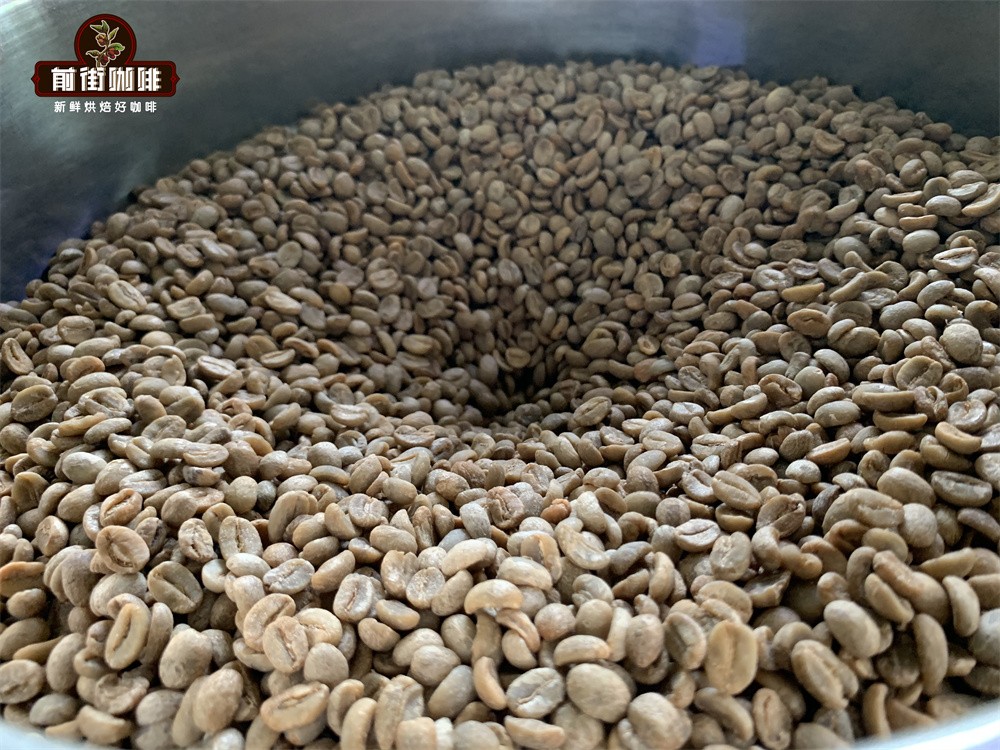
[Cooling Process: The Key to Preventing Over-Roasting]
After roasting is complete, immediate cooling is essential to prevent residual heat from continuing to roast the beans, which could result in an actual roast level deeper than intended. Common cooling methods include water quenching (spraying water for rapid cooling but increasing bean density), natural air cooling, and chilled-air assisted cooling. Each method has pros and cons, depending on the roastery’s equipment.
Why You Can’t Judge Roast Level Solely by Bean Color
Many people assume that darker-colored beans must be dark roasted, but some bean varieties naturally “color easily,” looking dark even if they’re only medium or light roasted. Similarly, some beans may appear lighter yet actually fall within the medium-dark roast range. This is why professional roasters rely on more precise numerical tools to assess roast degree.
Agtron Values and Roaster %: Scientific Interpretation of Roast Levels
Agtron is a roast level measurement system jointly developed by the Specialty Coffee Association of America (SCAA) and the Agtron Corporation. It uses infrared scanning to measure roasted coffee grounds and calculates a value based on the intensity of reflected light. The higher the value, the lower the degree of caramelization, meaning the roast is lighter; conversely, the lower the value, the darker the roast. Generally, Agtron values have an inverse relationship with roast depth.
Another common labeling method is Roaster %; for example, Roaster 95% is mostly light roast (close to cinnamon color), Roaster 90% is cinnamon roast, Roaster 85% corresponds to city roast (medium roast), Roaster 80% is medium-dark roast, and Roaster 70% enters the dark roast range, suitable for bold-flavored espresso.
Suitable Bean Varieties and Brewing Methods for Light, Medium, and Dark Roasts
• Light Roast (Cinnamon / Half-City): The beans are yellowish-brown, akin to cinnamon color, with pronounced acidity, ideal for showcasing floral and citrus notes found in African beans such as Yirgacheffe. Commonly used in filtration methods such as pour over and AeroPress.
• Medium Roast (City / Breakfast): Exhibits a uniform brown color, with balanced acidity and bitterness, suitable for blends from countries such as Blue Mountain, Costa Rica, and Panama. Often paired with milk, and also works well with French press and pour over.
• Dark Roast (French / Italian / Espresso): The beans are dark black with an oily sheen, featuring distinct bitterness and sweetness, rich in oils, and highly suitable for espresso or those who prefer a bold, intense flavor.
Post-Roast Resting and Grinding Recommendations
Freshly roasted coffee beans contain a large amount of carbon dioxide, which can affect flavor release. Therefore, it is recommended to rest the beans for 4 to 7 days to allow them to reach their optimal flavor window. Generally, the flavor development of coffee beans is most ideal within the first 5 days post-roast.
If you purchase pre-ground coffee, as it has already been ground, oxidation accelerates. It is advised to brew it soon after receiving, without the need for extended resting. However, store it sealed to avoid rapid flavor loss. For the best extraction and flavor experience, consumers are recommended to choose whole beans and grind them fresh before brewing, in order to truly appreciate the diverse layers and details of coffee.



The above content is compiled by CoffeeHunters, a coffee news website.


