







Introduction:Thanks to its unique two-chamber extraction method, siphon coffee boasts highly distinctive flavor characteristics. However, many people find that the brewed coffee tastes thin and lacks complexity. In fact, every step—from heating method and grind size to coffee-to-water ratio and stirring technique—affects the final outcome. This article delves into the design principles of the siphon brewer and practical brewing essentials, guiding you step-by-step in adjusting variables to brew a siphon coffee with pronounced aroma and a rich, full-bodied mouthfeel.
Although siphon brewers are rarely seen in modern cafés, this extraction method, centered around a dual-chamber system and steam pressure, still has a loyal following. Many amateur enthusiasts, when trying it for the first time, often encounter issues such as weak flavors and overly light body. In reality, details at every stage—such as when to add coffee grounds, coffee particle size, coffee-to-water ratio, heat control, and stirring technique—are closely linked to the quality of extraction.
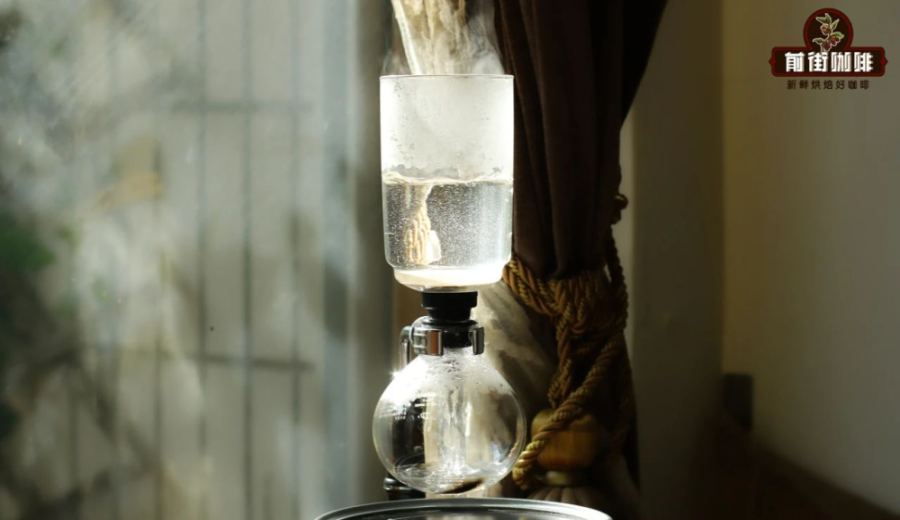
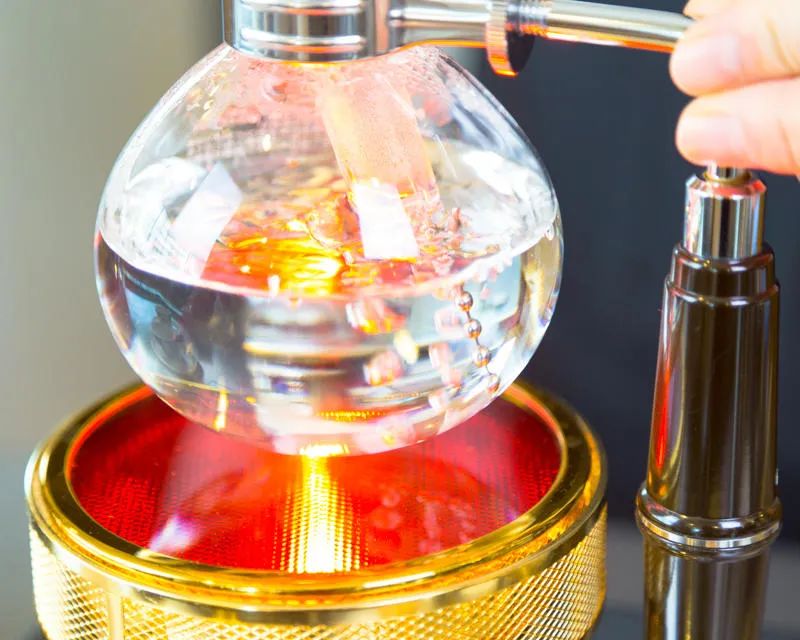
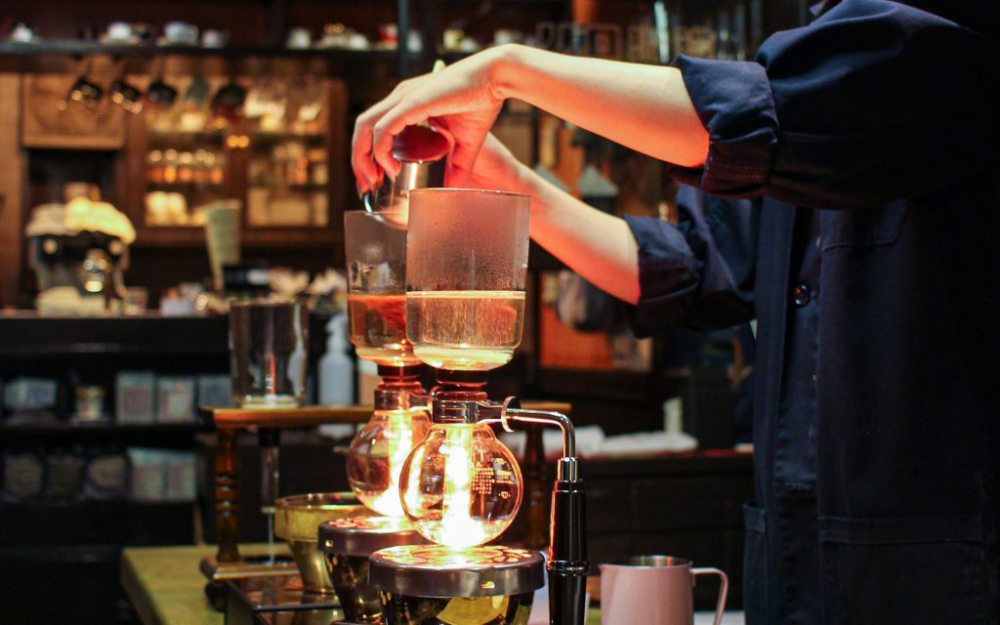
The basic structure of a siphon brewer consists of three main components: the upper chamber, the lower chamber, and the stand. The stand provides support and stability, while the lower chamber has an almost spherical shape, which helps distribute heat evenly during heating. The upper chamber is an upright cylinder with a narrowing base connected to a slender tube, where a silicone seal is located at the narrowed section. When the lower chamber is heated, steam pressure gradually increases, forcing water up through the tube into the upper chamber where it mixes with the pre-added coffee grounds, initiating the extraction process. Once the heat source is removed, the pressure in the lower chamber drops sharply, causing the brewed coffee to flow back down into the lower chamber.
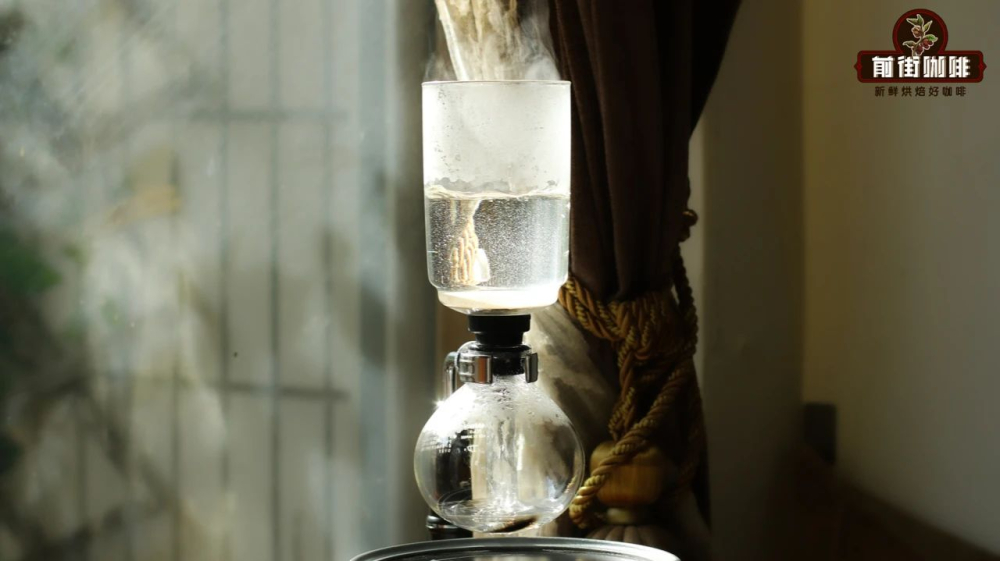
The filtration system plays a crucial role in determining flavor purity. Common options include cloth filters (such as flannel) and circular paper filters. Flannel is a more traditional siphon filter material that retains the natural oils in coffee, resulting in a smoother mouthfeel, but it requires more effort to clean and maintain. Paper filters offer stronger filtration, effectively removing fine particles and some oils, making them suitable for those who prefer a cleaner taste. If you occasionally brew at home and value flavor complexity, flannel is recommended as the first choice.
When it comes to choosing a heat source, common options include gas stoves, microwave-style heaters, and alcohol lamps. Gas and microwave-style heaters allow for precise control over flame intensity, heating up quickly and steadily, but they have a higher initial cost. Alcohol lamps are more affordable but are less energy-efficient, take longer to heat, and are harder to control in terms of heat output. Regardless of the heating method chosen, the key is to adjust your operational procedure according to the tool’s characteristics. Generally, if your equipment allows, it’s recommended to use a gas stove or microwave-style heater to achieve more consistent extraction temperatures.
There are two mainstream approaches to when to add coffee grounds: "add first" and "add later." The former involves adding coffee grounds to the upper chamber at the beginning of the heating process. However, this may cause some of the coffee grounds to come into contact with hot water too early as the water rises, leading to localized over-extraction or uneven extraction, which can negatively affect overall flavor balance. The latter method involves adding coffee grounds only after the water has fully entered the upper chamber, helping to more precisely control the start of extraction. For beginners new to the siphon brewer, it is recommended to start with the “add later” method to reduce the number of variables that could interfere.
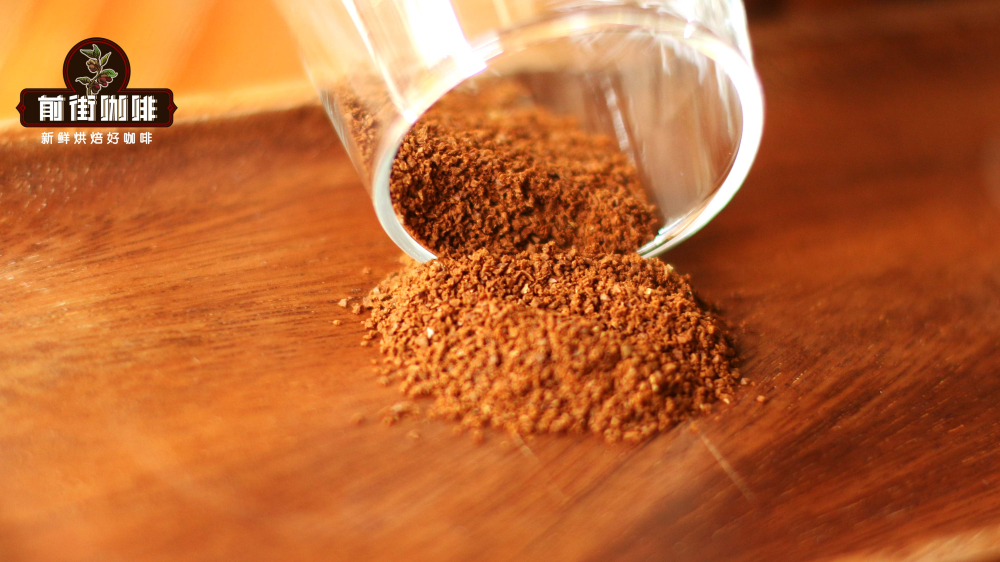
The grind size for siphon coffee is generally slightly finer than that for pour over. Taking the EK43s grinder as an example, it corresponds roughly to grind setting 9, and for the hand grinder C40, it’s about setting 20. It is generally recommended that the grind fineness achieve a 90% passing rate through a 20-mesh sieve to ensure sufficient surface contact while avoiding excessive clogging of the filter material. This parameter range helps achieve ideal extraction efficiency at a moderate flow rate.
In terms of coffee-to-water ratio, the typical range for siphon coffee is 1:10 to 1:12, with 1:12 being the golden ratio preferred by many users. For a single serving, you might consider using 18 grams of coffee grounds with 200 milliliters of hot water. This ratio helps balance richness and clarity of flavor, making it suitable for the flavor profiles of most coffee beans.
There are various stirring techniques, including circular, cross, Z-shaped, infinity (∞), and tapping methods. For beginners, it is recommended to start with the simple and controllable tapping method. During operation, using the center of the stirring rod as the axis, tap the coffee grounds layer lightly at offset ends to evenly saturate the coffee grounds in the water. This helps improve extraction uniformity. This method is not only easy to learn but also effectively reduces the risk of over-extraction caused by excessive stirring.
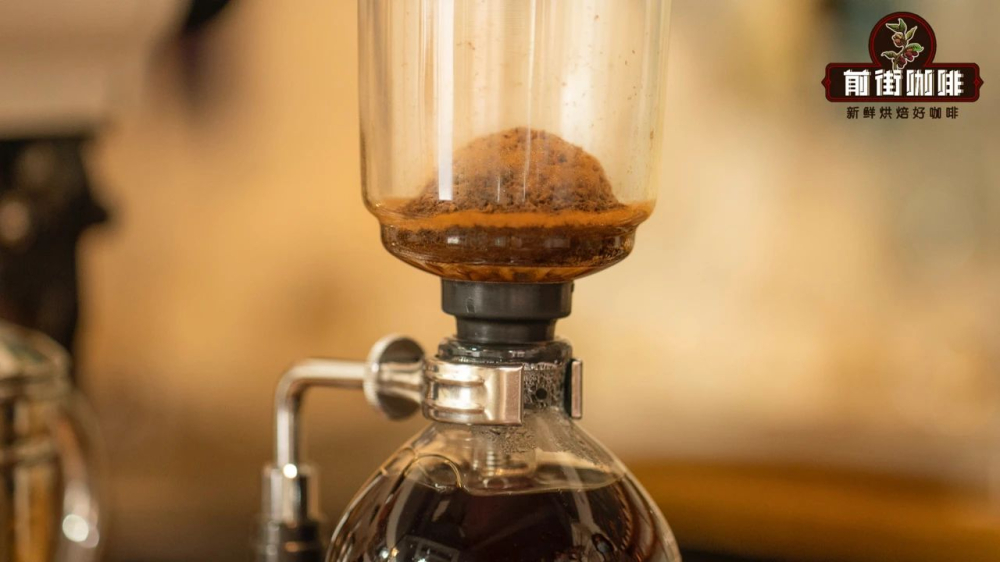
For mastering extraction time, it is suggested that beginners use timing to determine the optimal moment to turn off the heat. If using the “add later” method, start timing from when the coffee grounds are added. If using the “add first” method, start timing from the first stirring action. Generally speaking, turning off the heat between 50 and 70 seconds is ideal, and slight adjustments can be made based on actual extraction conditions. Overly long heating times can lead to over-extraction, producing bitter and astringent off-flavors, while too short a time may result in under-extraction and a thin flavor.
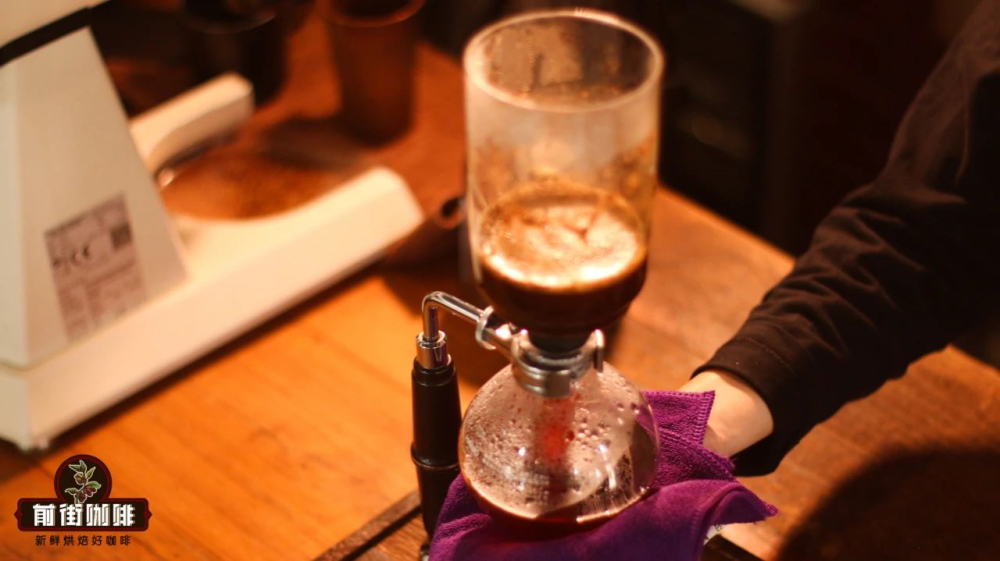
To summarize the practical steps of the process, you may follow these: First, pour about 200 milliliters of hot water into the lower chamber, dry the exterior of the brewer, and then activate the heat source. When the water in the lower chamber starts to form a continuous stream of small bubbles, insert the upper chamber diagonally into the lower chamber and make sure the safety valve touches the bottom of the lower chamber. Then gently straighten the upper chamber and press it down firmly. Once the water is drawn up into the upper chamber by the siphon effect, add the pre-measured coffee grounds and immediately begin the first stirring phase—use the tapping method to press the coffee grounds evenly into the water to help them absorb moisture fully. Around 25 seconds in, perform the second stirring phase, using the recommended technique to clearly separate the coffee liquid into three layers: liquid, powder, and foam. Finally, perform a third stirring in the same direction at around 50 seconds, then remove the heat source at 60 seconds and wait for the coffee liquid to slowly flow back into the lower chamber.
By precisely controlling each of the above variables, even in a home setting, you can consistently brew siphon coffee with rich aroma and a full-bodied mouthfeel. Although the operation of a siphon brewer is relatively complex and cleaning requires extra care in maintaining the filter material, mastering the key techniques allows you to enjoy the unique extraction method's乐趣 and depth of flavor.
The above content is compiled by CoffeeHunters, a coffee news website.


