







Introduction:Yirgacheffe is one of Ethiopia’s most iconic specialty coffee regions, renowned for its washed processing method. Its light-roasted beans often exhibit bright citrus acidity, jasmine floral notes, and honey-like sweetness—making it ideal for coffee lovers who appreciate a clean and refreshing cup. This article takes an in-depth look at the flavor profile of Yirgacheffe, explores optimal brewing methods, and provides practical pour-over and cold brew parameter recommendations to help you fully experience the nuanced expression of this classic coffee bean.
Yirgacheffe, located in southern Ethiopia, is globally recognized by specialty coffee enthusiasts as one of the finest coffee-producing regions. Although the beans grown here are not particularly large in size, they possess a highly distinctive flavor profile—dominated by bright citrus acidity, delicate floral notes, and soft honey-like sweetness. Especially when processed via washed methods and roasted lightly, their refreshing layers become even more pronounced.
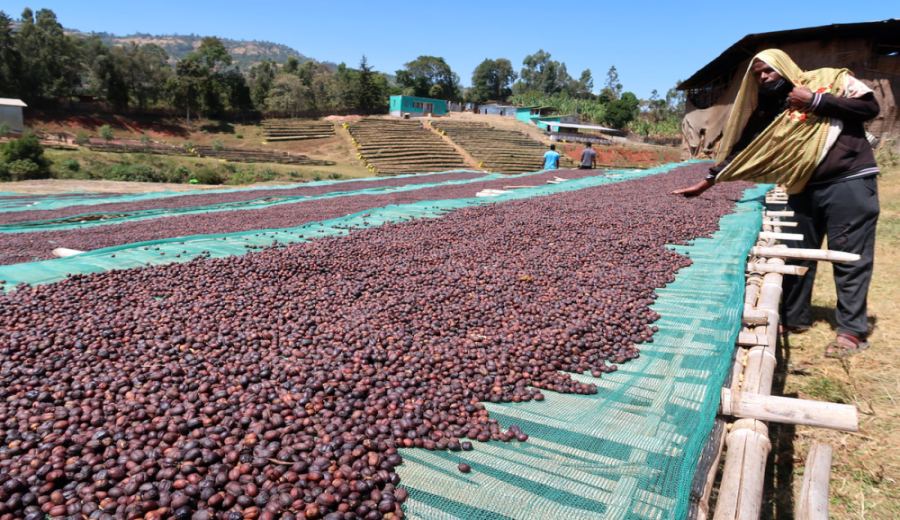
As the birthplace of coffee, Ethiopia boasts a coffee cultivation history of over three thousand years, accumulating rich agronomic knowledge and processing techniques. The altitude in the Yirgacheffe region generally ranges between 1,700 and 2,200 meters. The high elevation slows the ripening process of the coffee cherries, which helps accumulate flavor compounds and contributes to the unique aroma and acidity of the beans from this area.
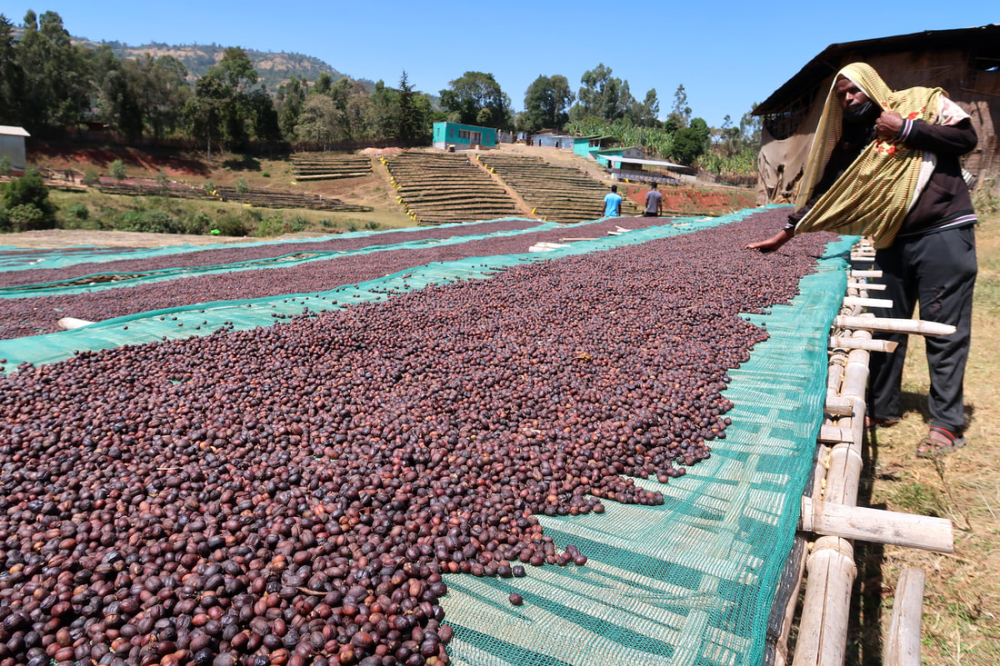
In terms of processing methods, Yirgacheffe predominantly uses washed processing. This technique effectively removes the fruit pulp and impurities while preserving the beans’ bright acidity and clean mouthfeel. After undergoing washed processing, Yirgacheffe beans typically showcase citrus notes such as lemon and bergamot during light roasting, accompanied by subtle jasmine or white floral aromas, as well as a sweet aftertaste reminiscent of honey.
This flavor combination makes Yirgacheffe a popular choice for pour-over brewing. It is recommended to use a medium-fine grind (approximately the size of fine sugar crystals), with water temperature controlled between 90–93°C. A pulsed pouring method is advised, with a total water volume of around 240–260 milliliters per 15 grams of coffee grounds. The first step involves blooming for 30 seconds, followed by slow circular pouring, which effectively highlights the beans’ delicate floral and fruity aromas along with a crisp acidity.
In addition to pour-over, Yirgacheffe is also well-suited for cold brew preparation. During cold brewing, the release of acidic compounds from the coffee beans is slower, thereby preserving more of the citrus and floral characteristics while reducing overall astringency and intensity. It is recommended to use a coarse grind, with a coffee-to-water ratio of approximately 1:12 to 1:15, and steeping time ranging between 14 to 18 hours. Brewing via refrigeration helps stabilize the flavor profile, and the final product can be filtered and enjoyed directly—making it an excellent summer drink.
For those new to Yirgacheffe, its most notable feature is that “it offers a rich and layered taste without the need for added sugar or milk.” These beans often have a smooth body, paired with bright acidity and natural sweetness, evoking the image of a dewy garden in the early morning—refreshing yet gentle.
If you’re looking for a coffee bean that showcases the essence of Ethiopian washed coffee, Yirgacheffe is definitely worth trying. Whether brewed via pour-over or cold brew, as long as you master the appropriate parameters and techniques, you can fully appreciate the charm of its fresh floral and fruity notes along with its delicate sweetness—making it an excellent entry point into the world of specialty coffee.
The above content is compiled by CoffeeHunters, a coffee news website.


