







Introduction:Delve into the varietal origins of Yunnan small-grain coffee, from the early introductions of Typica and Bourbon to the current mainstream Catimor. This article explores their flavor profiles and cultivation backgrounds. Through practical pour over examples, it also introduces the unique flavor expressions of Baoshan washed Catimor and Lincang natural Typica, along with professional-grade pour over parameter recommendations to help you more accurately experience the diverse charm of Yunnan coffee.
When "Yunnan small-grain coffee" is mentioned, many people immediately think of the Catimor variety. Bred for high yield and disease resistance, this variety was once widely criticized for its poor cup quality. However, with advancements in cultivation and post-harvest processing techniques, it can now deliver good cleanliness and complexity. This article will take you through the varietal evolution from Typica to Catimor, analyze the flavor formation of Catimor, and discuss the improvements made in Yunnan’s coffee-growing regions in terms of altitude selection, pest control, and processing methods. Additionally, we compare two coffees—Baoshan washed Catimor and Lincang natural Typica—in detail, providing pour over recommendations and flavor characteristics to give you a more comprehensive understanding of Yunnan coffee’s potential.
Yunnan small-grain coffee belongs botanically to the Arabica species (Coffea arabica L.). As early as the 1950s, the Baoshan region mainly planted varieties such as Typica, Bourbon, and S288. Among them, Typica is one of the oldest varieties, known for its elegant and balanced flavor, but it has low yield and weak disease resistance, making it prone to withering due to illness. To improve overall regional benefits, Catimor—a variety bred for low-altitude adaptation, high disease resistance, and dense planting—was later introduced and has gradually become the dominant cultivated variety in Yunnan. Therefore, the commonly seen "Yunnan small-grain" on the market mostly refers to Catimor coffee.
The origin of Catimor dates back to 1959, when it was developed by a Portuguese research team. This variety combines disease and pest resistance with stable high yields at low altitudes, essentially developed to meet commercial demands. However, as it is a hybrid of Caturra (a natural mutation of Bourbon) and Timor (a natural hybrid of Robusta and Arabica), it also inherits some Robusta traits. This leads many coffee tasters to perceive its cup profile as often carrying woody, grassy, or overly sharp acidity. For this reason, some producers even choose not to label their products as "Catimor."
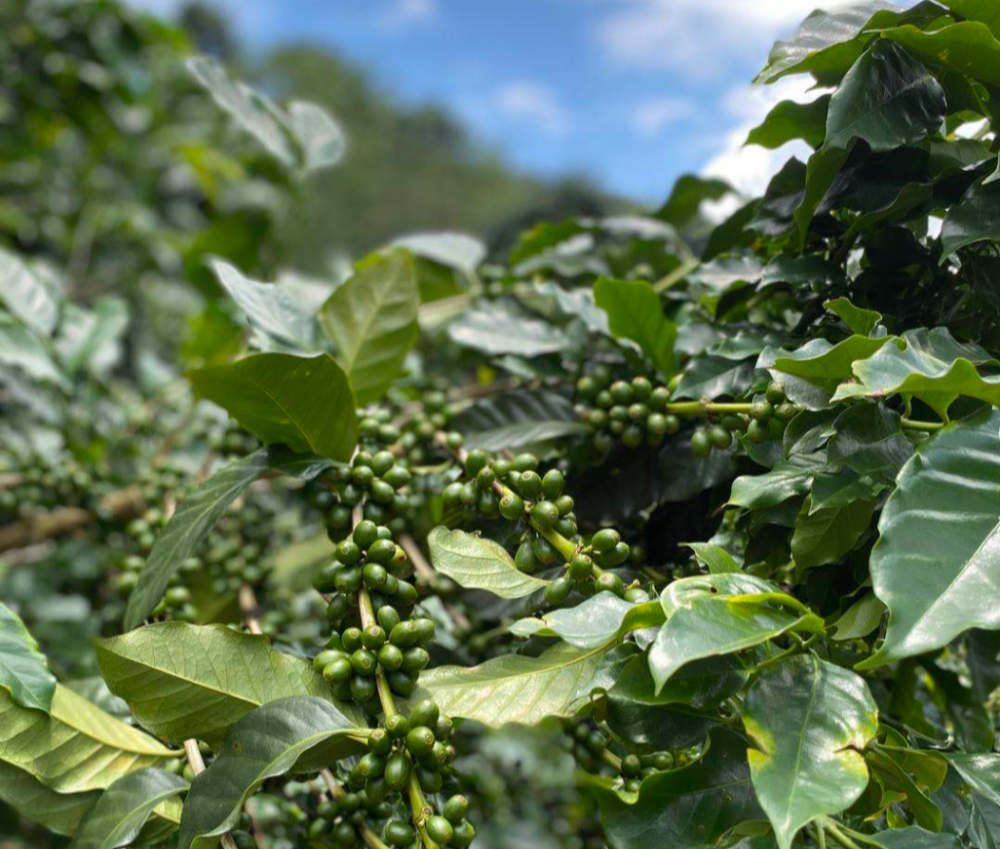
In the past, due to a lack of systematic planting management experience and the fact that most farmers grew Catimor at lower altitudes with relatively extensive post-harvest processing methods, the resulting coffee quality was generally low, often used as raw material for commercial instant coffee. However, as domestic specialty coffee awareness has grown, more and more professionals have invested in the Yunnan region. From shade tree arrangement, pest control, soil conservation, harvest ripeness control, to post-harvest processing techniques, these efforts have gradually elevated the overall standard of Yunnan coffee. Today, through refined processing, Yunnan-grown Catimor can also exhibit clear aromas and good cleanliness.
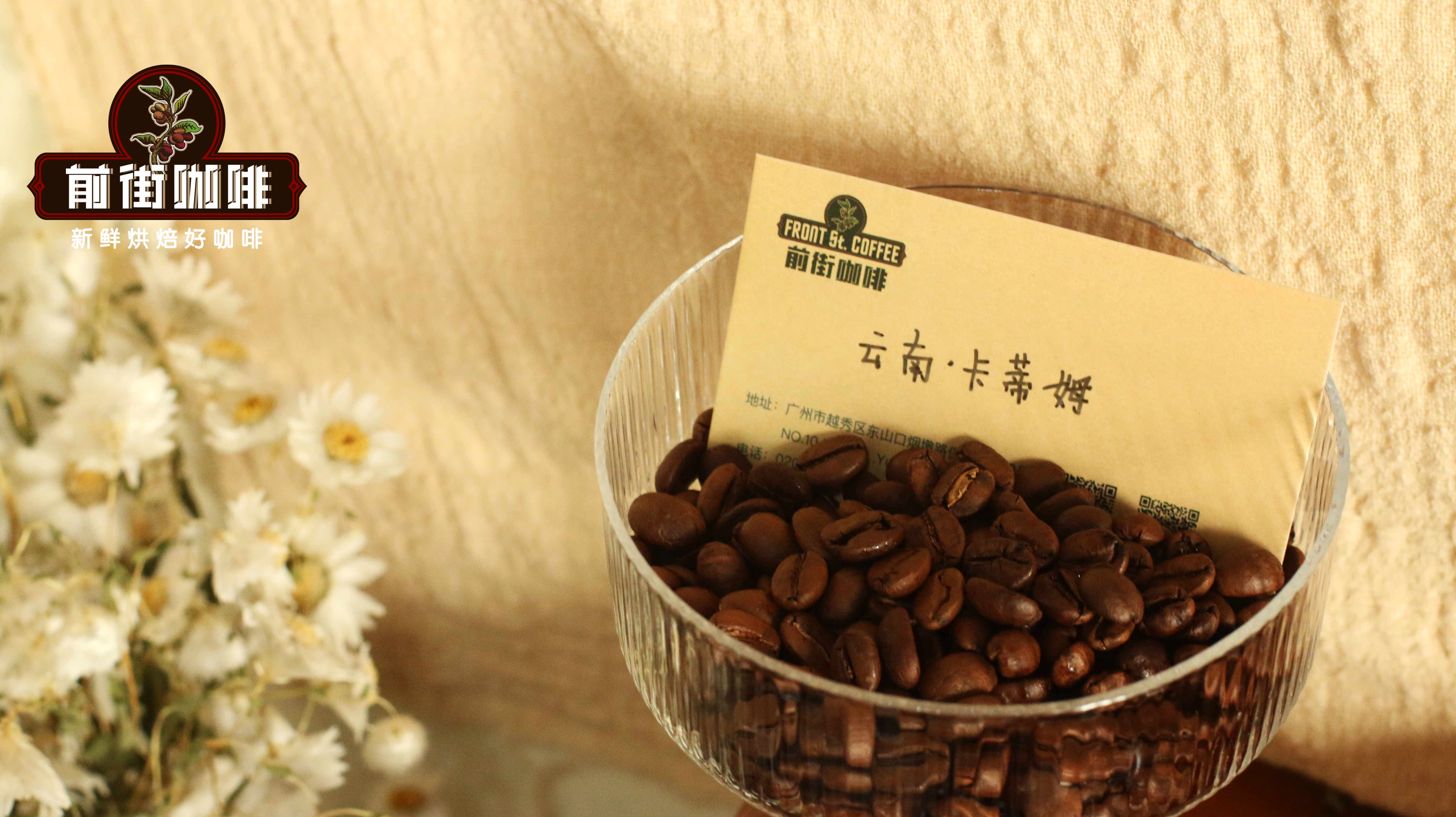
Taking the Baoshan region as an example, after multiple cuppings and on-site evaluations at the origin, we selected a washed Catimor as a representative. This coffee is sold in 100-gram small packages, suitable for everyday drinking. In terms of flavor, it presents gentle nutty notes, accompanied by hints of plum fruitiness and a warm sweetness reminiscent of brown sugar. The overall mouthfeel is balanced, making it suitable for those new to Yunnan coffee.
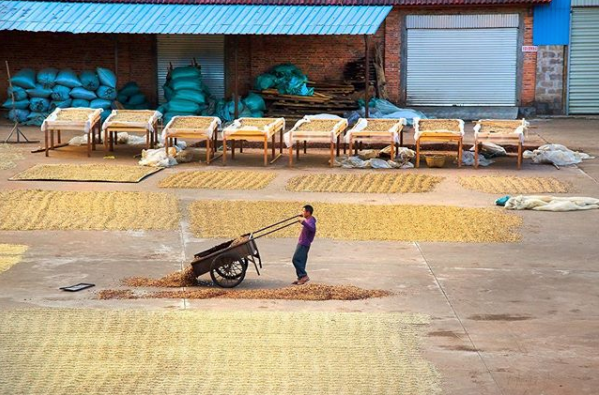
It is worth noting that due to equipment and cost limitations, most farmers in Yunnan’s coffee-growing regions still primarily use washed and natural processing methods. Washed processing offers a cleaner acidity and clearer regional foundational flavors, making it the preferred choice for many specialty baristas. Especially in Yunnan, where water resources are abundant and the rainy season is concentrated, the stability of natural processing is relatively low, whereas washed processing is easier to control in terms of quality.
If you prefer a more fermented and richly fruity natural flavor, the Typica variety from this region is a great choice. Located at the intersection of the Indian Ocean's warm, humid air currents and the southwestern monsoon, the area enjoys a three-dimensional climate with abundant sunshine. Although the rainy season is distinct, there is no frost or only very short frost periods throughout the year, making it highly suitable for Arabica growth. Our selected 2013 natural Typica is processed using traditional natural methods: the coffee cherries are manually sorted for red ones after harvest, then evenly spread out in the sun to dry slowly, with timely turning to avoid over-fermentation. Once the pulp dehydrates to the ideal moisture content and turns purplish-red, it is then hulled and roasted. This coffee exhibits intense caramel, berry, and black tea aromas, with prominent sweetness, rounded acidity, medium-to-high body, and a clean finish with refreshing notes of sugarcane and plum.
For roasted Yunnan coffee beans, the timing of extraction is particularly crucial. It is generally recommended to use them within 5 days after roasting to capture the optimal flavor window. Below are tested and effective pour over parameters suitable for most Yunnan washed Catimor:
Filter:Hario V60
Coffee dose:15 grams
Water temperature:90°C
Grind size:20-mesh sieve passing rate of 75% (medium-fine grind, close to the texture of fine sugar)
Coffee-to-water ratio:1:15
Brewing method:Three-pour method
First pour: Add water equivalent to twice the coffee dose (about 30 grams) for the bloom, lasting about 30 seconds to help release aroma;
Second pour: Pour water in small streams in circular motions from the inside out until the total reaches 125 grams, then pause and wait for the coffee bed to descend to about half the filter height;
Third pour: Continue pouring with the same fine stream until reaching 225 grams total, with the entire extraction time controlled at around 2 minutes until the coffee liquid has completely dripped through.
Such parameter settings help balance acidity and sweetness, highlight cleanliness, and avoid over-extraction or unwanted sediment release. Whether you prefer the mild balance of washed Catimor or the rich fermented flavors of natural Typica, mastering the key variables will allow you to fully experience the diverse facets of Yunnan small-grain coffee.
The above content is compiled by CoffeeHunters, a coffee news website.


