







Introduction:The moka pot is the go-to brewing tool for many coffee enthusiasts when making espresso-style coffee at home. However, its unique pressurized extraction method, if not mastered properly, can easily result in overly bitter, sour, or burnt-tasting coffee. This article will delve into the structure and principles of the moka pot, covering everything from coffee bean selection, grind size, coffee grounds filling techniques, heating intensity to solutions for common flavor issues. We’ll guide you step-by-step in brewing a balanced and smooth moka pot coffee, and include cleaning and maintenance tips to help you consistently extract great flavors.
Thanks to its pressurized extraction mechanism, the moka pot can produce coffee with rich flavor and a full body, and compared to regular drip methods, it can better replicate the flavor characteristics of espresso. However, many users often encounter over-extraction issues, resulting in coffee that is too bitter, too sour, or even has a noticeable burnt taste. These problems are often caused by improper bean selection, inaccurate grind size, incorrect coffee grounds filling, or poor heat control. This article will start with the basic structure of the moka pot and gradually break down the key points of operation for each step, helping you adjust to your own optimal extraction parameters.
The moka pot is a device that uses steam pressure for extraction. Its design consists of two main parts: the lower chamber holds water, which, when heated, turns into steam and creates pressure. This pushes the hot water through a filter filled with coffee grounds in the middle section, and then into the upper chamber where it becomes brewed coffee. It’s important to note that once you see coffee starting to drip from the upper chamber, you should immediately reduce the stove heat to avoid over-extraction due to continued high temperature, which can lead to burnt, bitter flavors or an overly hot, uncomfortable taste.
After understanding how the moka pot works, the next step is selecting the right coffee beans. Since the moka pot uses a pressurized extraction method, which is quite different from the immersion brewing of pour over or filter coffee, special attention must be paid to the choice of bean variety and roast level. Light roast beans typically have prominent floral and fruity acidity and a fresh profile, but in the pressurized environment of the moka pot, these characteristics can be amplified into harsh acidity, affecting overall balance. Therefore, it is recommended to choose medium to dark or dark roasted coffee beans, which can better showcase rich, caramel, and nutty tropical flavors.
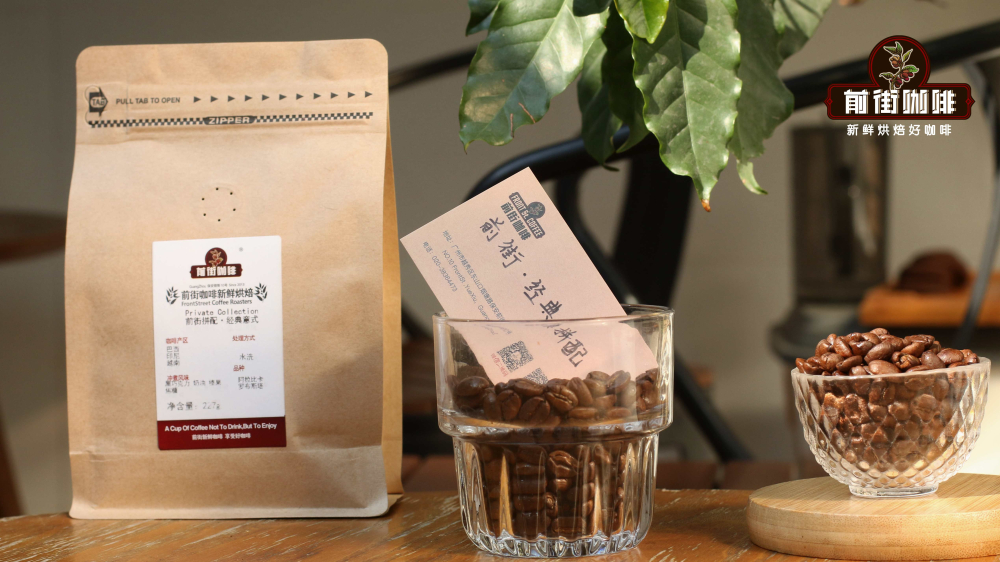
If you prefer convenience and consistent performance, you can opt for coffee blends specifically designed for moka pots or espresso machines, such as those with good crema and roasted aromas, which can deliver a café-quality texture. If you prefer the unique characteristics of single-origin beans, it is recommended to choose medium to dark roasted beans, such as Indonesian varieties processed using the wet-hulled method, which often feature layered notes of spices, sandalwood, and caramel, fully showcasing the extraction potential of the moka pot.
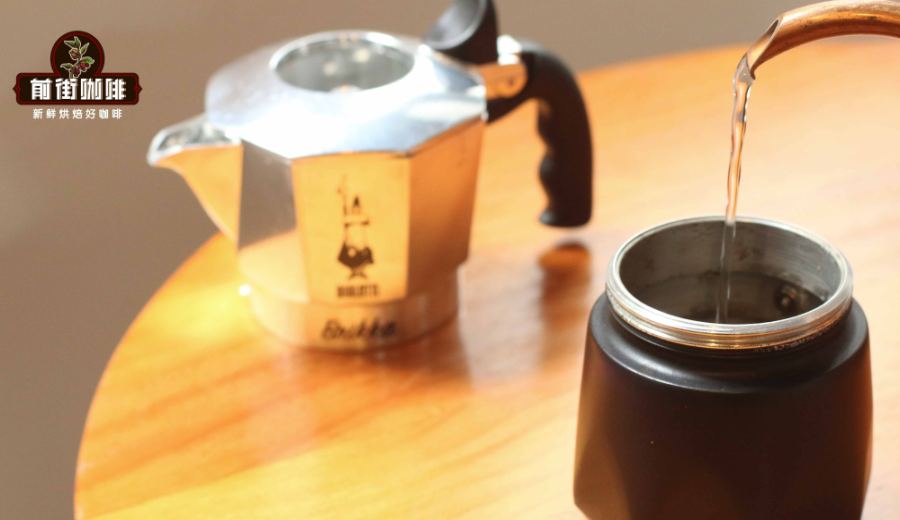
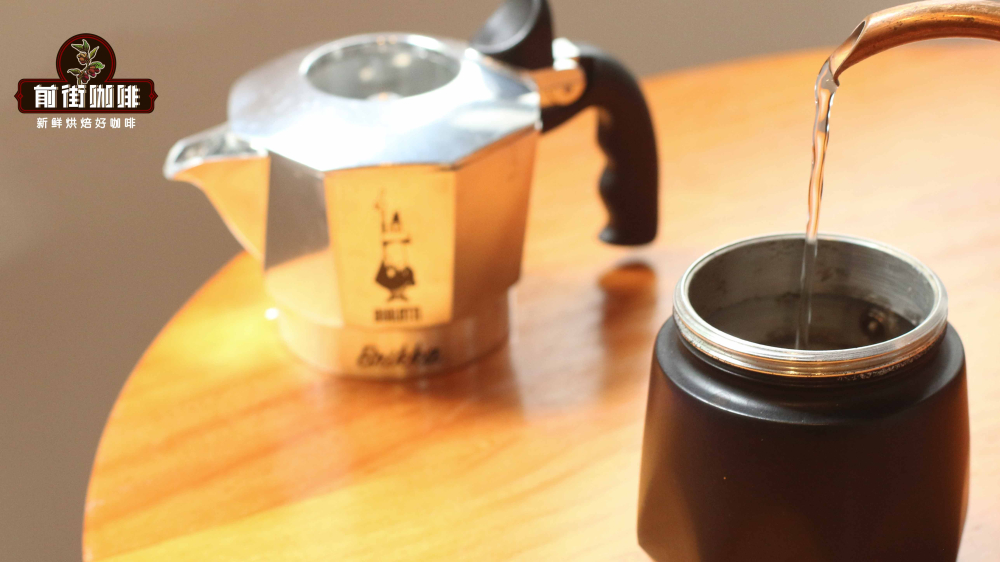
In terms of actual operation, it is recommended to fill the lower chamber with room temperature or slightly warm water before assembling the moka pot. The water level should be kept below the safety valve (pressure relief valve) to avoid submerging the valve, which could cause abnormal pressure and raise safety concerns. Using warm water can shorten the heating time and also reduce the risk of scorching the coffee grounds due to sudden high temperatures.
Grind size is one of the key factors affecting extraction. The grind size needed for the moka pot should be between that of pour over and espresso — finer than pour over but slightly coarser than espresso. If the grind is too coarse, water will pass through too quickly, leading to under-extraction and weak flavors. If the grind is too fine, water flow will be obstructed, leading to over-extraction, resulting in bitterness and a heavy mouthfeel. It is recommended to use a fine grind setting, roughly close to the middle range of espresso grind, but you can make fine adjustments based on actual extraction results.
When filling the ground coffee into the filter, simply level it gently without pressing it down too hard. Overly compacted coffee grounds will impede water flow and affect extraction uniformity. After filling, assemble the upper and lower chambers and tighten them securely. Place the moka pot on the heat source. If using an open flame, control the flame so it does not extend beyond the base of the pot, and once you hear a slight hissing sound, reduce the flame to low. At this point, the coffee liquid will begin to flow out. Once the liquid reaches about halfway up the upper chamber, you can turn off the heat and let the residual heat complete the final stage of extraction.
If you hear a continuous whistling sound during heating but no liquid is coming out of the upper chamber, it may be due to a blocked spout or an overly compacted coffee layer. It is recommended to stop heating immediately to avoid the danger of excessive pressure buildup. Additionally, after brewing, you can adjust how you drink the coffee according to personal preference, such as adding an equal amount of hot water to make a moka pot Americano, or combining with hot milk to create a latte-style drink.
Common extraction issues mainly fall into three categories: over-bitterness, over-acidity, and burnt taste. Overly bitter coffee is usually the result of over-extraction. It is recommended to adjust the grind to a slightly coarser setting or reduce the amount of coffee grounds to speed up water flow. If there is a noticeable sour taste, it may be due to using light roast beans. It is recommended to switch to medium to dark roast or choose beans with fruity processing methods, and you can also improve the flavor by fine-tuning the grind fineness. As for burnt taste, it is usually related to overly dark roasting or excessive heat. Choosing a moderately roasted bean and controlling the heating intensity can effectively prevent this issue.
Finally, the cleaning and maintenance of the moka pot is crucial. It should be cleaned immediately after each use to prevent coffee grounds residue, which can cause odors or clog the filter and water channels. Long-term accumulation of residues can also affect future extraction performance and flavor purity. Regularly check the condition of the gasket and all components to ensure the pot's airtightness and safety, so you can consistently enjoy a smooth and layered moka pot coffee in the long term.

The above content is compiled by CoffeeHunters, a coffee news website.


