







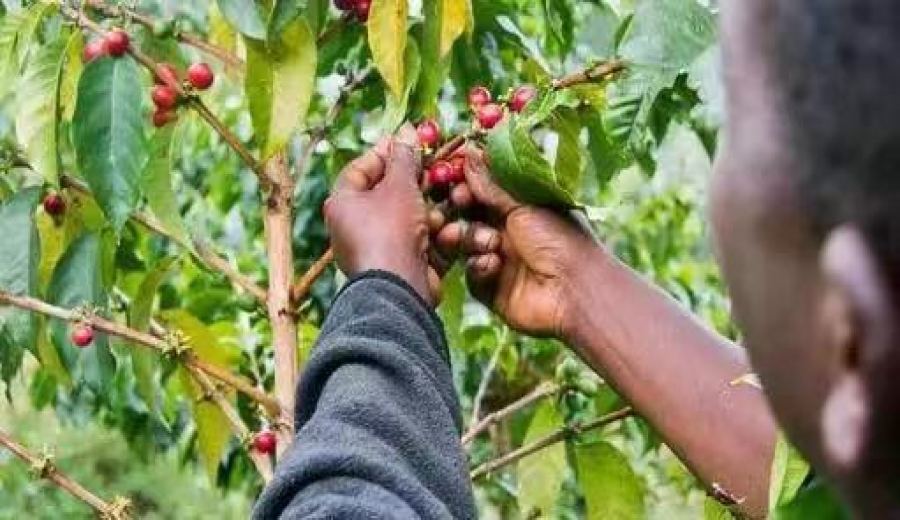
Introduction:The Yirgacheffe region is home to numerous coffee cooperatives, which reflect not only regional characteristics but also the achievements of farmers leveraging collective strength to advocate for fair trade and market autonomy. Since 2002, the establishment of the Yirgacheffe Coffee Farmers Cooperative Union (YCFCU) has led its 24 primary cooperatives, enabling farmers to break free from the low-price constraints of commodity trading and instead negotiate directly with buyers, export their beans, and receive fair compensation and technical support. This article takes you on a tour of renowned cooperatives such as Gotiti, Konga, Werka, Hafursa, and IDIDO, analyzing their growing conditions, processing methods, and unique flavor profiles, while also introducing the cooperative model behind specialty coffee.
Why has the Yirgacheffe region seen a surge in coffee cooperatives? This is not only a result of regional culture but also a significant milestone where coffee farmers have organized to pursue a fairer trading model. Established in 2002, the Yirgacheffe Coffee Farmers Cooperative Union (Yirgacheffe Coffee Farmers Cooperative Union, abbreviated as YCFCU) integrates 24 primary cooperatives, serving approximately 50,000 coffee farmers. It allows them to step away from the standardized bidding process of Ethiopia’s national coffee trading platform, ECX (Ethiopian Coffee Exchange), and instead engage directly with domestic and international buyers to negotiate prices and export their produce.
This direct trade mechanism not only ensures more reasonable compensation for farmers but also enables buyers to precisely select green beans with specific regional flavors and processing characteristics based on their own needs, even tracing them back to specific regions, cooperatives, and farmers. More importantly, cooperatives can also provide berry processing equipment, technical support, and financial loans to help farmers improve production conditions and further enhance coffee quality.
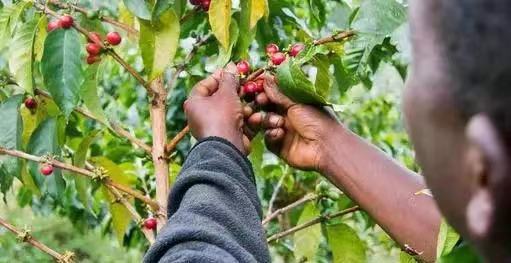
Gotiti Cooperative (Gotiti) is one of the most notable representatives. Located at the southeastern edge of Yirgacheffe and part of the Wolkite zone, Gotiti was originally part of the Wolkite Cooperative under YCFCU. However, with the specialty coffee industry’s increasing emphasis on “single-origin” and “traceability,” in 2012, Gotiti decided to become independent, established by around 300 local farmers. Most of these farmers were already part of the Wolkite Cooperative, thus having accumulated certain experience and skills in coffee cultivation, particularly in washed and natural processing. Gotiti is hailed as the last pure land of Yirgacheffe. Its washed beans often exhibit clear citrus and orange notes, paired with white floral aromas, honey sweetness, and a green tea-like aftertaste, making it highly suitable for coffee lovers who prefer bright acidity.
Konga Cooperative (Konga) is situated in the Gedeo region, which boasts exceptionally favorable soil conditions. The soil here is rich in iron and has a depth of over 1.5 meters, providing an excellent rooting environment for coffee trees and promoting nutrient and water absorption. As a key trace element for chlorophyll synthesis, iron directly influences the photosynthesis and nutrient storage of coffee trees, thereby enhancing the ripeness and flavor potential of the coffee cherries. The cooperative’s beans are processed using fully red cherry natural drying, selecting only fully ripe fruits, resulting in bright citrus acidity, rich berry juice flavors, honey sweetness, and a creamy smooth mouthfeel—making it an excellent choice for natural processing enthusiasts.
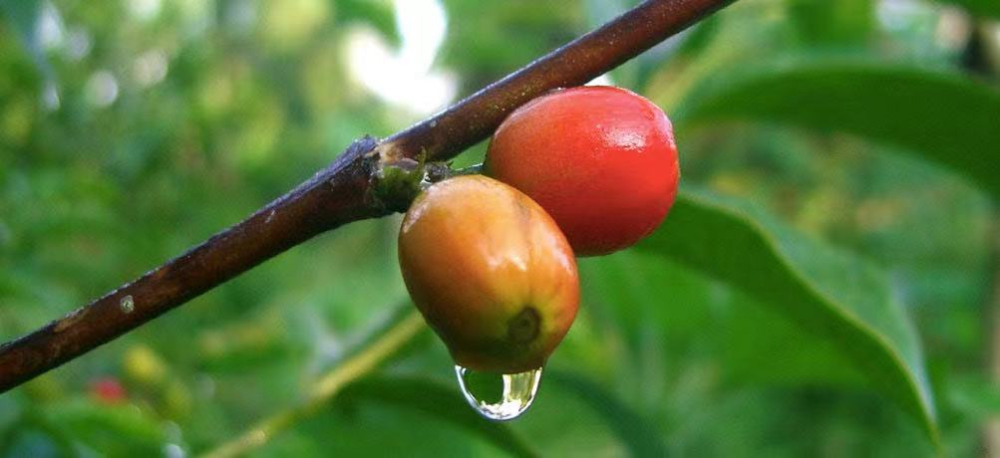
Werka Cooperative (Werka), affiliated with YCFCU, was established in 2005. It is located in a remote and hard-to-reach village within the Yirgacheffe region, about 75 kilometers from the main hub town of Dila, with a 20-kilometer dirt road connecting to the main asphalt road. The cooperative consists of 305 farmers and covers a total planting area of approximately 763 hectares, with an annual output of nearly 460 tons. Though considered small to medium in scale, it has successfully obtained EU Skal organic certification by refraining from the use of chemical fertilizers and pesticides. Werka primarily employs traditional washed and natural processing methods, and its coffee is widely praised for its distinct regional characteristics. One of its anaerobic natural-processed beans showcases lemon and grapefruit acidity, elegant ginger flower aroma, honey sweetness, and a tea-like flavor reminiscent of Tieguanyin, offering a rich and unique flavor profile.
Hafursa Cooperative (Hafursa), also known as Halsa, is one of the pioneers of Ethiopia’s early cooperative movement, established as early as 1975. Its coffee cherries mainly come from two premium areas: the slopes of Hafursa village to the west of the processing plant, at altitudes between 1850 and 2100 meters, and the slopes near Konga village to the south, at elevations of about 1870 to 2000 meters. Both locations benefit from high altitudes and ideal slopes, providing excellent microclimatic conditions for coffee growth, which form the important foundation for the cooperative’s consistent production of high-quality green beans.
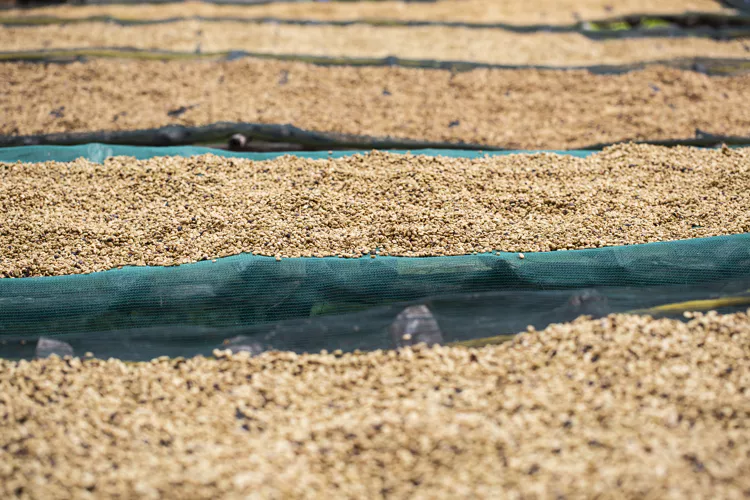
IDIDO Cooperative (IDIDO) is located in the high-altitude valleys of Yirgacheffe town, with abundant annual rainfall of about 1400 to 1800 millimeters. Coffee is planted at altitudes of around 2000 meters. The cool mountain climate allows the coffee cherries to ripen slowly in nutrient-rich soil and a favorable ecological environment, typically harvested between December and February each year when the cherries are fully red and ripe. IDIDO has four key advantages: high altitude, excellent processing techniques, fertile soil, and native coffee varieties. These factors collectively produce coffee beans with delicate flavors and captivating aromas. The coffee imported from this region often carries the elegant floral notes characteristic of Gesha coffee, leaving a lasting impression.
In the Yirgacheffe region, coffee processing methods are mainly divided into two categories: washed and natural. Washed processing involves removing the coffee fruit’s skin and pulp, then fermenting it in water tanks to remove the mucilage, followed by sun drying. This method has a shorter drying time, resulting in clean and bright flavors with vibrant acidity, suitable for brewers who prefer a refreshing taste—represented by the recommended Gotiti washed beans. Natural processing, on the other hand, retains the entire fruit flesh, drying it directly in the sun until dry. During this process, the sugars and aromas from the fruit flesh gradually penetrate the bean, creating a richer sweetness and fermented aroma. The Red Cherry natural bean is a classic choice. Both processing methods have their unique merits, and consumers can choose their preferred experience based on individual taste preferences.

The above content is compiled by CoffeeHunters, a coffee news website.


