







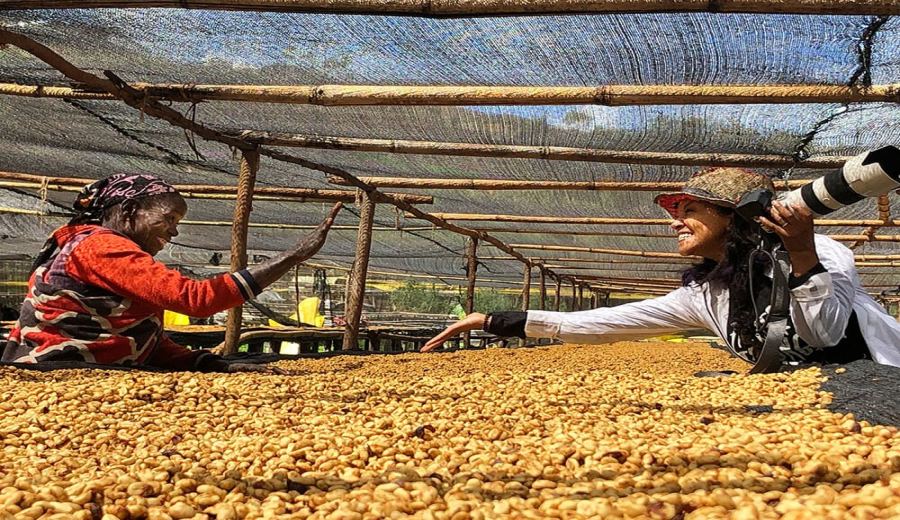
Introduction:Delve into the Bench Maji region of Ethiopia, the birthplace of the renowned Geisha variety. This article provides a comprehensive exploration of the Ethiopian Geisha story—from the region’s geography and growing environment, to the operations of the Gesha Village estate, and the classification and varieties of coffee produced at different tiers. It also includes cupping notes and precise pour over recommendations for a well-known coffee brand’s latest Gold Label Geisha, guiding you from origin to cup to grasp the essence of Geisha.
Ethiopia, known as the cradle of coffee, boasts the world’s richest genetic repository of Arabica beans. Its Bench Maji region in the southwest is the original ecological home of the globally famous Geisha variety. This area is not only home to the Gesha Village estate but also the starting point of what many coffee enthusiasts consider “divine flavor.” By examining the region’s environmental conditions, farming practices, and the detailed grading and variety profiles of the Gesha Village estate, we gain a full understanding of how these top-tier coffees make their journey from high-altitude forests to specialty coffee cups.
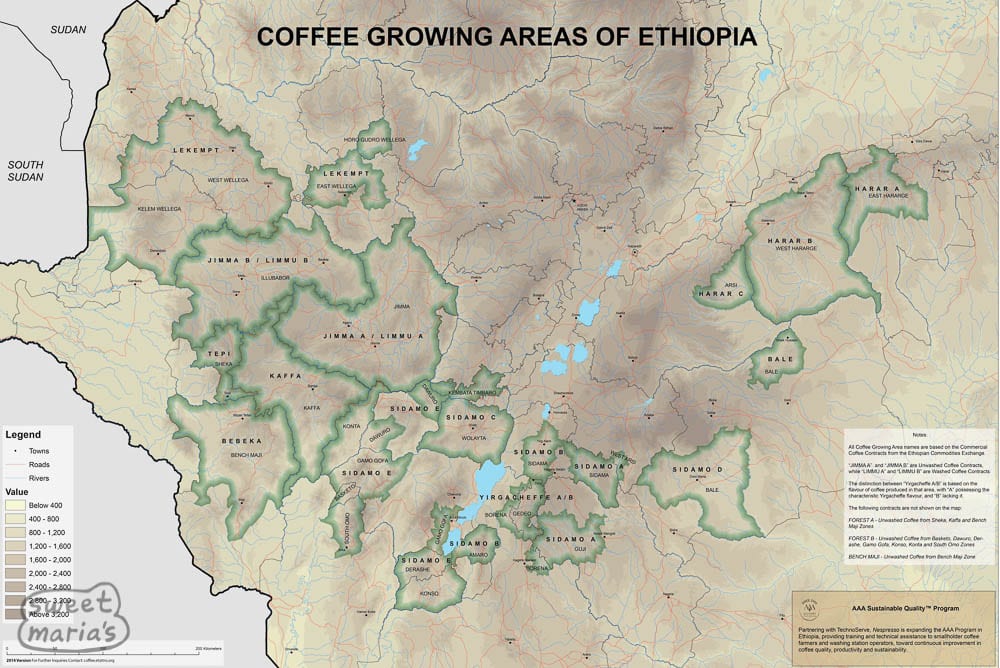
Located in Northeast Africa and bordered by multiple countries, Ethiopia is predominantly composed of plateaus and mountains, with over two-thirds of its land belonging to the Ethiopian Highlands, where the average elevation approaches 3,000 meters. The East African Rift Valley runs across the country, contributing to diverse climates. The plateau regions feature tropical savanna climates, while mountainous areas exhibit typical highland climatic conditions, with annual rainfall of about 1,237 mm. The presence of numerous active volcanoes and a dense river network further creates ideal conditions for coffee cultivation. The southern and western regions, especially, are well-suited for growing specialty-grade Arabica, and Bench Maji lies within this ecologically sensitive and highly biodiverse zone.
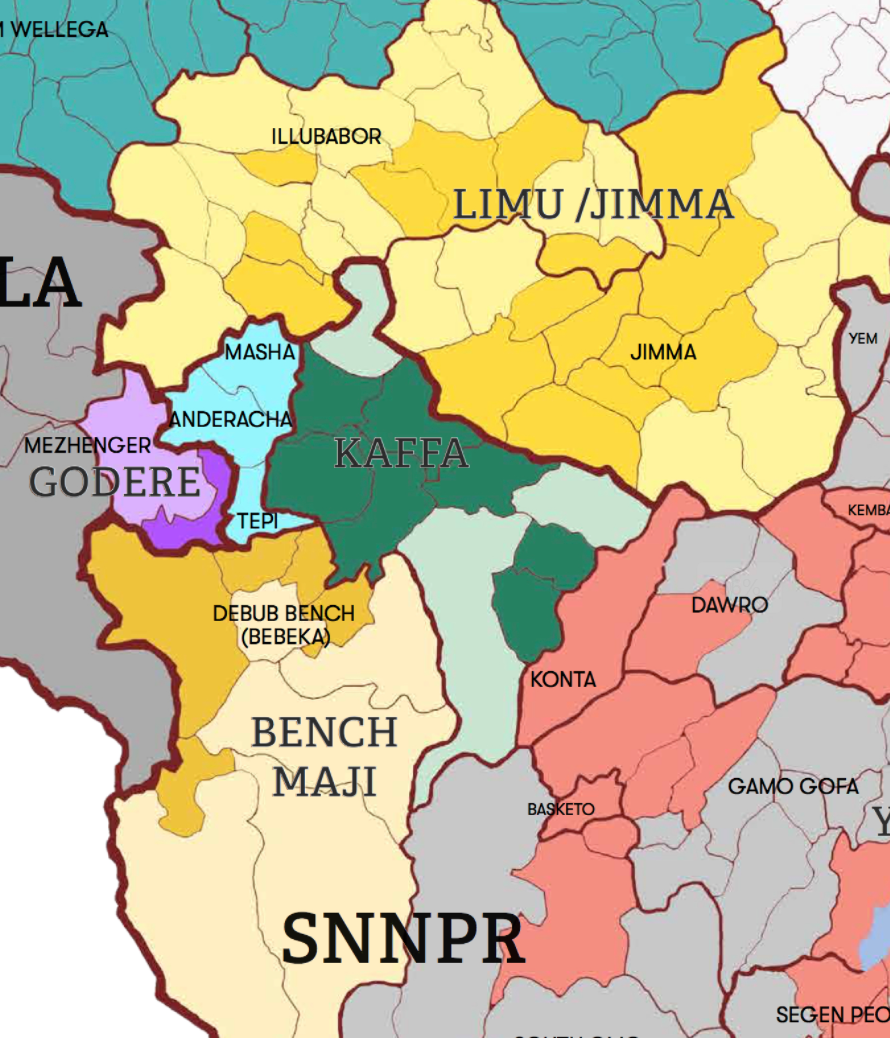
Bench Maji, also referred to as Bebeka, is part of Ethiopia’s Southwest Ethiopia Region and borders South Sudan. It is the primary settlement area of the Bench people, an ethnic group known for their agricultural expertise and long-standing cultivation of teff, the region’s staple food. Historically, the area was largely focused on forest conservation, allowing wild coffee to thrive undisturbed in its natural environment—until recent years, when the success of Gesha Village brought it increasing attention. The Gesha Village Coffee Estate located here is famed for its discovery and cultivation of the original Geisha variety.
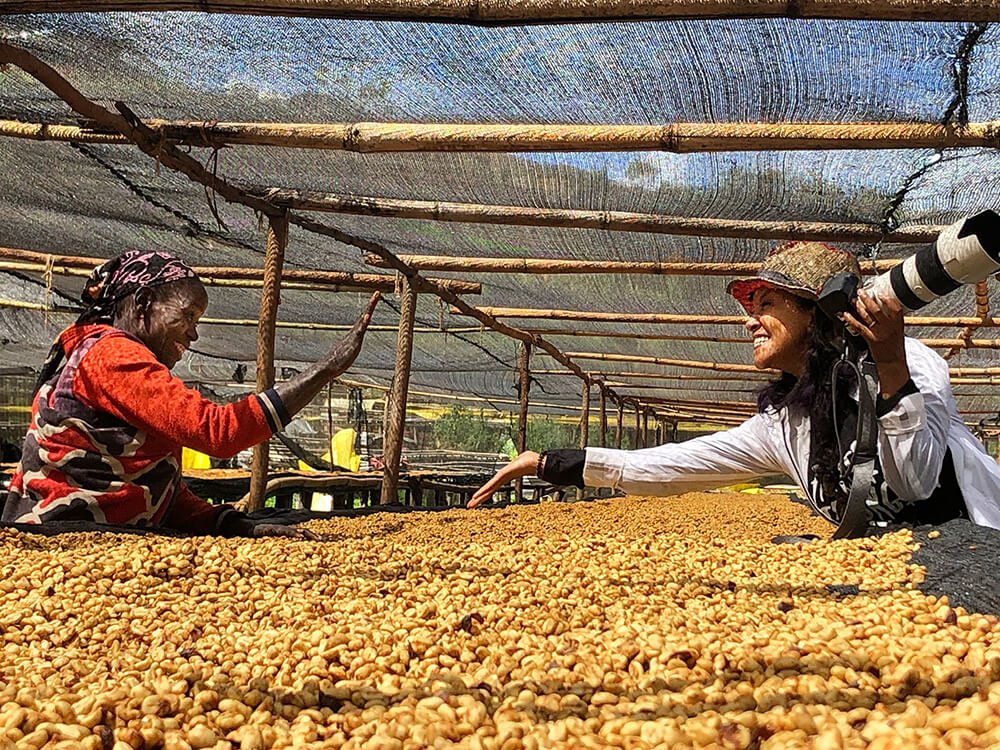
Established in 2009 by documentary filmmaker Adam Overton and his photographer wife Rachel Samuel, Gesha Village was conceived after the couple discovered plants suspected to be wild Geisha during the filming of a documentary on Ethiopian coffee in the Gori Gesha Forest of Bench Maji. In 2009, after confirming the variety, they obtained seeds from the local wild forest and established the current Gesha Village estate within Bench Maji. Spanning 471 hectares with elevations ranging from 1,931 to 2,040 meters, it serves as a key site for the original rehabilitation of the Geisha variety.
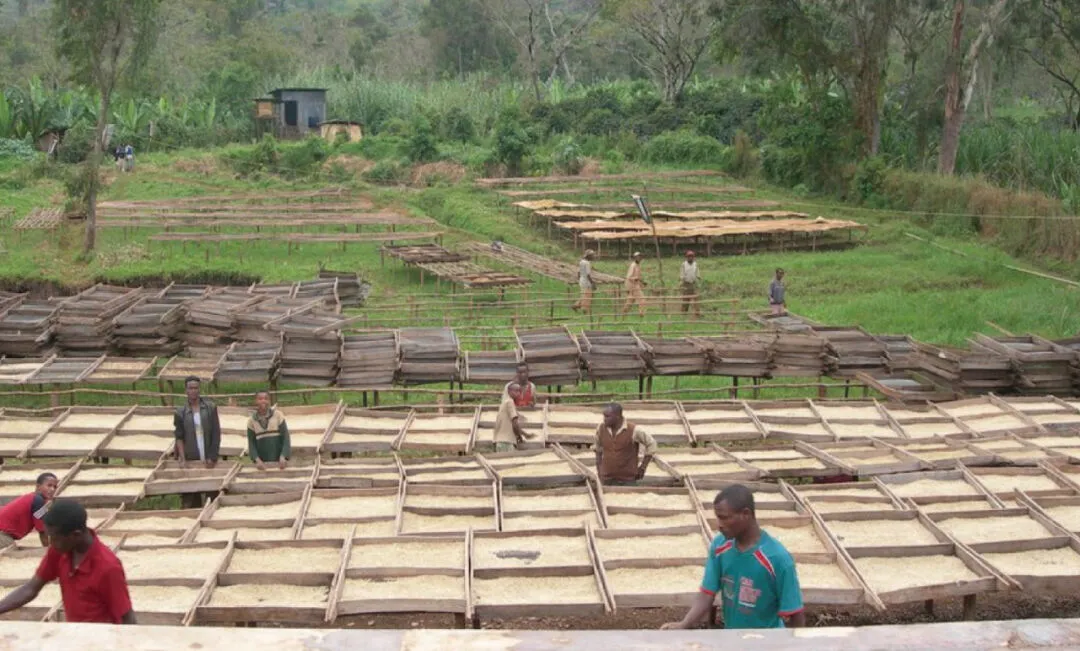
Currently, the estate cultivates three main varieties: Gesha 1931, Gori Gesha, and Illubabor Forest 1974. The entire estate is divided into eight distinct plots, each planted with a single variety: Oma, Surma, and Narsha grow Gesha 1931; Bangi, Shewa-Jibabu, and Shaya grow Gori Gesha; and Gaylee and Dimma grow Illubabor Forest 1974. Each block’s coffee cherries are clearly labeled, and through an internal traceability system, every step—from harvesting and processing to export—is fully trackable to ensure consistent quality and transparency.
Gesha 1931 is the variety within the Geisha family most similar to the famous Panamanian strain, with morphology, bean characteristics, and cupping flavors all indicating descent from the original parent plant. A well-known coffee brand’s Gold Label Geisha from this year’s new crop comes from this variety, processed with a 32-day natural method, showcasing intense berry and melon sweetness, citrus acidity, chamomile floral notes, and a tea-like lingering finish. Gori Gesha originates from the Gori Forest, 12 miles from the estate, while Illubabor Forest 1974 is a disease-resistant variety discovered in 1974 in the Ilubabor Forest and later cultivated by Ethiopian research institutions—it is currently grown only at Gesha Village.
Gesha Village’s grading system differs from Ethiopia’s traditional classifications and instead follows common commercial models seen in international specialty coffee auctions, divided into five categories: Champion’s Reserve / Farm Reserve, Gold Label, Red Label, Green Label, and Chaka. Champion’s Reserve / Farm Reserve (竞标批次) accounts for just 3.7% of annual production, representing extremely limited quantities available only through global auctions. Gold Label (金标批次) makes up 10% of production and represents the highest non-auction tier—for example, a well-known coffee brand’s Gold Label this year comes from the Oma plot’s Gesha 1931, processed naturally for 32 days. Red Label (红标批次) requires a SCA cupping score of 88 or above, accounting for 15%. Green Label (绿标批次) offers full information on plot, variety, and processing method without a cupping score threshold. Chaka (查卡批次) is a blend of multiple varieties from across the estate, without emphasis on specific subdivisions.
If you’re curious about how to recreate these exceptional flavors at home, here are the recommended pour over parameters for the Gold Label from Gesha Village, as suggested by a well-known coffee brand: Use a V60 filter, 15 grams of coffee, water temperature controlled at 91–92°C, a 1:15 coffee-to-water ratio, and a grind size akin to superfine sugar (approximately 80% through a #20 sieve). Employ a three-stage pouring method: the first pour adds 30 grams of water for a 30-second bloom; the second pour uses slightly more water flow to add 120 grams, reaching a total of 150 grams in about 55 seconds; the final pour adds 90 grams with a finer stream, bringing the total brew weight to 240 grams in approximately 2 minutes and 10 seconds. Maintain steady water flow and preserve the integrity of the coffee bed to fully highlight its delicate floral, fruity, and tea-like layers.
The above content is compiled by CoffeeHunters, a coffee news website.


