







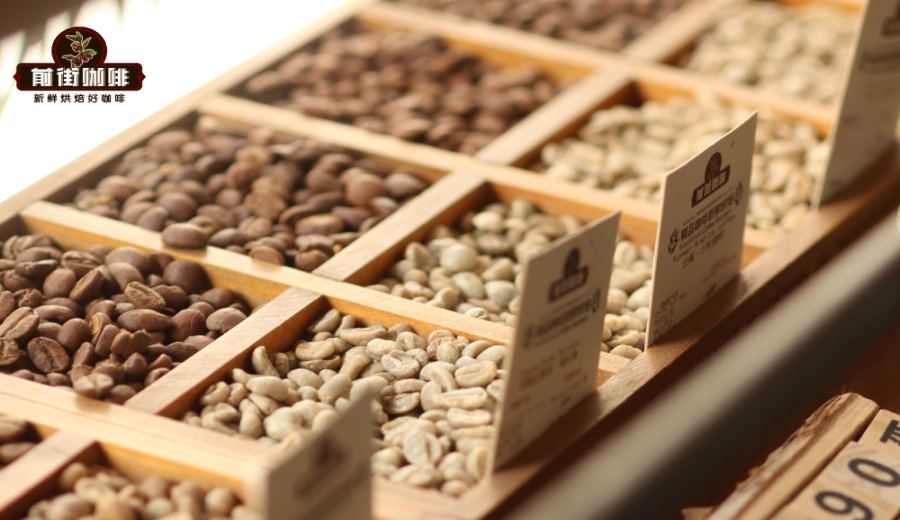
Introduction:As an important origin of specialty coffee globally, Colombia has a rigorous and unique green bean grading system. This article delves into its mainstream Excelso and Supremo grade standards, introduces the mesh size classification and defect scoring rules, and provides detailed flavor characteristics and practical pour over parameters for Supremo-grade coffee beans from the Huila region, allowing you to fully grasp the essence of Colombian coffee from grading to brewing.
Coffee regions around the world have developed their own sets of quality evaluation and grading systems due to differences in geography, cultivation history, and processing techniques. Some use the ratio of defective beans as the basis for grading, some classify based on the size of green beans, and others determine grades through professional cupping. As a world-renowned exporter of Arabica coffee, Colombia’s grading system combines multiple criteria, with the Excelso and Supremo export grades being the most widely known. This article will deeply analyze the logic behind Colombian coffee’s green bean grading, helping you understand the definition of the Excelso grade, how defective beans are calculated, details of mesh size classification, and for the popular Supremo-grade beans from the Huila region, explain their flavor features and practical brewing recommendations.
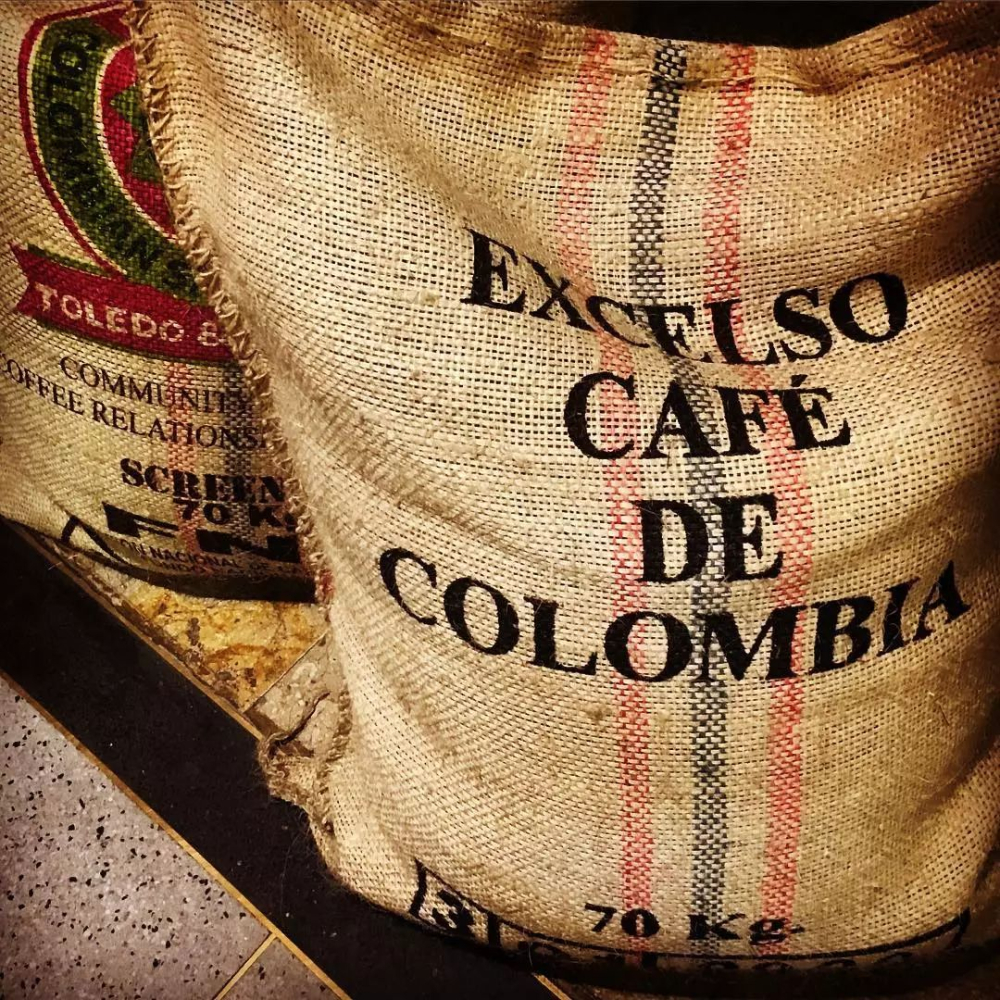
In Colombia, no matter what mesh size or appearance the green beans have, as long as they meet the country's export specifications, the burlap sacks will almost always be labeled “Excelso-Café de Colombia.” This indicates that the batch of coffee beans has met the export quality benchmarks set by Colombia’s National Federation of Coffee Growers (FNC). Even if there are differences in bean size, as long as they pass comprehensive evaluations such as defect rate and green bean appearance, they can be classified under the Excelso grade. Common subcategories include UGQ (usually high quality), EP (European preparation specifications), and Supremo (the largest bean size grade). In fact, the vast majority of Colombian green beans exported on the market today are labeled with Excelso, making it the most common and representative quality grade among the country’s exported coffee beans.
So, what specific conditions must be met to achieve the Excelso grade? First, in a 500-gram green bean sample, more than 50% of the beans must be larger than 15 mesh, and all beans must be at least 14 mesh in size. Up to 5% of beans between 12 and 14 mesh are allowed, provided that all green beans are not smaller than 12 mesh. In addition, the green beans must pass strict visual inspections, including being free from pests, having consistent color, no unusual odors, and clean, uncompromised flavors. The moisture content must not exceed 12.5%, and the overall defect score must be kept within 24 points, which is one of the key indicators for assessing compliance with export standards.
Colombia adopts a dual-track system for classifying defective beans, divided into primary and secondary defects, and grades are determined based on the number of defective beans allowed per 500-gram sample. For example, the common Supremo 12*60 (5%) specification means that in a 500-gram green bean sample, there must be no more than 12 primary defect beans and no more than 60 secondary defect beans. This meticulous scoring method effectively ensures that the final exported coffee beans maintain a certain standard of quality and flavor.
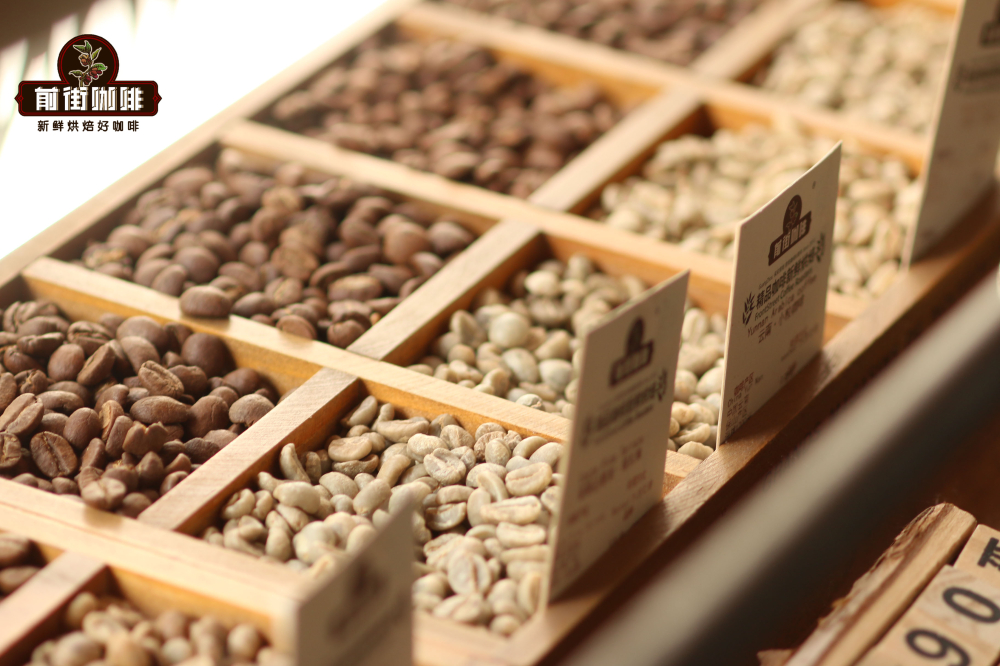
In addition to defect control, Colombia also classifies green beans according to their mesh size. Mesh size refers to the proportion of green beans that pass through sieves with specific aperture sizes—the higher the sieve number, the larger the volume of beans that pass through. Generally speaking, larger green beans often mean that the coffee cherries were harvested at a better stage of ripeness, which not only helps achieve even heating during roasting but also makes it easier to showcase rich and consistent aroma profiles. Common sieve sizes used in Colombia include 12, 14, 15, 17, and even higher, with beans above 17 mesh typically classified as Supremo grade, representing a high-end specification in the export market.
The three most commonly exported grades by FNC are: Excelso UGQ 12*60 (1.5%), Excelso EP 12*60 (10%), and Excelso Supremo 12*60 (5%). Among them, UGQ (Usual Good Quality) represents general high quality, requiring green beans to be at least 14 mesh in size, allowing 1.5% of beans between 12 and 14 mesh, and having more than 50% of beans larger than 15 mesh. EP (European Preparation) is a common European market customization specification, requiring green beans to be 15 mesh or larger, but allowing 10% of beans smaller than 15 mesh (though still larger than 14 mesh). As for the Supremo grade, it is the most stringent category, requiring green beans to be at least 17 mesh, allowing only 5% below this standard, and also requiring more than 50% of beans to be larger than 15 mesh.
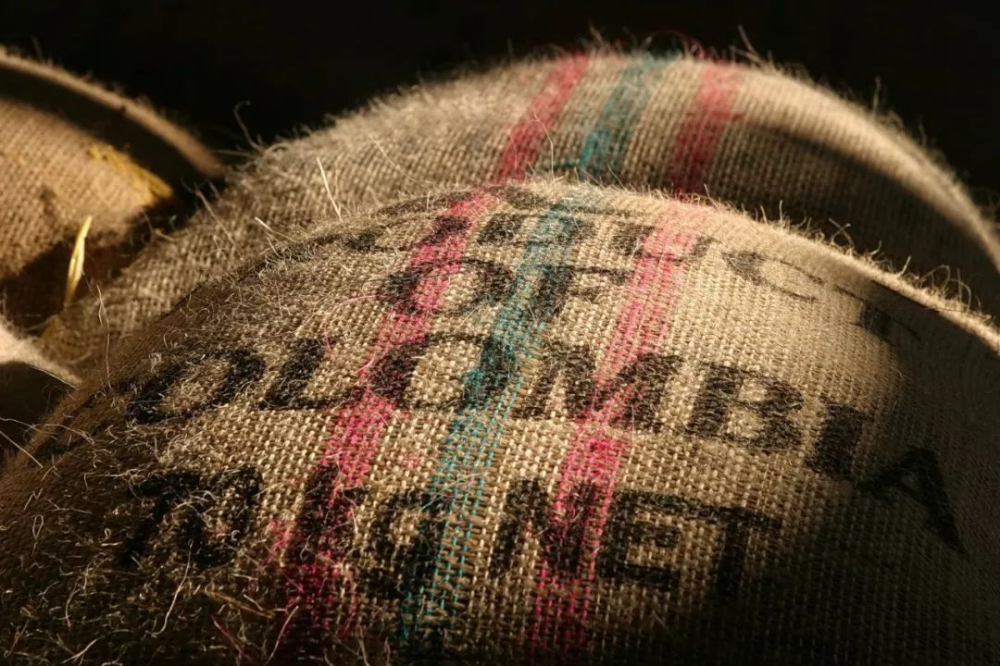
In addition to the commonly seen grades, Colombia has more detailed classifications, such as Extra for beans above 16 mesh, Premium for beans above 18 mesh, and the Minama grade where bean sizes are nearly uniform at 15 mesh. It’s important to note that not all Colombian green beans meet the Excelso export standard; beans that do not meet the criteria are usually labeled as “Product of Colombia,” often used for commercial-grade coffee or instant coffee products. Additionally, Colombian green beans are meticulously recorded for origin, farm code, and processing information before export, ensuring traceability. The typical export naming format includes the country, region, grade, and other technical parameters—for example, the common “Colombia Huila Supremo SC17/18 FNC” refers to Supremo-grade green beans from the Huila region.
Colombia’s Huila region is renowned for its washed processing method. With abundant water resources, many small family farms are equipped with professional depulping equipment (such as Ecomill or Eco-Pulper). After harvesting, the coffee cherries are machine-processed to remove the outer skin and pulp, with only a small amount of water needed to wash off most of the mucilage. The mucilage-covered parchment beans are then placed in small fermentation tanks (such as tile tanks) overnight to allow the residual mucilage to loosen naturally. The next day, they are thoroughly rinsed with clean water and finally spread out to dry until the target moisture content is reached. This process not only reduces the defect rate but also preserves the original flavor characteristics of the coffee beans, resulting in green beans with high cleanliness and rich complexity.
For Supremo-grade coffee beans from the Huila region, a medium-dark roast is recommended to enhance their nutty and chocolatey notes, bringing out a rich and balanced mouthfeel. For actual pour over brewing, it is suggested to use a KONO filter, with a water temperature of 90°C, a 1:15 coffee-to-water ratio (15 grams of coffee to 225 milliliters of water), and a grind size adjusted to a medium fineness—approximately 75% passing through a standard 20-mesh sieve. The specific steps are as follows: first, pour about 30 grams of water (twice the coffee dose) for a 30-second bloom. Then, pour water in a slow, circular motion from the center outward using a thin stream. When the total water volume reaches 125 grams, pause the pour. Once the coffee bed has settled to the middle of the filter, continue pouring until you reach 225 grams in total, keeping the overall extraction time around 2 minutes. This approach will fully highlight the chocolate, nut, and caramel aromas of the Huila beans, delivering a smooth, rich cup with soft acidity and a clean, refreshing aftertaste—perfect for beginners looking to explore the origin, while also satisfying advanced enthusiasts seeking deeper regional flavor profiles.
The above content is compiled by CoffeeHunters, a coffee news website.


