








Introduction:Latte is often many people’s first step into the world of coffee, but do you know the coffee-to-milk ratio and key brewing techniques behind it? This article dives deep into the definition of a latte, extraction essentials, and how to make café-quality milk coffee at home using different methods. It also explores whether adding milk to pour over coffee equals a latte, and provides specific parameters for high-concentration manual brews along with recommended beans to help you easily master the essence of milk coffee.
Latte coffee (Caffè Latte) is arguably a perennial favorite on café menus, but many people’s understanding of it stops at “a drink with coffee and milk.” In reality, a true latte consists of espresso and steamed milk, with specific ratios and techniques. To make a smooth, milky latte at home, in addition to understanding the basic structure, you also need to master details such as bean selection, grind size, brew time, and milk foam texture.
In Italy, "Latte" simply means "milk," while "Caffè Latte" is the proper term for "coffee with milk." However, the lattes commonly served in modern cafés typically refer to a milk coffee based on one or two shots of espresso, paired with a large amount of steamed milk foam. Due to the high milk content, these milk coffees have a milder flavor, making them suitable for coffee beginners and thus highly popular in the market. But the key to making this milk coffee truly delicious lies in the quality of the espresso and the handling of the milk foam.

First, let’s talk about the basic structure: a standard latte usually consists of around 30ml of espresso, plus about 240ml of hot milk, with a small amount of fine microfoam in the middle for latte art, depending on preference. To make this drink, you’ll need an espresso machine and suitable coffee beans. Generally speaking, light roast beans, due to their pronounced acidity and difficulty in full extraction, can lose their character when paired with a lot of milk, even making the overall taste feel thin. Therefore, it’s recommended to choose medium-dark or dark roast blends or single-origin beans, which usually have richer chocolate, nutty, or caramel notes that pair better with milk.
If you’re just starting to try making it at home, it’s recommended to use a blend specifically designed for espresso. This type of blend typically combines Indonesian Mandheling and Brazilian beans—the former brings rich spice and earthy flavors, while the latter provides stable sweetness and body. Robusta may also be added, which can effectively enhance the crema’s thickness and texture, making it very suitable for practicing latte art and improving the overall richness of the drink.
For specific operations, it’s recommended to weigh about 20 grams of coffee grounds, distribute them evenly in a suitable portafilter, and tamp firmly to create a compact and level puck. Then extract about 40 grams of coffee liquid under a pressure of 9–10 bar, with an ideal extraction time between 25 to 30 seconds, and a coffee-to-water ratio of about 1:2. The espresso extracted this way will have bright acidity, rich crema, and sufficient strength to support the large amount of milk added later.

For the milk, it’s recommended to use fresh chilled whole milk, which has a higher fat content and can form delicate and smooth microfoam when steamed, resulting in a smoother mouthfeel. Pour about 240 milliliters of milk into a pitcher, use the steam wand of the espresso machine to heat the milk to 55–60°C, while steaming about 0.3–0.5 centimeters of fine microfoam. During steaming, pay attention to controlling the angle and depth to avoid over-frothing, which can lead to rough foam or large bubbles. When the foam has a uniform texture and feels smooth, you can combine the hot milk with the previously extracted espresso, and use the remaining microfoam for simple latte art decoration. Your latte, combining both visual appeal and taste, is now complete.
Many readers may ask: if you don’t have an espresso machine at home, can you make a latte by adding milk to pour over coffee? The answer is yes, but such a combination does not meet the traditional definition of a latte. Pour over is a drip filtration method, and its overall flavor tends to be clean and layered, but with lower concentration and lacking the crema and oily texture unique to espresso. If it’s just for convenience, mixing black pour over coffee with milk can indeed produce a milk coffee-like drink, but if you’re aiming for the rich and thick taste similar to that in cafés, it’s recommended to use other high-concentration brewing methods instead.
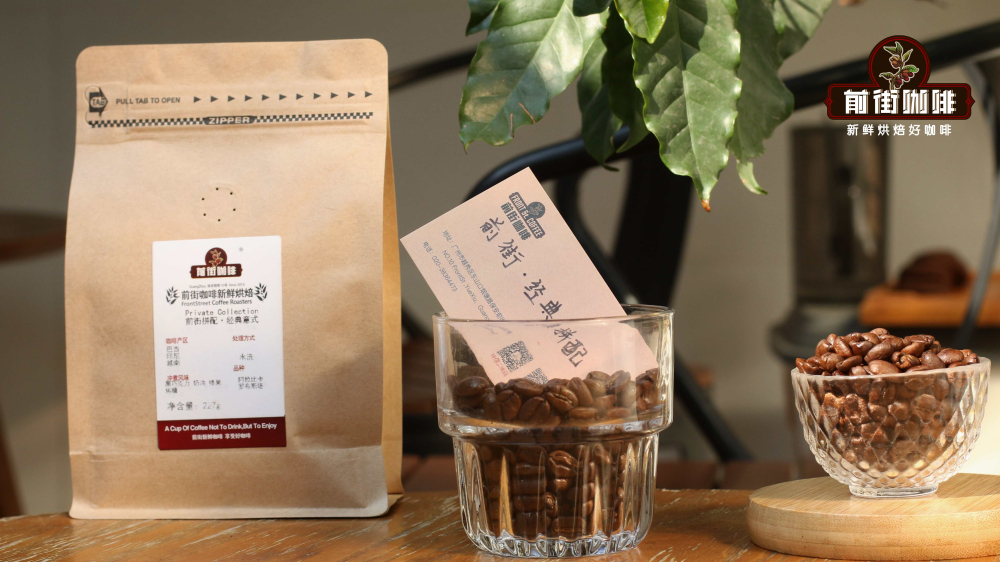
If you don’t have a professional coffee machine at hand but still want to make a rich and solid-textured milk coffee, you can try using a high-concentration immersion brewing method. This approach doesn’t require expensive equipment—just coffee grounds, hot water, and a filter cup are enough. For the method, it’s recommended to choose medium-dark or dark roasted beans, which, due to their high roasting degree, usually have a richer flavor and are more likely to release sweetness and body, pairing more smoothly with milk.
For example, you can choose a dark roast blend. If you prefer fruity and fermented notes, you can also opt for options with higher fermentation levels—these beans often showcase complex flavors such as strawberry, white floral, and berries after immersion. In practice, you can mix about 20 grams of coffee grounds ground extremely finely (close to powdered) with 80 milliliters of hot water above 95°C, stir well and let it steep. It’s recommended to perform two 3-minute immersions, stirring gently in between, which helps improve overall extraction efficiency and flavor release.
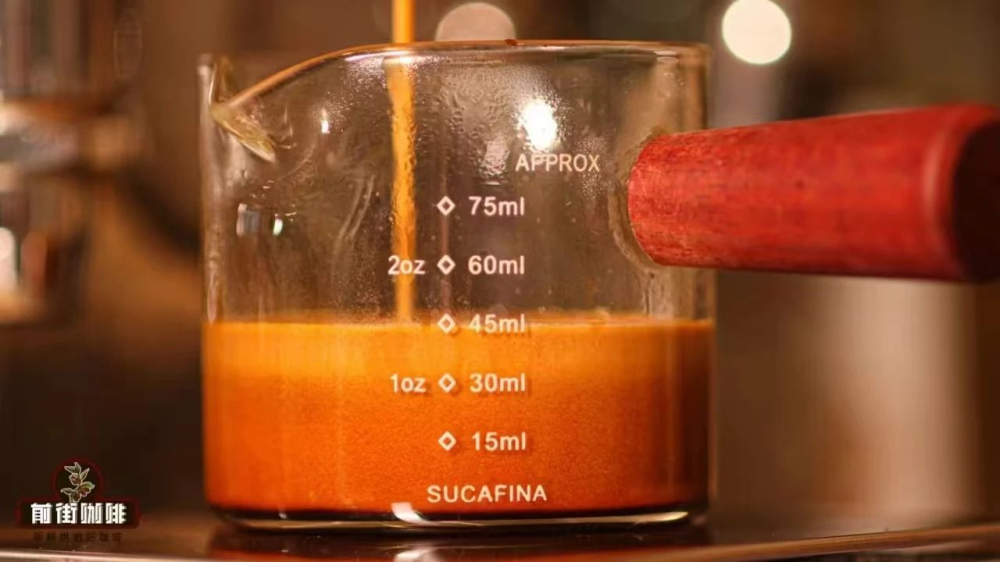
First immersion: After adding hot water, stir for about 30 seconds and let it sit for 3 minutes.
Second immersion: Stir again for 30 seconds, then let it sit for another 3 minutes.
After the immersion is complete, use a paper filter or fine mesh strainer to remove the coffee grounds, and you’ll get a high-concentration handmade coffee liquid. Since the concentration of the coffee liquid extracted this way is still not as strong as espresso, it’s recommended to mix it with milk at approximately a 1:3.5 ratio—for example, 36 milliliters of coffee liquid to 126 milliliters of milk—to achieve a milk coffee with balanced taste, featuring both milk and coffee aromas.

Although this handmade high-concentration immersion method cannot fully replicate the oily crema effect of an espresso machine, as long as you master the grind and steeping time, you can still achieve a fairly full-bodied taste and rich aroma. Especially when using beans with noticeable fermented flavors or darker roasts, it can highlight charming coffee traits such as strawberry taffy, caramel, and nuts.
In summary, the charm of latte coffee lies not just in the simple combination of coffee and milk, but in the precise balance of every step. Whether you’re making a traditional latte with an espresso machine, or creating your own version of milk coffee with pour over or immersion methods, as long as you understand the characteristics of the beans, grinding details, and extraction essentials, you can enjoy a flavorful and smooth milk coffee at home. Feel free to experiment and find the latte method that best suits your taste!
The above content is compiled by CoffeeHunters, a coffee news website.


