







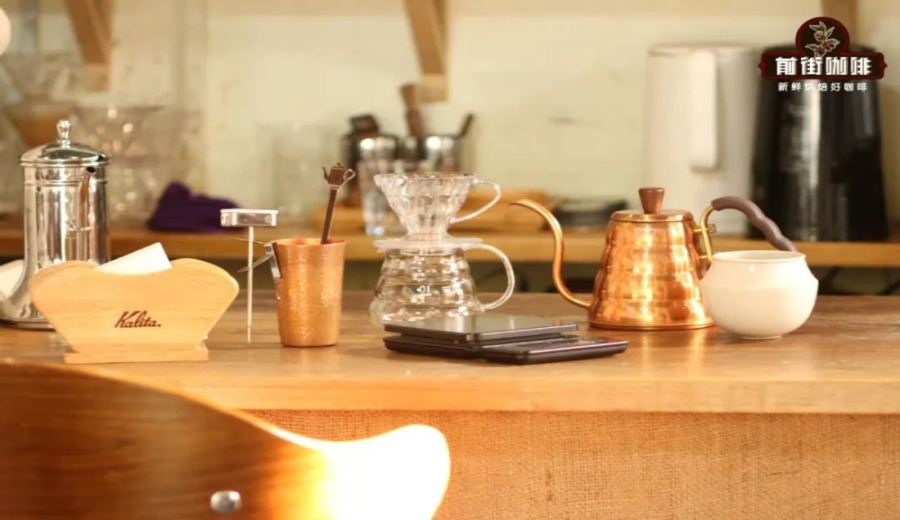
Introduction:For beginners who are just getting into pour over coffee, it can be overwhelming to choose from the wide variety of equipment and coffee beans available. This article will systematically introduce the key points in selecting essential pour over gear, including how to choose freshly roasted coffee beans, picking a high-value-for-money grinder, a gooseneck kettle suitable for newcomers, as well as practical advice on filters, filter paper, and digital scales. Through clear, step-by-step guidance, it helps you build a functional pour over setup within a limited budget and gradually explore the mysteries of coffee flavors.
Many people who have just started exploring specialty coffee quickly develop the desire to brew at home. When opening an e-commerce site, faced with a vast array of pour over tools ranging from entry-level to professional models and spanning a huge price range, it’s easy to feel at a loss. How can you put together a basic setup capable of brewing good coffee within a reasonable budget? The key lies in prioritizing — allocate most of your budget to the most important piece: the grinder. Other equipment can start with more basic models, then be gradually upgraded as you become more familiar with extraction techniques.
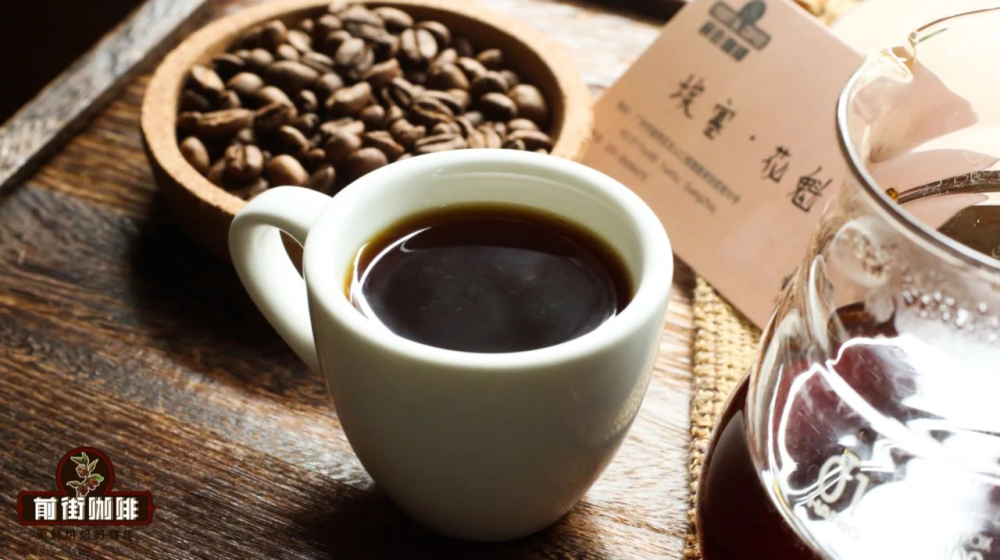
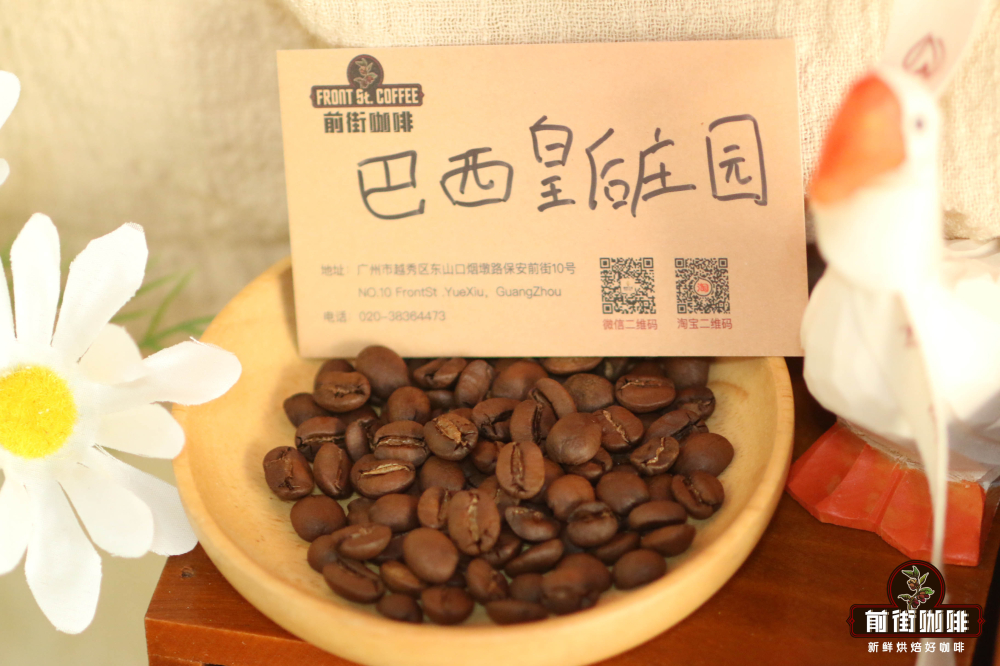
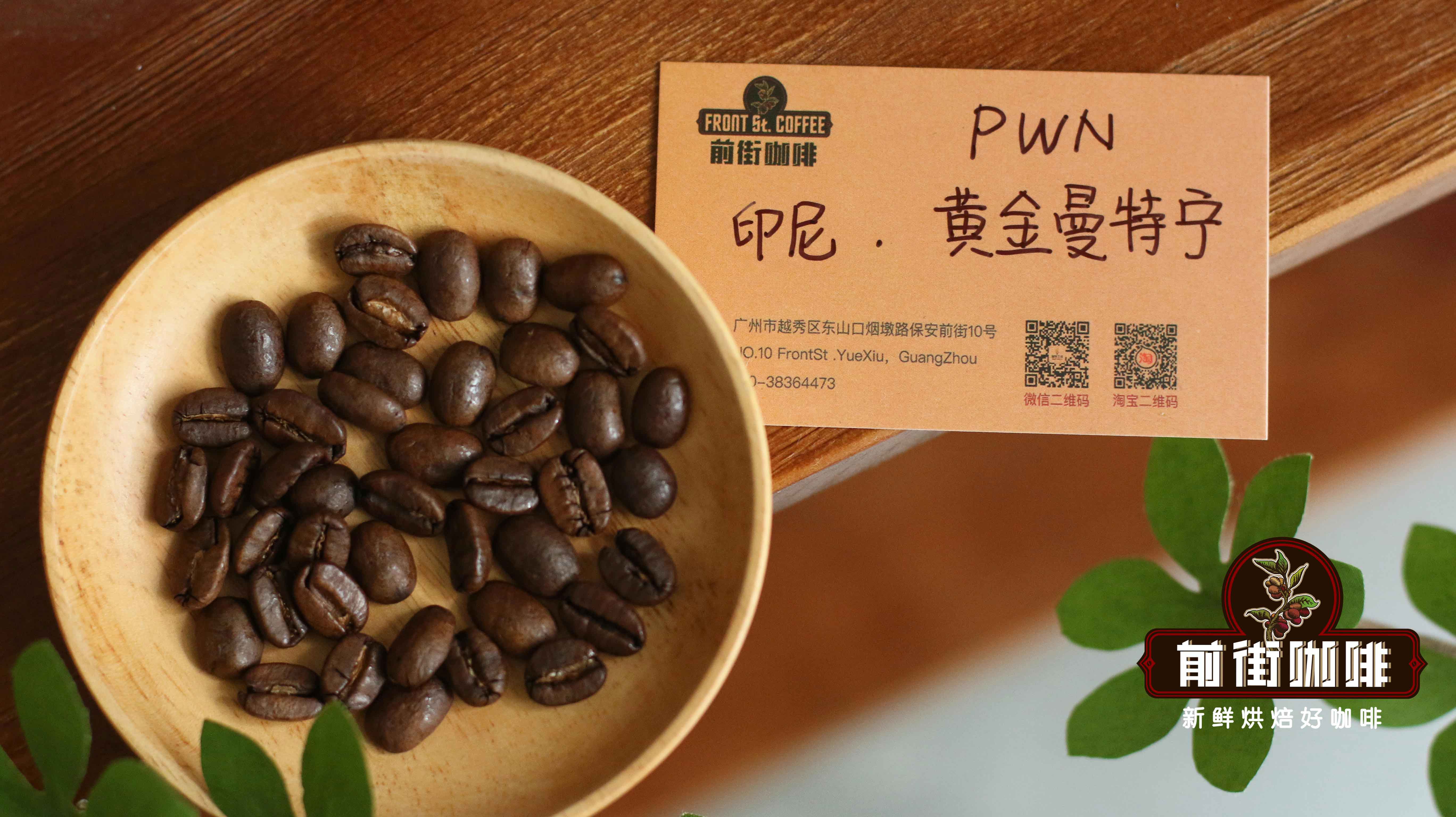
The first step is to select high-quality coffee beans that have been freshly roasted. Coffee flavor begins to change gradually after roasting, especially as aroma dissipates quickly once ground, so the freshness of the beans directly affects the brewing performance. Ideally, the best flavor window for pour over coffee beans is within 45 days post-roast. During this period, the beans can exhibit the richest layers of aroma. Beans of different roast levels are all suitable for pour over, but single-origin coffee beans often showcase more distinct regional characteristics. Depending on personal taste preferences, you can opt for bolder options: if you enjoy bright fruit acidity and floral notes, try lighter roasted beans; if you prefer nutty tones and balanced flavors, medium roast beans are more suitable; if you don’t like acidity and are looking for rich, full-bodied dark chocolate and cocoa notes, then darker roasted beans are the way to go.
The second step is to focus your limited budget primarily on the grinder. No matter your total budget, a grinder that can achieve uniform grind size is the key to successful pour over. Inconsistent grind sizes lead to uneven extraction, resulting in some grounds being over-extracted and others under-extracted. On the market, some low-cost hand grinders, or even non-specialized “bean choppers,” may be cheap, but they produce a wide variation in particle size, making it difficult to control extraction. The core difference in grinders lies in burr design; high-quality burrs ensure uniform coffee particle size, allowing hot water to evenly extract flavor compounds. For beginners, it’s recommended to choose a hand grinder priced no lower than 200 RMB, as models in this price range typically offer better grind consistency. You can evaluate grind uniformity using a standard #20 sieve with a 0.85mm aperture — a simple and effective method.
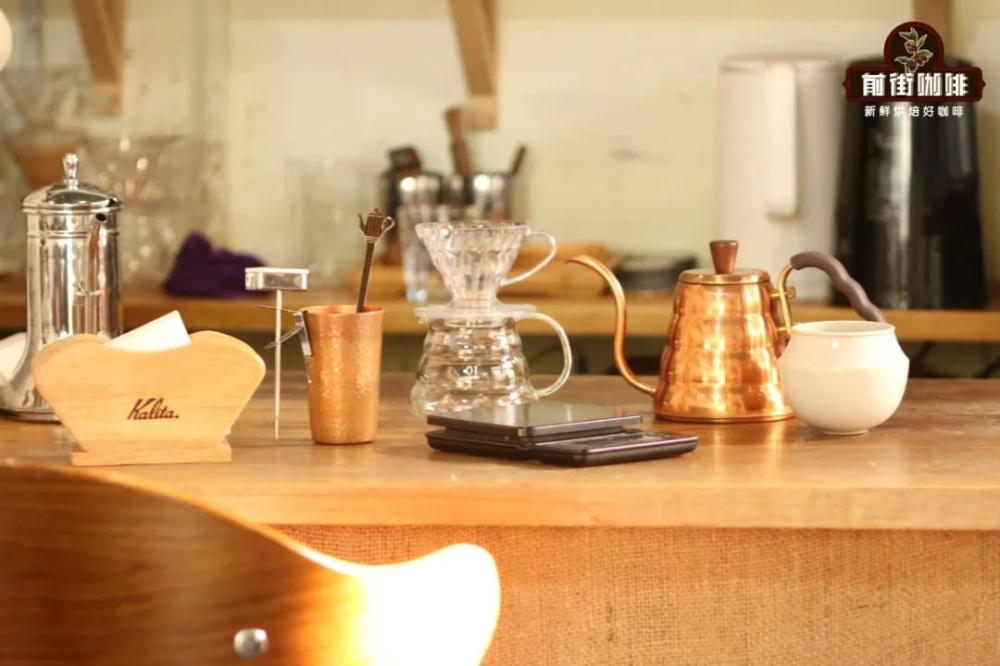
The third step is choosing a pour over kettle suitable for beginners. The pouring process has a significant impact on pour over coffee, so spout design and kettle capacity are two key factors. For beginners, it’s recommended to choose a gooseneck kettle with a fine spout, as this design helps you more stably control the direction and speed of the water flow. In terms of capacity, 500 to 600 ml is a suitable range — it meets the water volume needed for a single brew without being too heavy, which could affect handling stability. Pour over kettles come in two types: those with temperature control and those without. If you already have a reliable hot water source at home, you can opt for a kettle without heating functionality, which saves on budget, but you’ll need to use a thermometer to precisely control water temperature.
The fourth step is about choosing the right filter cone and filter paper. Although the filter cone is a small accessory in the pour over process, it has a significant impact on extraction stability. The price differences among filter cones on the market mainly lie in patented designs, materials, and appearance. For beginners seeking value for money, a resin V60 filter cone is a good choice — it provides good extraction performance without adding too much cost. Filter paper may seem simple, but it has a non-negligible impact on the final flavor of the coffee. It’s recommended to choose filter paper from reputable brands, as these are usually rigorously processed to reduce paper taste interference with the coffee. Between unbleached and bleached filter papers, bleached ones generally have a milder paper taste and better preserve the original flavor of the coffee. The size of the filter paper should match the model of the filter cone you’re using.
Finally, a digital scale is an indispensable tool. Precisely controlling the ratio of coffee grounds to water volume is key to stable extraction. Using a digital scale with a timer function can help you record brew time, thereby better managing the extraction rhythm. Some beginners might try brewing by feel, but this often leads to significant flavor variations between brews. Additionally, while a server for catching the brewed coffee isn’t essential, a professional server can enhance the overall brewing experience. If your budget is tight, a regular cup can serve as a temporary substitute, but professional equipment is usually designed with pour over needs in mind.
In summary, for those just starting out with pour over coffee, it’s recommended to prioritize investing in a reliable grinder, as it is the most critical factor affecting coffee quality. Other equipment such as the pour over kettle, filter cone, and digital scale can start with basic models, and you can get familiar with various parameters and techniques through actual brewing practice. As you gain experience, you can gradually upgrade your gear based on your personal taste preferences and extraction needs. Remember, the charm of pour over coffee lies in continuously trying and adjusting to find your own ideal flavor balance.
The above content is compiled by CoffeeHunters, a coffee news website.


