








Introduction:Ethiopia is a key origin of specialty coffee worldwide, boasting rich regional characteristics and diverse processing methods. From the citrus notes of Yirgacheffe to the wine-like flavors of Harrar, each coffee variety embodies unique terroir characteristics. This article delves into Ethiopia’s nine major coffee-growing regions, analyzes the differences between washed and natural processing, and provides detailed cupping profiles and practical brewing parameters to help coffee enthusiasts—from beginners to advanced—fully grasp the allure of Ethiopian coffee.
Known as the birthplace of coffee, Ethiopia’s coffee culture is not only deeply rooted in daily life but also holds a significant place in the global specialty coffee market. From ancient coffee ceremonies to diverse cultivation models and processing techniques, Ethiopian coffee is celebrated for its bright acidity, rich floral aromas, and clear flavor layers. This article will explore the distinctive flavors of Ethiopia’s nine major regions, examine the evolution of the two main processing methods—washed and natural—and offer comprehensive guidance on Ethiopian coffee through actual cupping results and brewing recommendations for both newcomers and experienced enthusiasts.

In Ethiopia, coffee is more than just a beverage—it is at the heart of social interaction and culture. Families, regardless of wealth, hold solemn coffee ceremonies, a tradition that has continued since ancient times and remains an important ritual in daily life. Legend has it that a shepherd named Kaldi discovered coffee after noticing his goats becoming lively and excited after eating red berries from a certain tree. Although the story may not be entirely true, Ethiopians’ love and reverence for coffee are deeply ingrained in their blood.
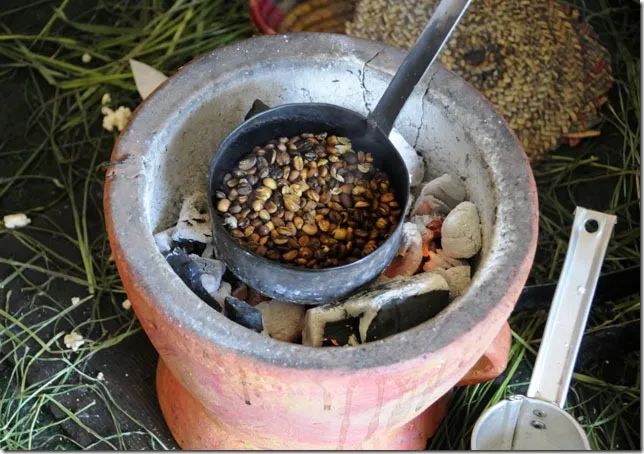
The traditional Ethiopian coffee ceremony is highly distinctive, consisting of three rounds known as Abol, Tona, and Beraka, symbolizing blessings, communication, and joy. Coffee beans are roasted in a pan, then ground with a mortar and pestle, and brewed in a clay pot called a jebena. The process releases a rich aroma, often enjoyed with traditional bread. In the Ethiopian language, coffee is called “bunn” or “buna,” and it is believed that the English word “coffee” originates from the Ethiopian region of Kaffa, highlighting its cultural roots.
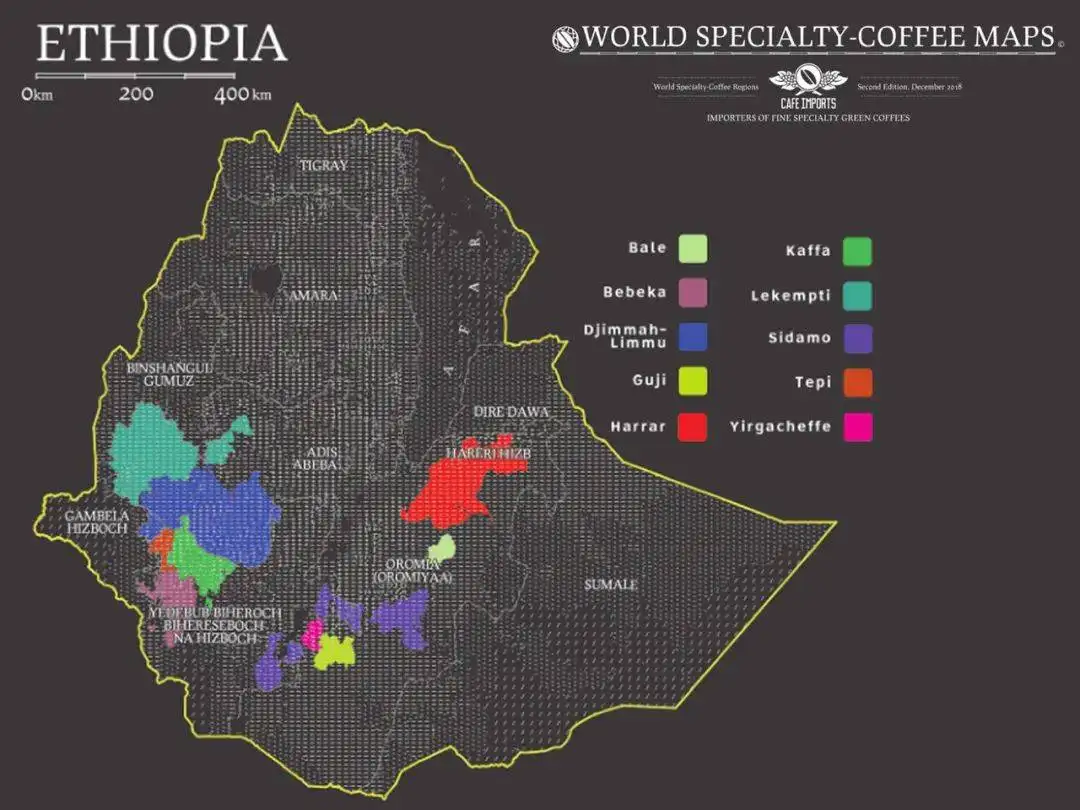
Ethiopia’s geographical environment is uniquely favorable, with its highland terrain, high altitude, and varied climate providing ideal conditions for coffee cultivation. The country primarily features four cultivation models: forest, semi-forest, garden, and large plantation, with garden coffee being the most common. Farmers often intercrop coffee trees with other plants such as bananas, maintaining ecological balance while enhancing the complexity of coffee flavors. The nation’s five major regions and nine key producing areas—including Yirgacheffe, Sidamo, and Harrar—each showcase distinct regional characteristics. Though Yirgacheffe is a small town, it is a significant origin for specialty coffee.
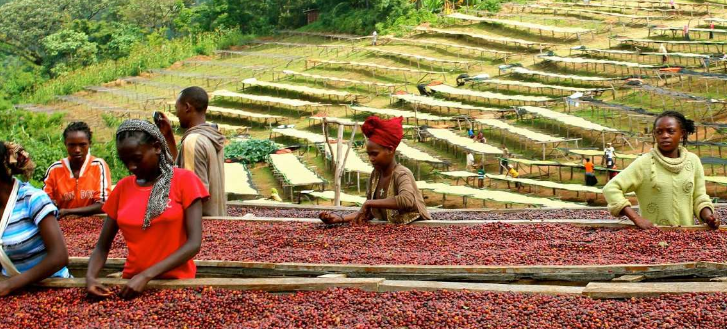
Ethiopian coffee is mainly processed using washed and natural methods, with notable differences in flavor. The washed method, introduced in 1972, is favored for improving bean consistency and cleanliness. This method requires a stable water source and professional equipment, using fermentation and washing to remove the fruit pulp, resulting in bright citrus notes and delicate floral aromas. For example, washed Yirgacheffe beans often exhibit flavors of lemon, passionfruit, and tea, with a refreshing and layered mouthfeel.
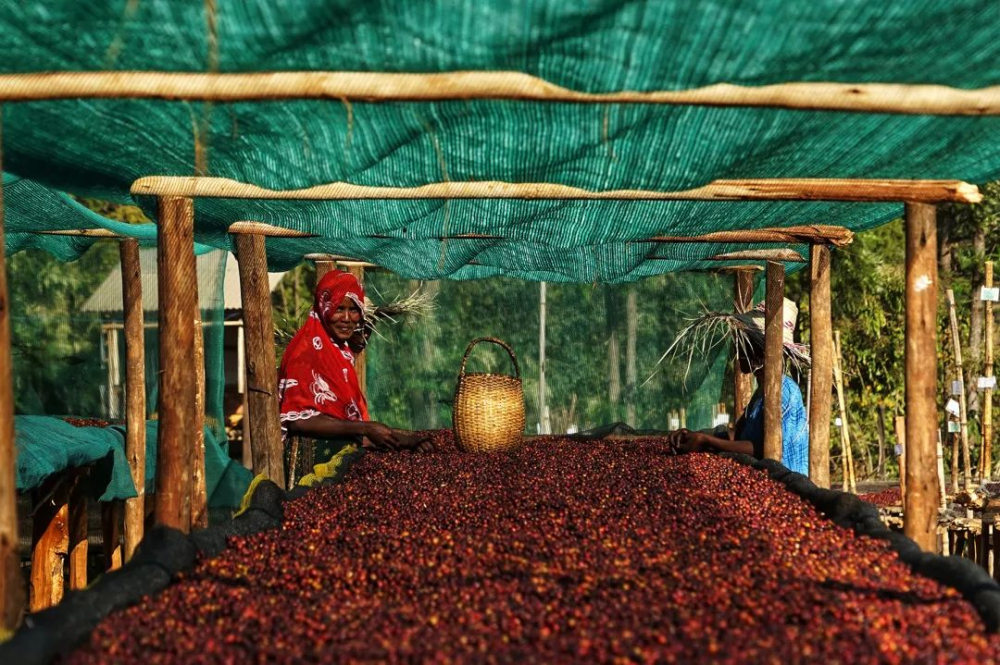
In contrast, the natural (sun-dried) process is more traditional, but modern techniques have significantly improved in recent years. Contemporary natural processing carefully selects ripe red cherries and uses facilities like African raised beds to control the drying environment over approximately 27 to 30 days, allowing the natural sugars in the fruit pulp to penetrate the beans. This results in rich tropical fruit aromas and a sweet, full-bodied taste. The Red Cherry Natural beans in the product lineup are a classic example, offering intense flavors, complex layers, high sweetness, and a long-lasting finish.
The flavor profile of Ethiopian coffee is highly diverse, ranging from bright acidity to rich sweetness, with each region offering its own specialties. Washed Yirgacheffe is known for its citrus, floral, and tea-like characteristics, suited for medium to light roasting to highlight its delicacy and vibrancy. In contrast, natural-processed beans showcase the lush tones of berries, honey, and ripe fruits, with a rounder and fuller mouthfeel. An example is the Sidamo Huakui coffee, which has nutty and honey aromas in the dry scent, followed by intense sour-sweet notes of passionfruit and strawberry on the palate, with a full body and a cocoa-layered finish.
For beginner coffee enthusiasts, it is recommended to start with a washed Yirgacheffe everyday coffee bean. Its flavors are fresh and clear, making it ideal for daily drinking. This bean has a base of honey and jasmine floral notes, releasing berry and lemon tones after brewing, with a sweet and clean finish. For pour over brewing, it is suggested to use a V60 filter, with a water temperature of about 92–93°C, a coffee-to-water ratio of 1:15, and a grind size close to superfine sugar (78% passing through a #20 sieve). Using a three-stage pouring technique can effectively highlight its fruity acidity and aromatic layers, making it suitable for reproducing professional flavors at home.
Regarding brewing parameters, it is advised to pour double the amount of water as coffee grounds for a 30-second bloom, followed by slow circular pouring to reach 125 grams, then pausing until the water level drops before pouring again to reach 225 grams for complete extraction. The total time should be controlled to around 2 minutes. These parameters help balance acidity, sweetness, and body, catering to those who prefer a clear flavor profile. If a richer taste is desired, slight adjustments to water temperature or grind size can be made to find the perfect combination for your palate.
In summary, the diversity of Ethiopian coffee stems from its rich growing regions, unique processing techniques, and traditional cultural background. Whether it’s the bright and clean washed beans or the rich and sweet natural beans, each offers a distinct sensory experience for coffee lovers. By understanding the characteristics of each region and processing method, and pairing them with appropriate brewing skills, you can delve deeper into the enjoyment of this black gold from the African highlands.
The above content is compiled by CoffeeHunters, a coffee news website.


