







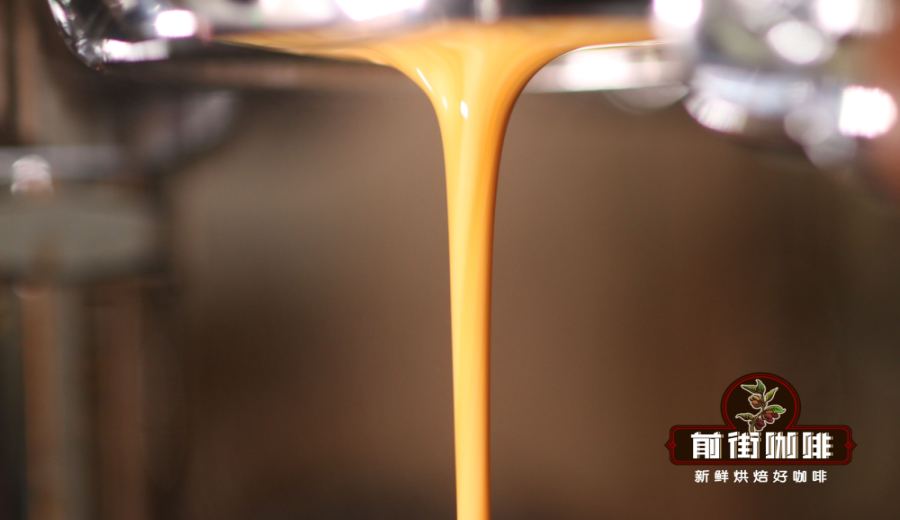
Introduction:Delve into the essence of crafting espresso by exploring its fundamental definition, historical background, extraction parameters, and flavor characteristics. This article provides a comprehensive breakdown of how to extract rich, velvety espresso with pronounced layers through precise control of dose, water temperature, pressure, and time. Not only does it introduce the standard procedures of a certain café, but it also shares practical operational details and cleaning tips to help coffee enthusiasts master the key to an ideal shot of espresso.
Espresso, also known as concentrated coffee, is a strong black coffee extracted by forcing hot water under high pressure through finely ground coffee beans. It is characterized by an intense flavor, concentrated aroma, and a layer of golden crema on the surface. Although espresso rarely appears alone on the menus of many cafés, it serves as the foundational base for classic drinks such as Americano, latte, and cappuccino, making it the very soul of coffee beverages.
This extraction method originated in Italy in the 19th century. To reduce brewing time and enhance intensity, baristas began using pressurized steam to push hot water through a compacted puck of coffee grounds, significantly improving extraction efficiency. This eventually evolved into the semi-automatic and fully automatic espresso machines we see today. Traditional espresso often used very dark roasted beans, sometimes even blended with Robusta, resulting in a bold, bitter, and harsh flavor best enjoyed in small sips. However, with the rise of specialty coffee, modern espresso places more emphasis on balanced flavor and layered complexity, often showcasing wine-like and berry notes, with a smoother and more approachable mouthfeel.
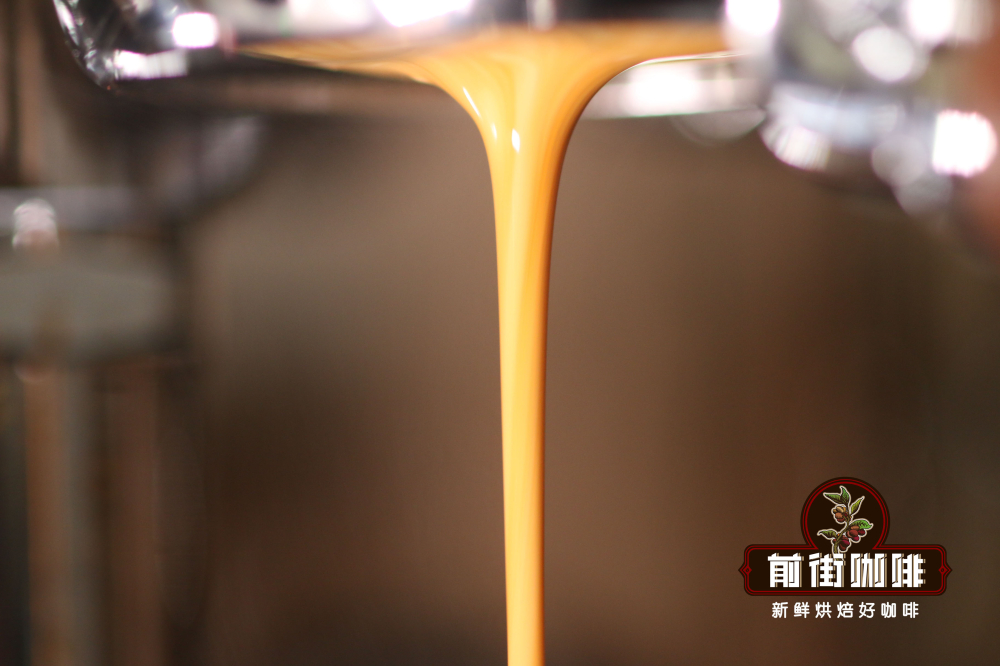
A standard shot of espresso is typically based on a double dose (about 18–20 grams) of coffee, extracted using 9–10 atmospheres of pressure and water heated above 90°C. The process takes 20–35 seconds to yield 36–48 grams of espresso liquid. A common brew ratio is 1:2—for example, 20 grams of coffee grounds yielding 40 grams of espresso—usually within a 28–30 second timeframe, achieving optimal flavor expression and crema thickness. However, these parameters may need to be adjusted based on bean freshness, grind size, humidity, and other variables.
Before extraction, ensure the portafilter basket is dry and the dose is accurate. Use a distribution tool to evenly spread the coffee grounds, then apply consistent tamping pressure with a tamper to create a level and compact puck. This step is crucial; uneven pressure or an irregular puck surface can cause channeling, leading to over-extraction or under-extraction. Next, run a small amount of water (1–2 seconds) to pre-wet the group head and flush out old coffee residue. Then place the cup under the spout and tare the scale to begin the actual extraction.
Align the portafilter with the group head and start the extraction. Observe the flow rate and color changes of the espresso. Once the target output weight (e.g., 40 grams) is reached and the time falls within the ideal range (around 28–30 seconds), stop the extraction. If the shot pulls too quickly, the flavor may turn thin and overly acidic; if it takes too long, it risks becoming burnt or overly bitter. Moreover, due to variations in weather, humidity, and bean roast levels, it's recommended to flexibly adjust dose, grind size, and extraction time to maintain consistency.
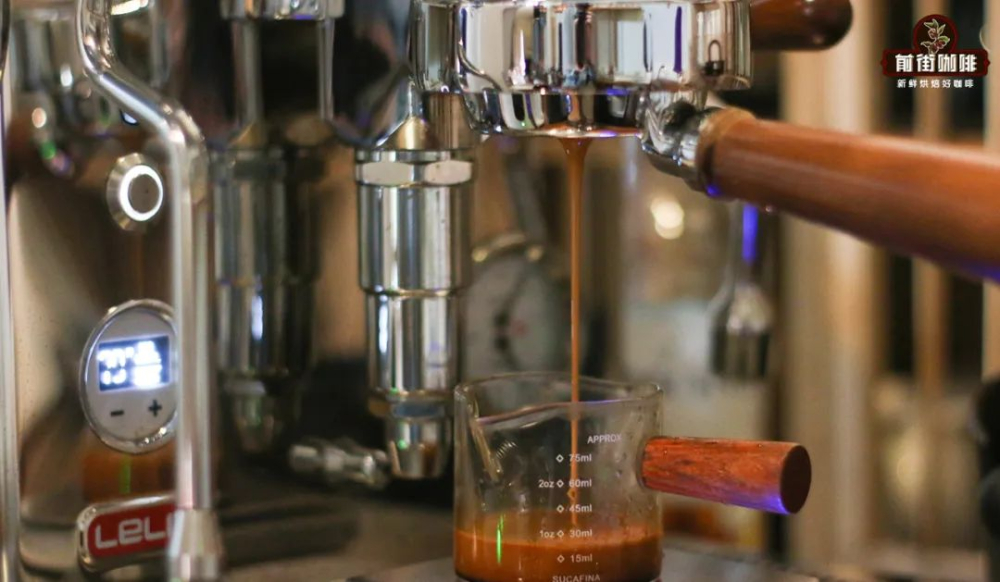
Beyond basic parameters, operational details should not be overlooked. Even distribution and consistent tamping directly impact extraction stability and final flavor. Channeling—where water finds and flows through uneven pathways in the puck—can cause localized over-extraction, leading to sharp, unbalanced flavors. Additionally, take care when locking the portafilter into place; mishandling can cause the puck to shift or crack, further degrading extraction quality.
After extraction, it’s advisable to immediately remove the portafilter and rinse the shower screen to clear away leftover coffee grounds. These fine particles, if left on the group head, can not only affect the flavor of subsequent shots when baked by heat but may also lead to machine blockages and hygiene issues. Regular cleaning of the machine’s filter, group head, and portafilter basket is also essential for maintaining extraction quality and prolonging equipment life.
In summary, crafting a great shot of espresso depends not only on high-quality coffee blends and equipment but also on the barista’s precise control over dose, water temperature, pressure, grind size, and time. Understanding the interplay between these variables allows for adjustments that yield the best possible extraction, producing espresso with a fine crema, balanced flavor, and rich complexity. Whether you’re new to coffee or a dedicated enthusiast, mastering these core principles and techniques will give you greater confidence in tackling every extraction challenge.

The above content is compiled by CoffeeHunters, a coffee news website.


