







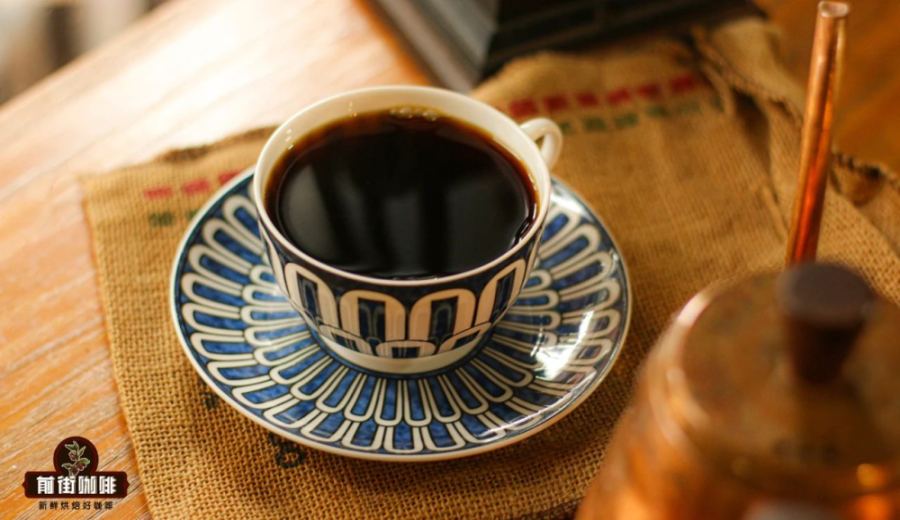
Introduction:Yirgacheffe is renowned for its distinctive floral and fruity aromas and bright acidity, but many coffee beginners worry it might be too sour or noticeably bitter. This article delves into the geographical and processing characteristics of Ethiopia’s Yirgacheffe region, focusing on the classic washed coffee "GuDingDing" to explore how light roasting shapes its fresh fruit notes and tea-like qualities. It also provides practical pour over and cold brew parameters to help you brew a balanced and elegant Yirgacheffe cup.
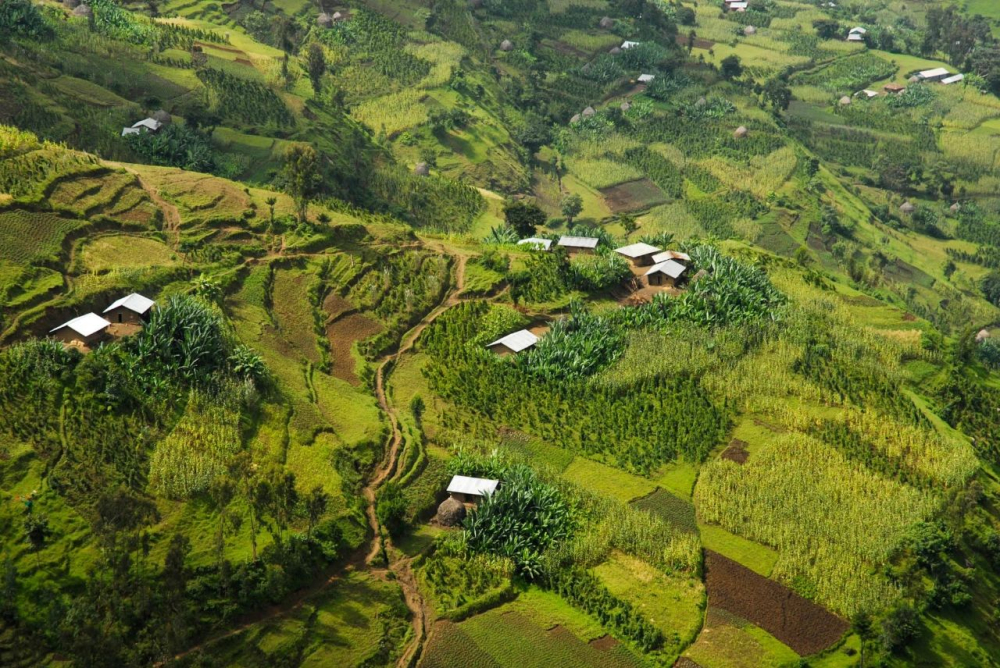
Yirgacheffe is a highland town in southern Ethiopia, situated at an altitude of 1700 to 2100 meters. With its cool, foggy climate and spring-like seasons all year round, coupled with the meticulous, garden-style farming practices of local smallholders, it has become a globally renowned specialty coffee region. Although it was once administratively part of Sidamo, its flavor profile was so unique that it eventually became an independent zone. Today, it is one of Africa’s most representative coffee origins.
When people think of Yirgacheffe, they often associate it with bright lemon acidity, floral notes like jasmine and lemongrass, and sweet fruity finishes such as peach and apricot. The overall profile is refreshing, akin to tea—this is precisely what sets it apart from coffees of other regions. Such flavors typically come from washed processing paired with medium to light roasting, which preserves more of the beans’ inherent fruit acids and delicate aromas, rather than the traditionally perceived heavy bitterness.
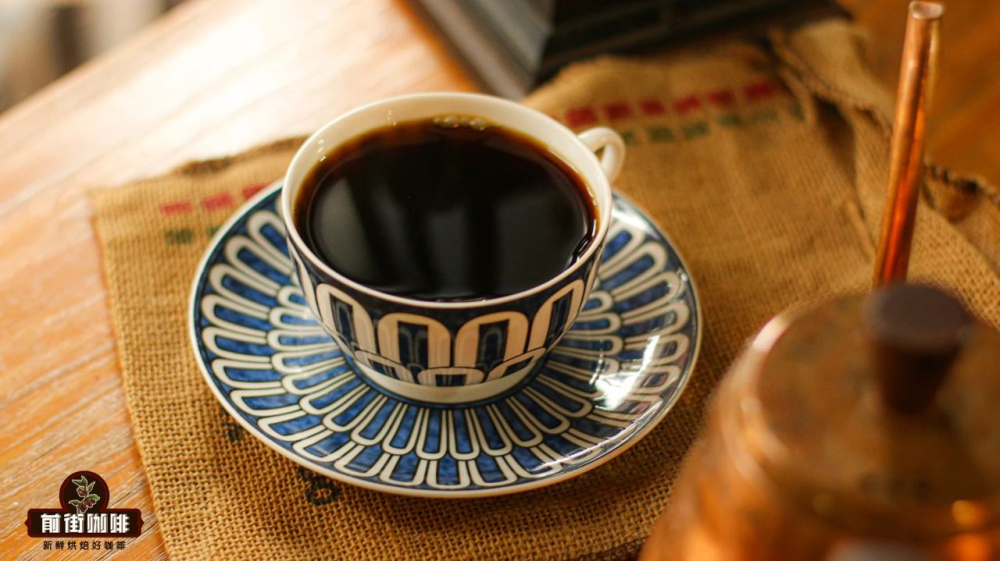
If you want to experience a typical Yirgacheffe flavor profile, the washed "GuDingDing" bean is a great choice. Produced by a local cooperative, this bean benefits from mature processing techniques, resulting in clear flavor layers and high cleanliness. It not only showcases bright citrus and floral notes but also offers a soft tea-like texture and honey sweetness, making it suitable as an everyday drinking bean. Whether you’re a beginner or a seasoned coffee enthusiast, you can appreciate the unique charm of Yirgacheffe through it.
Yirgacheffe coffee beans are generally not recommended to be roasted too dark, as that can easily mask their delicate fruit acids and floral notes. Medium to light roasting strikes the right balance to present its fresh tonality. The dry aroma often carries sweet-tart notes of passionfruit, citrus, and berries, while the brewed cup reveals citrus acidity, berry sweetness, along with subtle almond and tea-like qualities. The finish leaves a mellow, honey-like sweetness. Overall, the body is medium-light, the acidity is vibrant and layered.
Beans with such flavor profiles are suitable for various brewing methods, including pour over, drip bags, cold brew, ice drip, siphon, French press, and even American drip coffee machines. As long as you control the extraction parameters well, you can bring out its most captivating fruit-tea flavors.
Below are the detailed steps for making cold brew coffee using medium-light roasted GuDingDing beans:
Materials and Tools:40 grams of GuDingDing coffee beans, 400 grams of cold water (brew ratio 1:10), a sealed bottle, filter paper or filter mesh
Step 1: Grinding
Grind the coffee beans to a coarseness similar to fine sugar. It is recommended to test with a Chinese No. 20 standard sieve, aiming for a pass rate of about 75%–85%. If using a grinder like the Ek43s, set the grind size between 9.5 and 10.5.
Step 2: Filling the Bottle and Mixing
Pour the ground coffee into the sealed bottle, add 400 grams of room-temperature cold water, tightly seal the bottle, and gently shake for about 10 seconds to ensure the coffee grounds and water are evenly mixed. You may also use a stirring stick to assist.
Step 3: Refrigeration and Extraction
Place the sealed bottle in the refrigerator and let it cold brew for 8 to 12 hours. It is recommended to avoid direct sunlight and high-temperature environments to achieve the best flavor.
Step 4: Filtering and Enjoyment
Once the time is up, use filter paper or filter mesh to strain out the coffee grounds, and your clear cold brew coffee is ready. You can enjoy it immediately or refrigerate it for 1 to 2 days to allow the flavors to further meld, developing a rounder fruit-tea character.
In summary, whether Yirgacheffe coffee tastes “bitter or not” largely depends on the processing method and roast level. Medium to light roasted washed beans, like GuDingDing, are known for their floral and fruity aromas and bright acidity. Far from being bitter, they present a balanced profile of tea-like qualities and fruit sweetness. With the right grinding and brewing techniques, you can easily brew a cup of premium coffee full of Ethiopian character at home.
The above content is compiled by CoffeeHunters, a coffee news website.


