







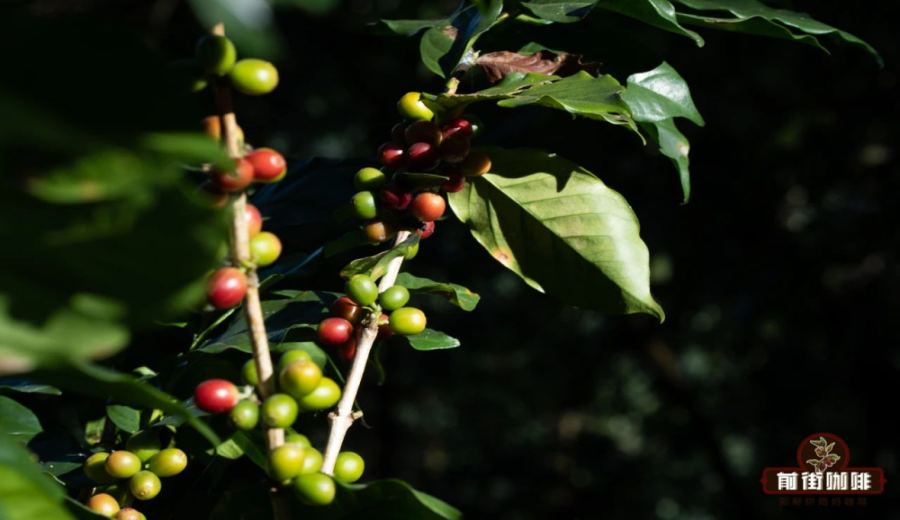
Introduction:From its introduction over a century ago to its current status as a specialty coffee, Yunnan’s small-grind coffee has undergone varietal transitions and industrial evolution. This article takes you deep into the historical trajectory of Yunnan coffee, the characteristics of Typica and Catimor, key factors behind recent quality improvements, and provides practical pour over parameters and flavor descriptions to help you explore the potential of this homegrown Chinese coffee.
The rise of Yunnan small-grind coffee is a century-spanning story of industrial transformation. From the first coffee seedlings introduced by missionaries in the early days to becoming a common sight on the menus of modern specialty cafés, this journey has been full of challenges yet brimming with unlimited possibilities. This article will systematically outline the complete development of Yunnan coffee—from its planting origins and varietal evolution to its current path toward specialty production—focusing on analyzing the characteristics of the two representative varieties, Typica and Catimor, and sharing practical pour over recommendations and flavor profiles to provide coffee enthusiasts with a comprehensive reference for understanding the Yunnan growing region.
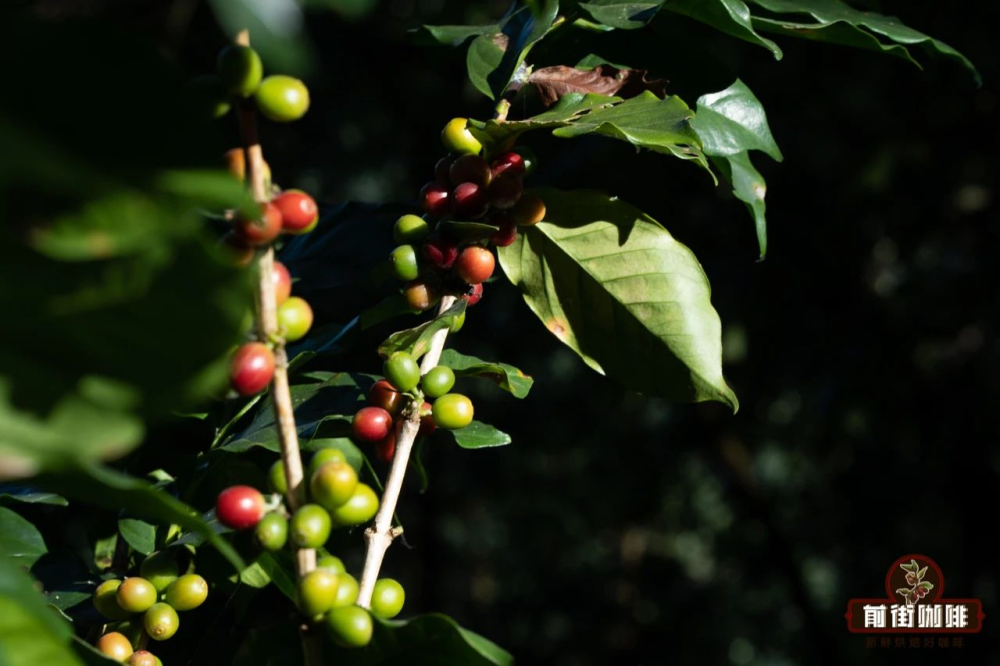
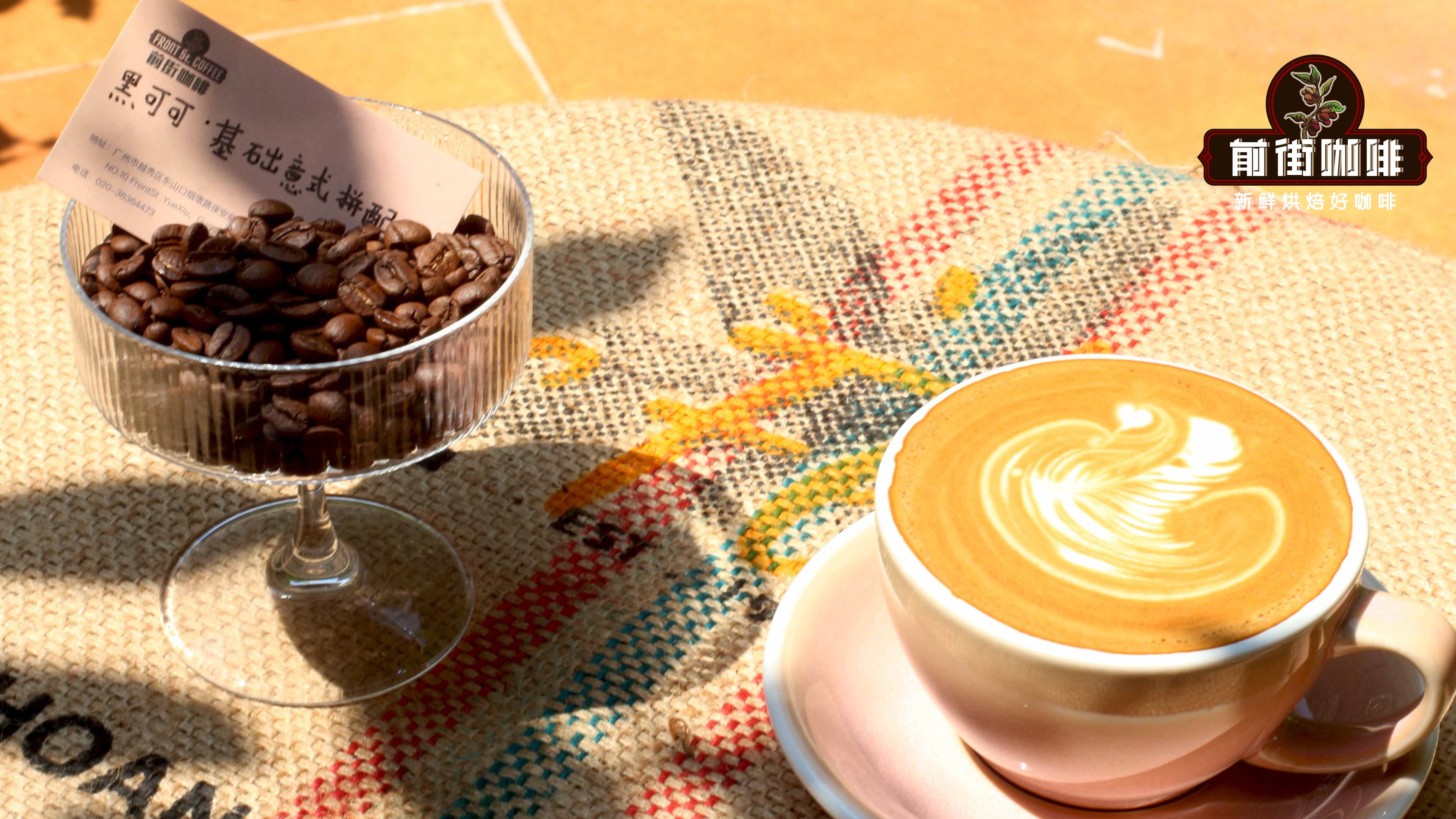
Looking back over a decade ago, many people’s impression of Yunnan coffee was still stuck at the stage of “poor quality and low price,” even keeping them at arm’s length from the Yunnan growing region. However, with the rise of specialty coffee culture, more and more cafés have begun including Yunnan small-grind coffee on their menus, and some baristas even offer options with different processing methods, allowing consumers to experience diverse flavors. For example, some well-known cafés feature three single-origin coffees from Yunnan on their menus: a classic small-grind option for beginners, a Typica showcasing natural sun-dried characteristics, and a dark cocoa blend suitable for making intense espresso. These changes are a microcosm of Yunnan coffee’s gradual move toward specialty quality.
The development of the Yunnan coffee industry began in 1904. That year, French missionary Térence Desgranges planted the first coffee tree in Zhugula Village, Binchuan, Yunnan—an act that unexpectedly kicked off coffee cultivation in China. By the 1950s and 1960s, Yunnan coffee experienced its first expansion period, marking the first time China undertook large-scale commercial coffee planting. In 1952, led by experts from the Agricultural Sciences Academy, Yunnan coffee was primarily supplied to the Soviet market; as early as 1937, patriotic overseas Chinese Liang Jinshan introduced seeds from Myanmar and established a planting area in Luxi Dam, Baoshan. At that time, the main cultivated variety was Typica and its variant Bourbon, with the planting area once reaching 50,000 mu.
However, a global outbreak of coffee leaf rust severely damaged the local coffee industry, wiping out numerous coffee trees and drastically reducing planting areas. It wasn’t until 1988, driven by the reform and opening-up policy, that foreign enterprises such as Nestlé entered Yunnan, bringing technology and market support. They not only introduced the disease-resistant and high-yield Catimor variety but also committed to purchasing beans at international futures prices. This led to another expansion of Yunnan’s coffee plantations and laid the foundation for Catimor becoming the dominant variety. Though classified as Arabica, Catimor has 25% Robusta genetics, gives it strong resistance to rust and high yield potential; however, due to its Robusta lineage, its flavor profile tends to be simpler and often carries what is referred to as a “devil’s tail.”
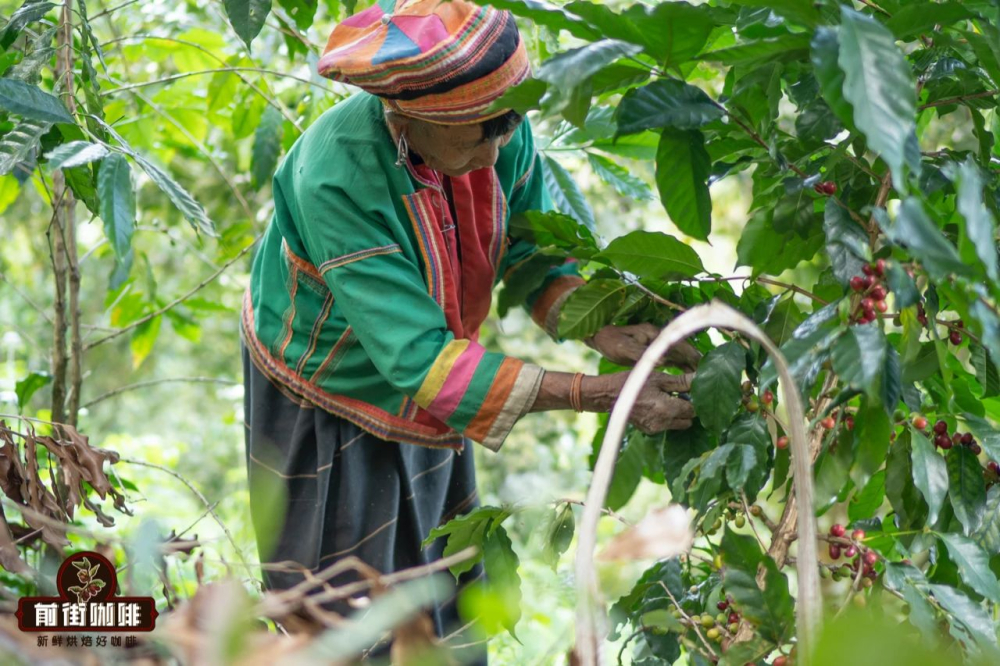
Today, with the rise of the specialty coffee trend and an emphasis on sustainable agriculture, an increasing number of domestic and international coffee professionals are delving into Yunnan, collaborating with local farmers to improve coffee quality across the board—from pest and disease management, shade tree arrangement, and altitude selection, to fresh fruit harvesting and post-harvest processing. Well-known brands such as Starbucks, Blue Bottle Coffee, Luckin, and Manner have also successively launched products from the Yunnan growing region, helping boost the international visibility and reputation of Yunnan coffee step by step.
So, what exactly does “small-grind coffee” refer to? In fact, it is a colloquial term for Arabica coffee beans, named for their smaller fruit and seed size compared to Robusta. The earliest varieties introduced to Yunnan—Typica and Bourbon—are both pure Arabica varieties, typically grown at high altitudes, and are known for their rich acidity and sweet aromatic profiles, considered representations of high quality. However, these varieties also have obvious drawbacks: weak disease resistance and low yield, leading many farmers to later switch to the higher-yielding and more stable Catimor.
It’s worth mentioning that although Catimor has become the mainstream, Yunnan still retains cultivation of some traditional varieties. For example, one coffee brand re-selected Typica in the Lincang region in 2013, and after five to six years of careful cultivation, finally harvested its first fruits in 2020, producing them using a natural sun-dried method and naming the lot “2013” to showcase the pure flavor of this ancient variety.
In the past, due to generally low planting altitudes and limited processing techniques, Yunnan coffee was often considered low quality and mostly used for commercial instant coffee. But with the spread of specialty coffee concepts, more and more professionals have invested in the region, improving the growing environment, optimizing harvesting and processing procedures, resulting in a significant enhancement in the flavor performance of Yunnan small-grind coffee. Today’s Yunnan small-grind not only features clean flavor lines but can also exhibit rich and varied characteristics through different post-harvest processing methods.
Take the commonly seen natural sun-dried Typica in Yunnan as an example: each year in November, when the coffee cherries reach maturity, they are harvested and then naturally dried in the sun. They are turned at appropriate times to ensure even dehydration and avoid over-fermentation. Once the beans reach the target moisture content, they are hulled and roasted. The Typica processed this way often boasts intense caramel, berry, and black tea aromas, with prominent sweetness, a full body, and distinct layers.
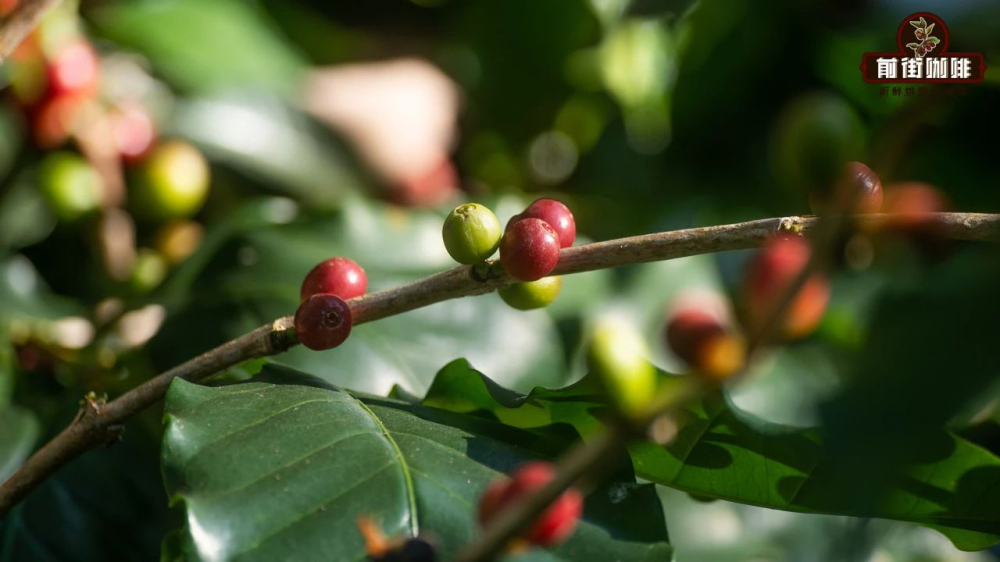
For pour over enthusiasts, it is recommended to use a Hario V60 dripper, with 15 grams of coffee, water temperature around 90°C, grind size passing 75% through a #20 sieve, and a coffee-to-water ratio of 1:15. Use a three-stage pouring method: begin with a bloom using twice the coffee weight in water for about 30 seconds, then pour in a thin stream in circles until reaching 125 grams for the first pour. After the bed sinks, continue pouring to 225 grams, with total extraction time of about 2 minutes. These parameters help fully highlight the sweetness and aromatic layers of the Typica.
Overall, the flavor profile of Yunnan small-grind coffee tends to be balanced and well-rounded, featuring a combination of acidic, sweet, and bitter notes. Common descriptors include chocolate, nuts, berries, caramel, and black tea. For those just beginning to explore the Yunnan growing region, it is recommended to start with a medium-roast Yunnan small-grind coffee to experience its nutty base and mild fruity acidity; if you prefer a bolder flavor, try a natural sun-dried Typica to appreciate its complex fermentation aromas and layered taste profile.
The above content is compiled by CoffeeHunters, a coffee news website.


