







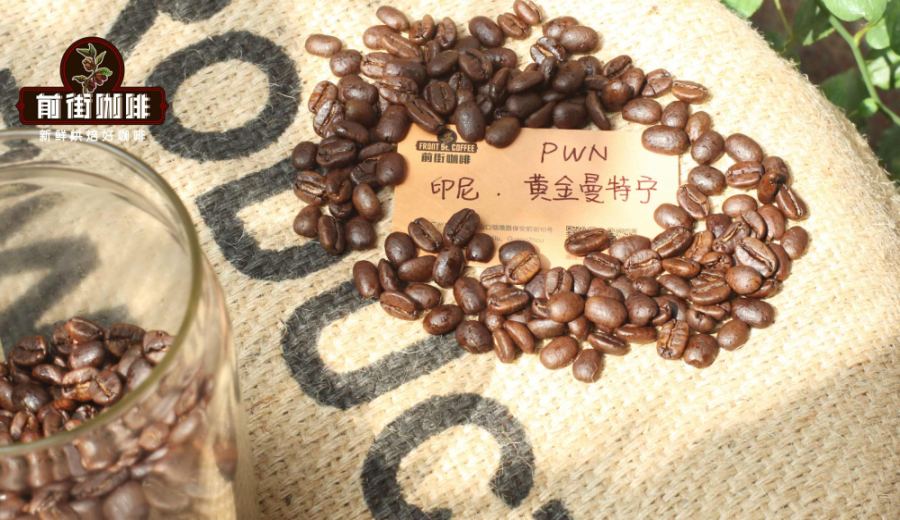
Introduction:Gold Mandheling is one of the most representative specialty coffees from Sumatra, renowned for its full-bodied taste and unique spicy flavor profile that is highly favored by pour over enthusiasts. This article takes you through a comprehensive understanding of the craftsmanship and flavor characteristics behind this classic coffee bean — from its growing environment, G1 grading standards, the Ateng variety traits, to the key steps of the wet-hulling process — and provides expert flavor profiles and reference data to help you taste and extract it more precisely.
Gold Mandheling coffee beans are a classic representation of Indonesia’s Sumatra region, famous for their rich, bold flavors and distinctive spicy and herbal notes. Among them, high-spec batches from the Gayo Lake Tawar area are particularly popular in the market. The microclimate and high-altitude conditions of this region provide ideal growing conditions for coffee trees, resulting in Mandheling’s signature nutty and caramel base.
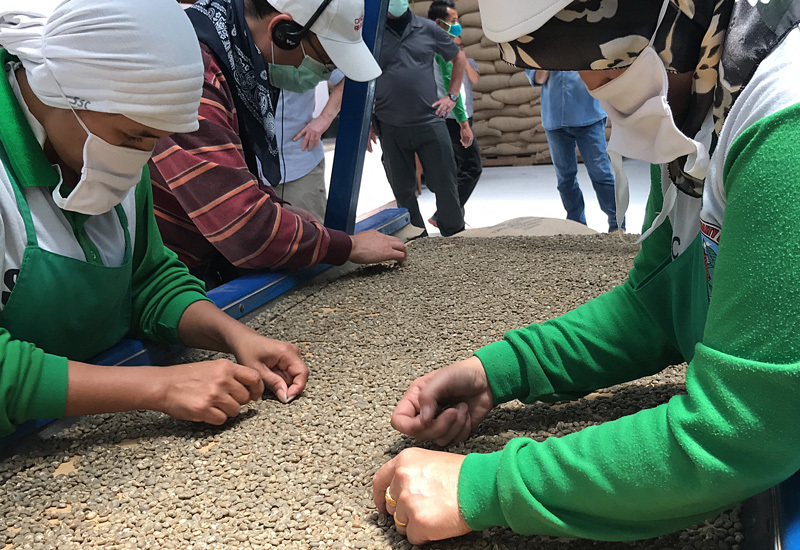
In terms of quality control, the Gold Mandheling purchased by PWN selects only green beans larger than eighteen screens with intact appearance, and adheres to an extremely strict defect rate standard — no more than three defects in a 300g sample — as the entry threshold for the G1 grade. This grade is the highest in the Indonesian green bean classification system, representing uniform bean size, consistent ripeness, and minimal defects. In addition, these beans undergo three rounds of manual sorting to further ensure consistency in color, shape, and size, thereby enhancing cleanliness and overall flavor performance during brewing from the source.
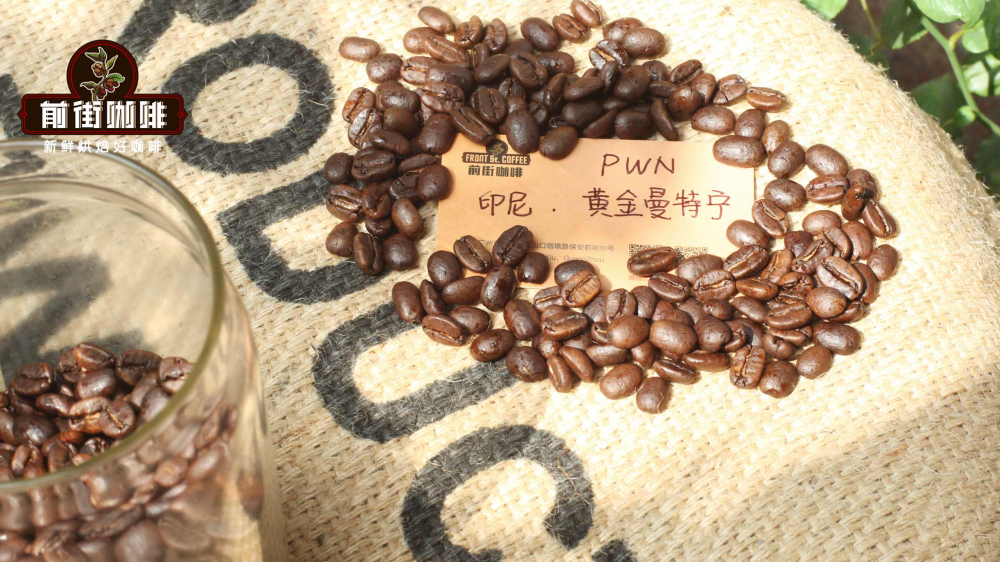
The variety used in Gold Mandheling is Ateng, a name derived from Aceh Tenggah in the Aceh region of Sumatra, which actually refers to a general term for a series of Catimor-type cultivars. This variety is a hybrid of Arabica and Robusta, known for its high yield and strong disease resistance, especially against common coffee leaf rust and berry diseases, showing good adaptability. Although it is a hybrid, Ateng performs well in cupping, delivering rich mid-palate flavors and stable body, making it the main planted variety on most coffee farms in Sumatra.
When talking about Mandheling, one cannot overlook Indonesia’s uniquewet-hulling process. Due to Sumatra’s year-round rainy climate, which makes prolonged sun drying difficult, the region has developed this distinctive processing method. First, the outer skin of the coffee cherry is removed, and surface impurities are quickly washed away with water. Then, the mucilage-covered beans are placed in a sealed container for about three hours of fermentation to help break down the remaining fruit pulp. Afterward, the beans are dried in the open air for one to two days, during which the moisture content remains between 30% and 50%, giving the beans a soft and slightly elastic texture.
The key step in the wet-hulling process lies inthe early removal of the parchment layer and part of the mucilage. When the beans are still in a semi-dry state, the processing facility uses specialized machinery to scrape off the outer parchment layer and some attached tissues. At this point, the beans have not yet fully hardened, making them prone to compression and deformation, which results in the classic “elephant foot” shape of the green beans. Subsequently, the beans continue to dry in the sunlight, typically for another two to four days, until the moisture content drops to a safe storage range of 12% to 13%. Compared to traditional washed or natural methods, the wet-hulling process significantly shortens the overall drying time, helping to stabilize quality in a humid environment, but also demands higher technical skill and equipment.
The imported PWN Gold Mandheling is sourced from the mountainous areas around Lake Tawar in northwestern Sumatra, at elevations of 1100 to 1600 meters. The volcanic soil here is fertile, and the significant day-night temperature variation helps the coffee cherries accumulate rich flavor compounds. This batch is G1 grade, having undergone three rounds of manual screening to ensure each green bean meets high standards. Processed using the wet-hulling method, it delivers a unique clean sweetness and full body. Its flavor profile often features layers of nuts, spices, herbs, caramel, and dark chocolate, making it particularly suitable for coffee lovers who enjoy medium-to-dark roasts and whole-bean pour over brewing.
In summary, Indonesia’s Gold Mandheling is not only the coffee calling card of Sumatra, but also an extremely recognizable item in the global specialty coffee market. By understanding its growing environment, stringent G1 grading, Ateng variety traits, and the key processes of the wet-hulling method, enthusiasts can delve deeper into the layers and charm of this classic coffee, and make more accurate judgments when selecting and brewing.
The above content is compiled by CoffeeHunters, a coffee news website.


