







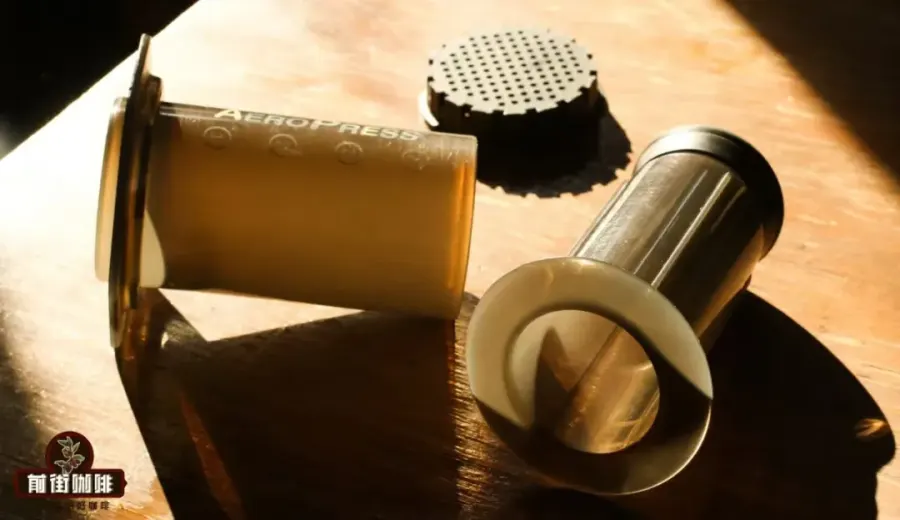
Introduction:As a flexible coffee brewing tool, the AeroPress has long been a hot topic among coffee enthusiasts for its two brewing methods—forward press and inverted press. This article delves into the fundamental differences between the two brewing techniques, explores why most users prefer the inverted method, and provides practical reference guidelines on grind size, water temperature, and coffee-to-water ratio to help you find the optimal extraction approach based on your flavor preferences.
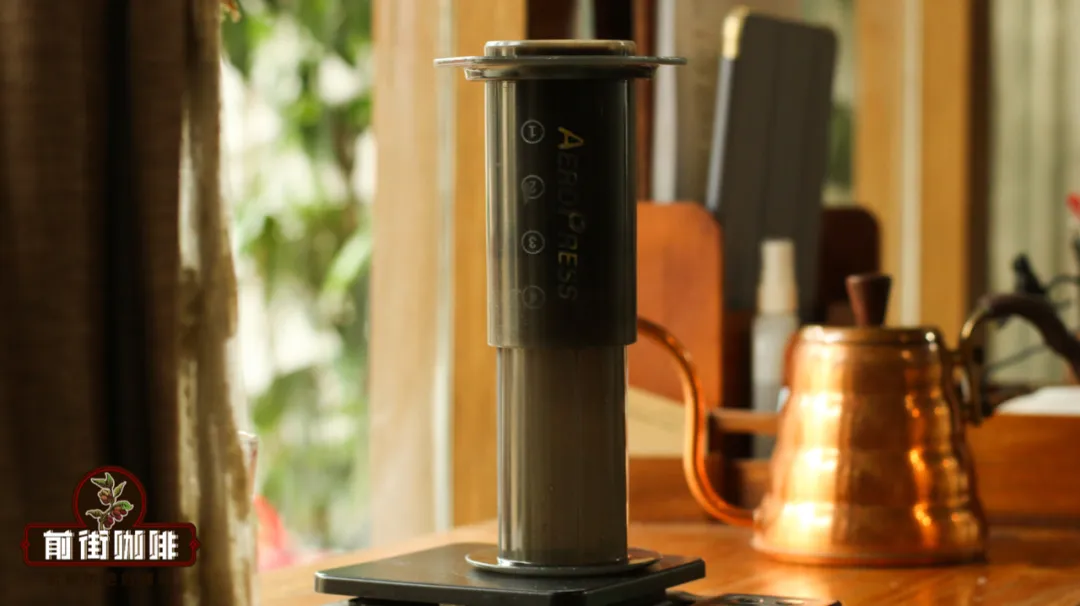
The AeroPress is a coffee brewing device designed with ease of use in mind. Its creation stems from the inventor’s vision to simplify traditional, complex brewing processes. By combining immersion, stirring, and pressure, this tool allows users to brew a rich single-origin coffee in just a few minutes. Not only is it intuitive to use, the AeroPress also offers a high degree of versatility—whether you follow the official forward press method or try the inverted technique by flipping the device upside down, each approach yields distinctly different flavor profiles.
In practice, by adjusting parameters such as grind coarseness, water temperature, coffee-to-water ratio, and stirring time, the AeroPress can produce a wide variety of brewing results. This flexibility not only appeals to home users but also serves as a creative platform in coffee competitions. It’s worth noting that although the official method primarily promotes the forward press, many coffee lovers find that the inverted method better meets their flavor expectations. So, what’s the secret behind this preference?
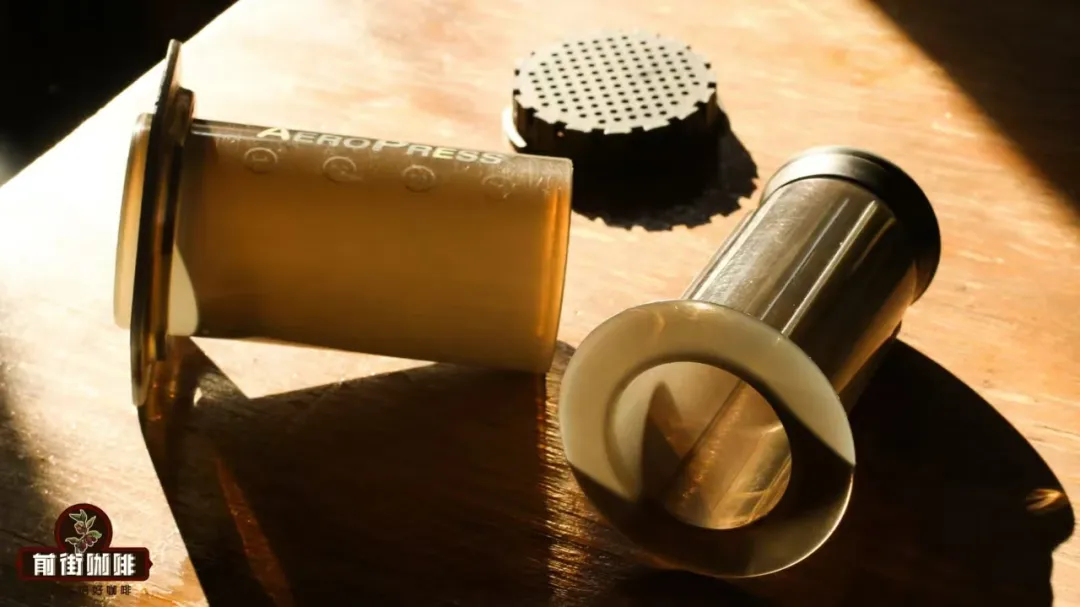
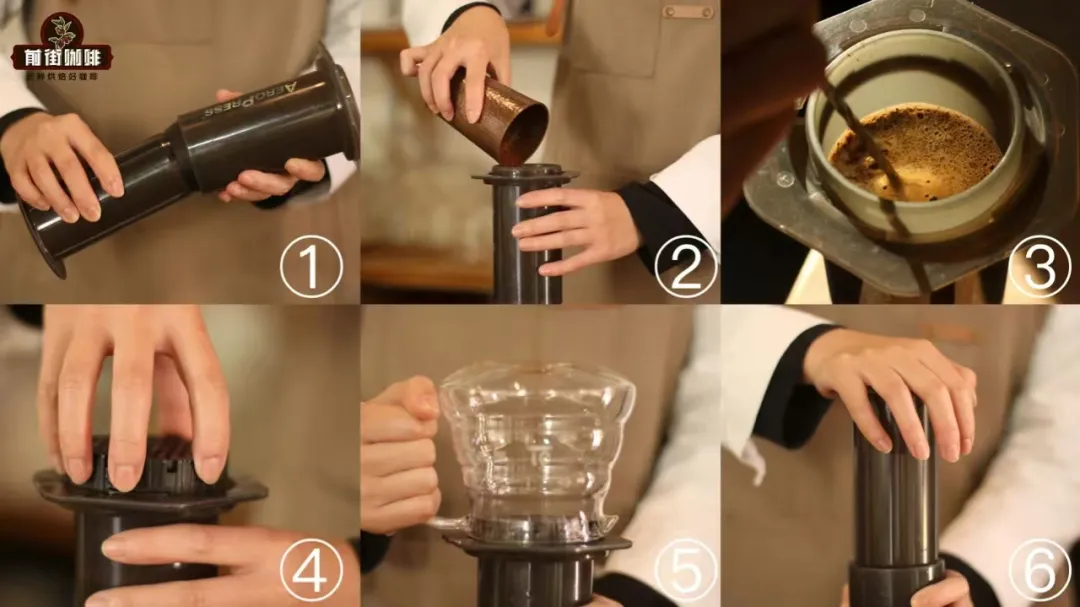
To understand the difference between the forward and inverted press, it’s first necessary to grasp their basic operational logic. The forward press follows the standard usage procedure of the AeroPress: assemble the device, place the coffee grounds in the filter basket, pour in hot water, stir appropriately, and finally use the plunger to press out the coffee under pressure. This method mimics an espresso-like extraction principle, efficiently extracting coffee flavors in a short period of time.
In contrast, the inverted press involves using the AeroPress upside down. The user places the coffee grounds and hot water into the bottom chamber, lets them steep for a period, then attaches the filter cap, and finally flips the entire device to press the coffee. This technique extends the contact time between coffee grounds and water, often resulting in a smoother and more layered mouthfeel, which is a key reason why many enthusiasts prefer it.

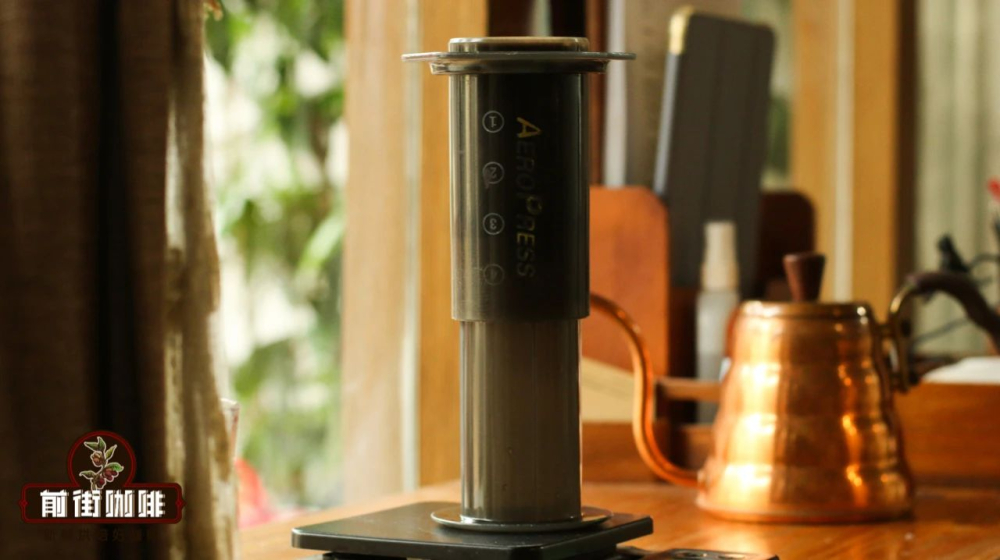
The hallmark of the forward press is its quick and controllable extraction process. It typically recommends using a medium-fine grind (similar to that used in pour over), with water temperature controlled within90-96°C, a coffee-to-water ratio of about1:12 to 1:16, a steeping time of around 30 seconds, followed by pressing with moderate pressure for about 20–30 seconds. This technique is ideal for those who seek bright acidity and a distinct flavor profile, particularly highlighting the characteristics of high-quality Arabica beans.
Because the inverted press uses a reversed setup, the coffee grounds and water have ample time to steep and meld. It generally recommends a slightly coarser grind (between medium-fine and medium), a water temperature range similar to the forward method, but the coffee-to-water ratio is often adjusted to1:13 to 1:17, with total steeping time extended to 1–2 minutes, and the pressing process is relatively slow and steady. This method often produces a fuller body and lower acidity, making it especially suitable for those who prefer a rich mouthfeel and sweet notes.

From a practical perspective, the inverted press is favored by many enthusiasts mainly for several advantages: first, it has a higher margin of error during operation, as the steeping process naturally compensates for minor inconsistencies in grind size or water temperature; secondly, in terms of flavor, the inverted method usually achieves a more balanced taste, especially under low-temperature slow brewing conditions, bringing out deeper aromas and sweetness in the coffee.
Additionally, the inverted press is more beginner-friendly, as it doesn’t require precise control over a short pressing time, and the overall process is more intuitive. In contrast, although the forward press allows for quicker brewing, it demands stricter control over pressure and grind fineness, where even small mistakes can lead to over-extraction or undesirable flavors.

Whether you choose the forward or inverted press, the key lies in understanding the underlying extraction principles of both techniques and adjusting the relevant parameters according to your personal taste preferences. Beginners are advised to start with the inverted press to get familiar with the basic operation of the AeroPress, and then gradually explore the finer adjustments of the forward method. By experimenting with different grind sizes, water temperatures, and steeping times, every coffee lover can discover their own perfect brewing recipe.
The above content is compiled by CoffeeHunters, a coffee news website.


