








Introduction:For beginner coffee enthusiasts, the wide variety of coffee beans available can often make it difficult to know where to start. This guide explores three key factors to help readers master the core skills of selecting coffee beans: understanding the importance of freshness in roasting, discerning how roast levels affect flavor, and identifying regional characteristics that align with personal taste preferences. With practical advice and detailed explanations, you’ll be able to easily choose the coffee beans you love.
The market offers a diverse range of coffee beans, and for those just starting out with coffee, it can often be challenging to decide where to begin. In fact, by focusing on a few key points, you can more accurately select beans that suit your taste. This article will approach the topic from three main perspectives: the freshness of the beans, their roast level, and the unique flavors brought by different regions. This will help you build a basic framework for choosing beans—whether you prefer bright fruit acidity, soft sweetness, or rich body, you’ll be able to find a suitable option.
First,freshness in roastingis one of the key factors that influence the flavor expression of coffee. During the roasting process, coffee beans release a large amount of aromatic compounds, which can typically remain active for about thirty days under proper storage conditions. To achieve the best flavor experience, it is recommended to choose beans roasted within twenty days, and ideally, purchasing them within five days of roasting is perfect. This period is considered the “optimal tasting window” for coffee beans.

It’s important to note that during the first few days after roasting, coffee beans may still retain some so-called “smoky dryness,” which is a naturally occurring scent from the roasting process and usually dissipates gradually around the fourth day after roasting. Therefore, if you receive beans that have been recently roasted, it is advisable to keep them in their original packaging and let them rest for three to four days before opening and tasting. This allows you to better perceive the true flavor of the coffee.
Second,roast leveldirectly affects the balance of acidity, sweetness, and bitterness in coffee. Generally speaking, the lighter the roast, the more pronounced the acidity, often accompanied by more fruity and floral notes; the darker the roast, the more the bitterness stands out, while also bringing out rich flavors such as caramel and chocolate. If you enjoy a bright, fruity acidity, you might want to prioritize lightly or medium-light roasted beans; if you prefer a more balanced acidity and bitterness, a medium roast is a good choice; and for those who prefer a thick, full-bodied taste, medium-dark or dark roasted coffee beans are recommended.
In addition,regional differencesare also an important factor influencing coffee flavor. The climate, soil, and growing conditions of different areas create distinct flavor profiles for coffee. For example, if you enjoy bright acidity and a fresh taste, you might want to consider coffee beans from Ethiopia. These beans often exhibit citrus-like acidity, honey-like sweetness, and finishes of nuts and green tea.
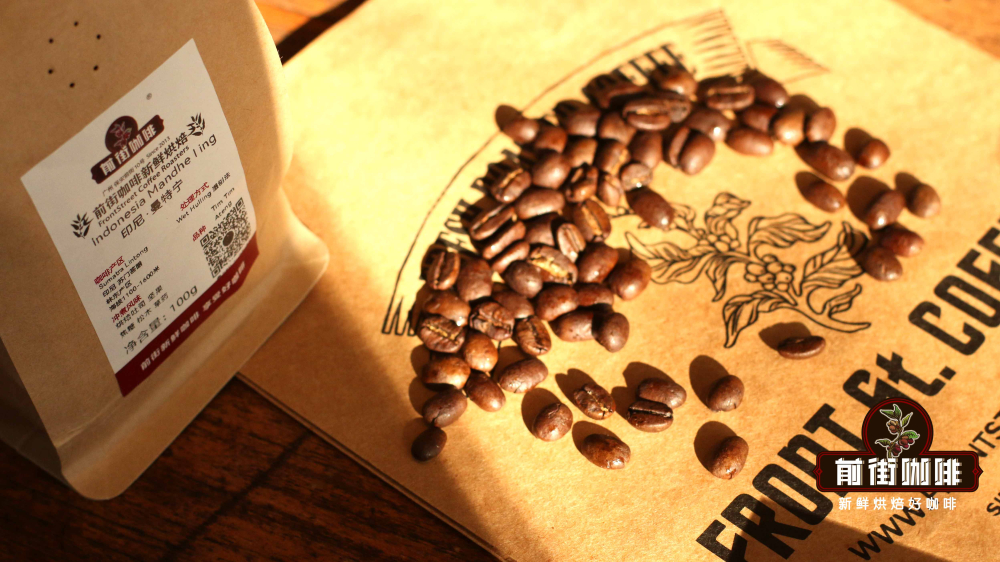
If you prefer coffee with softer acidity and more noticeable sweetness, beans from Panama are a great choice. These coffees often present gentle citrus acidity, clear nutty and caramel aromas, and end with a green-tea-like sweetness. For those who don’t like too much acidity or bitterness and instead favor a rich, full-bodied taste, Brazilian coffee beans are a solid recommendation. Common flavors include roasted nuts, the boldness of dark chocolate, and the smoothness of peanut butter along with the sweetness of cane sugar.
In summary, when choosing coffee beans, factors such as freshness, roast level, and regional characteristics all play crucial roles in the final flavor. Mastering these three key points can help you navigate through the many options and find the coffee beans that best match your taste preferences, thereby enjoying a richer coffee experience.
The above content is compiled by CoffeeHunters, a coffee news website.


