







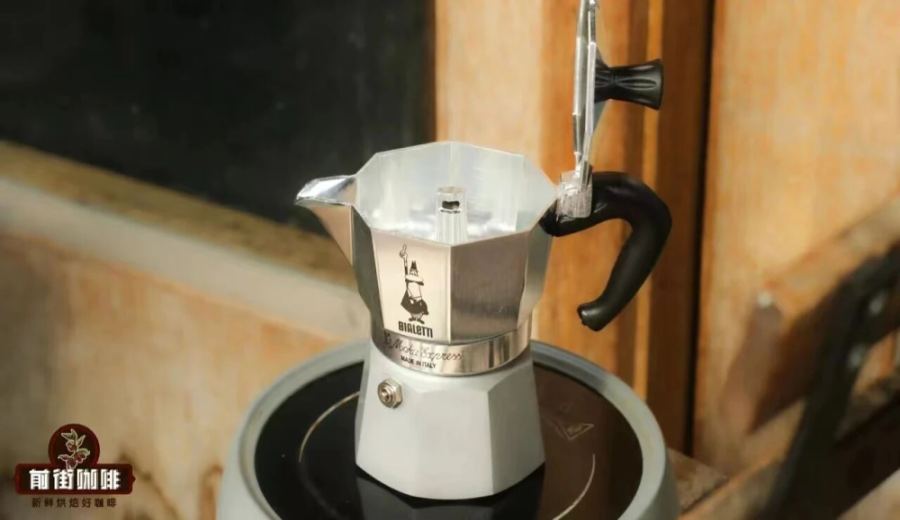
Introduction:The moka pot is the most common espresso-making tool in Italian households. Though not a commercial machine, it features a unique pressure extraction method. This article delves into the structure and extraction principles of the moka pot, offers practical advice on suitable coffee beans and grind sizes, and provides a detailed step-by-step guide to help you easily brew rich, espresso-style coffee at home.
Although not as commonly seen in cafes as commercial espresso machines, the moka pot plays an indispensable role in the daily coffee routine of Italian kitchens. Some call it an Espresso Pot, while others doubt whether it can truly brew espresso. However, its distinctive pressure extraction mechanism and classic three-part design indeed deliver a cup of bold, flavorful coffee. This article will comprehensively break down the components and workings of the moka pot, offer detailed explanations on suitable coffee bean types and grind settings, and guide you through every step—from filling water and coffee grounds to heating and turning off the heat—to help you consistently recreate a rich moka pot coffee at home.
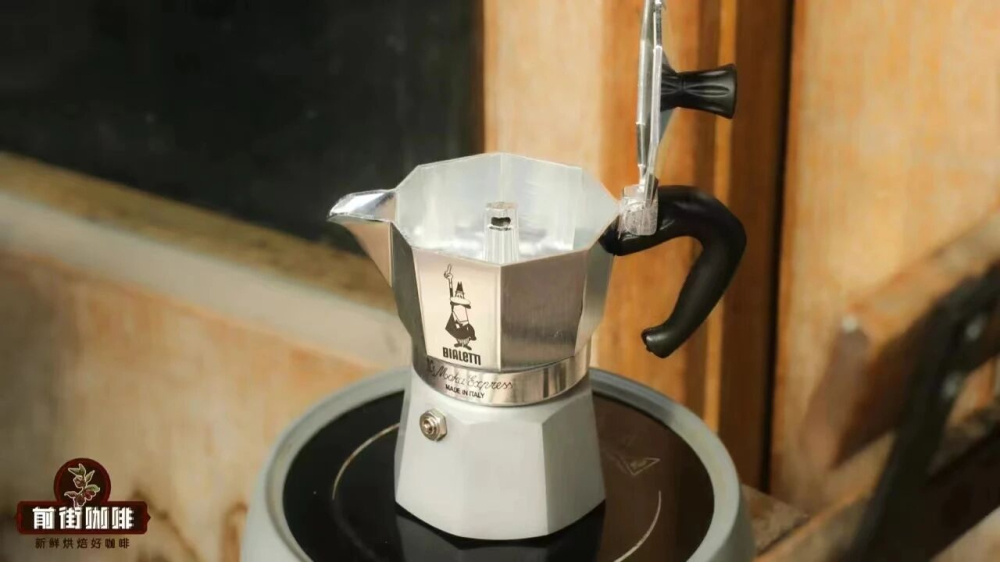
In many countries, espresso has become part of everyday life—whether it’s Americano, latte, or cappuccino—even those who don’t drink coffee often are familiar with these terms. But the moka pot holds a relatively unique position. It rarely appears in commercial coffee shops but is commonly found in household kitchens, leading many to mistakenly think it’s not part of Italian coffee culture. In fact, in Italy, the moka pot is widely used in homes and enjoys far more popularity than one might imagine. Many refer to it as an Espresso Pot, and just from the name, it’s clear that the coffee it brews shares similar qualities with espresso, albeit presented in a more traditional and rustic way. Some users dismiss it as not making real espresso due to its lack of modern aesthetics or the absence of thick crema, but such judgments are unfair.
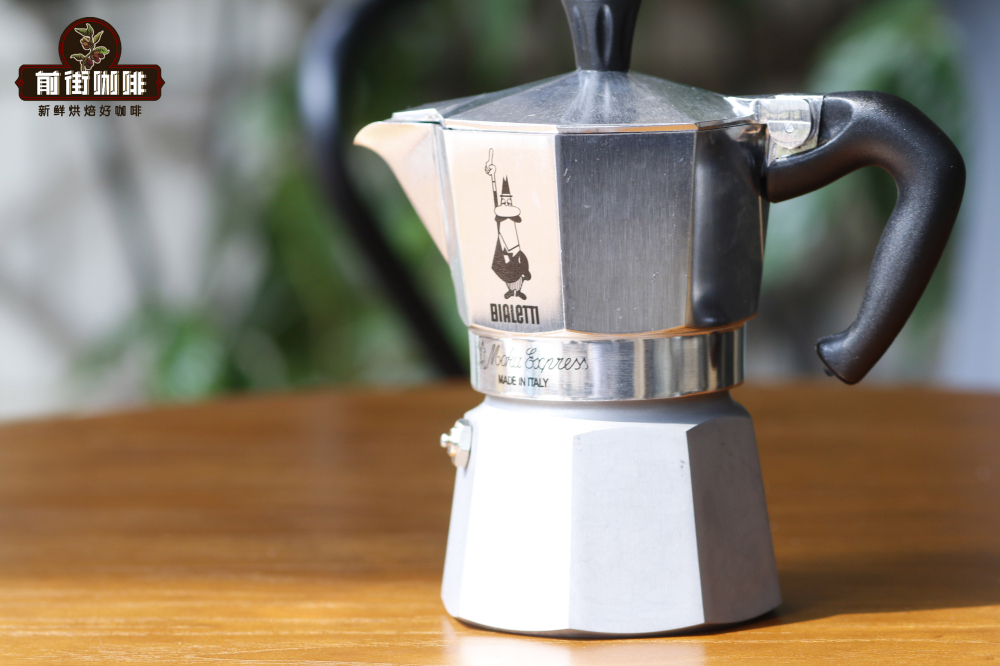
The basic structure of a moka pot can be divided into three main parts: the upper chamber, the filter basket, and the lower chamber. The lower chamber is where water is added, the filter basket holds the ground coffee, and the upper chamber collects the brewed coffee. If you temporarily ignore the water chamber of the lower part and just look at the filter basket and upper chamber together, you can better understand how the water flows. The bottom of the filter basket is equipped with a metal tube that aligns coaxially and has the same diameter as the central spout of the upper chamber. This design ensures that hot water is pushed straight through the layer of coffee grounds. When the lower chamber is heated, the rising temperature generates pressure that forces the water through the coffee grounds in the basket, then through the filter at the bottom of the upper chamber, and finally out through the central pipe, resulting in a cup of espresso. This entire process is extraction under pressure.
It’s worth noting that the built-in safety valve in the moka pot is a clear feature of its function as a pressure vessel. Once the filter basket and lower chamber are tightly sealed, the steam pressure generated by heating is effectively controlled, allowing the extraction process to occur under a certain pressure—this is the key to producing coffee with espresso-like flavors.
When it comes to which coffee beans to use with a moka pot, domestic users often focus on origin, variety, and roast level. But overseas, many consumers are more concerned about whether the beans suit their equipment and brewing method. In Italy, there are even coffee blends specifically designed for moka pots available on the market. For beginners, it’s recommended to start with medium-dark roasted beans. For example, a classic Italian blend from a certain brand offers distinct buttery and nutty notes, or a highly cost-effective dark cocoa blend—both are suitable for moka pots and espresso machines and can showcase rich chocolate and nut aromas.
If you want to try something more distinctive, consider trying the Brazilian Queen Estate SOE or Golden Mandheling SOE from a certain brand. The former, medium-dark roasted, delivers intense creamy peanut and sugarcane sweetness with a cocoa aftertaste, suitable for pour over, moka pot, and home espresso machines alike. The latter is a well-known Asian specialty bean, rigorously selected multiple times, and after medium-dark roasting, emits complex aromas of spices, caramel, and dark chocolate. It offers a full-bodied taste, especially suitable for those who prefer less acidity.

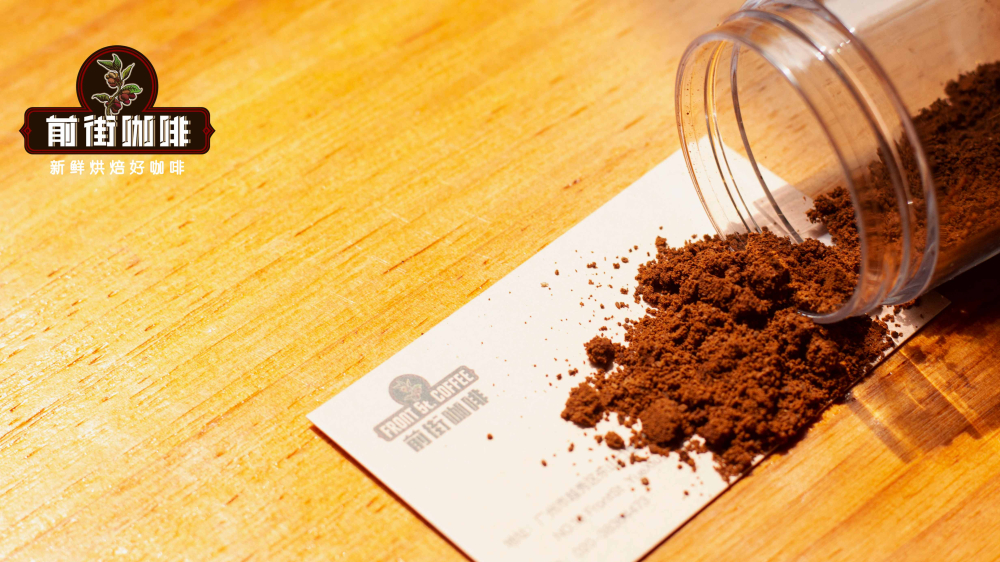
Among the many parameters when using a moka pot, the grind size of the coffee is one of the most critical—it not only affects extraction strength but also directly determines flavor direction. Too coarse a grind may lead to under-extraction, while too fine may cause over-extraction and bitterness. To determine the ideal grind size, you can purchase a dedicated grind size ruler or use commercially available moka pot-specific coffee as a reference. In practice, it’s recommended to do three to five adjustment tests to find the optimal setting. If the grind is too coarse, the water will flow too quickly, possibly resulting in under-extracted, weak-tasting coffee. If the grind is too fine, you might hear bubbling inside the pot but the coffee may not flow out—turn off the heat immediately to avoid overheating.
Here are the steps to use a moka pot: First, pour hot water into the lower chamber, ensuring the water level stays below the safety valve to avoid over-extraction or burnt, bitter flavors. Using hot water instead of cold is recommended, as cold water prolongs the immersion time of the coffee grounds, leading to muddier flavors. Next is the coffee filling step, which is crucial—pay attention to the amount of coffee and how you tamp it. Many users mistakenly believe they need to tamp hard, but the moka pot doesn’t require a tamper. Simply fill the basket evenly with coffee grounds, gently tap the edges of the basket to settle the grounds and eliminate gaps, then lightly tap the basket on a table surface to ensure the coffee bed is flat and compact.
After assembling the filled filter basket with the lower chamber, screw the upper chamber on tightly—tight enough to prevent air leakage. Place the moka pot on the heat source, and it’s recommended to keep the lid open to observe the extraction process. Soon, coffee will begin flowing from the central metal tube. As extraction progresses, when you notice the coffee surface showing oils and the color darkens then lightens, it indicates extraction is nearly complete—remove the heat source quickly to avoid over-extraction. If you wait until you hear a “whistling” sound before turning off the heat, the coffee may turn bitter or develop off-flavors.
If possible, after heating, place the moka pot on a pre-moistened cold towel to help cool it down rapidly, further preventing over-extraction so that every cup of moka pot coffee can deliver its optimal flavor.
The above content is compiled by CoffeeHunters, a coffee news website.


