







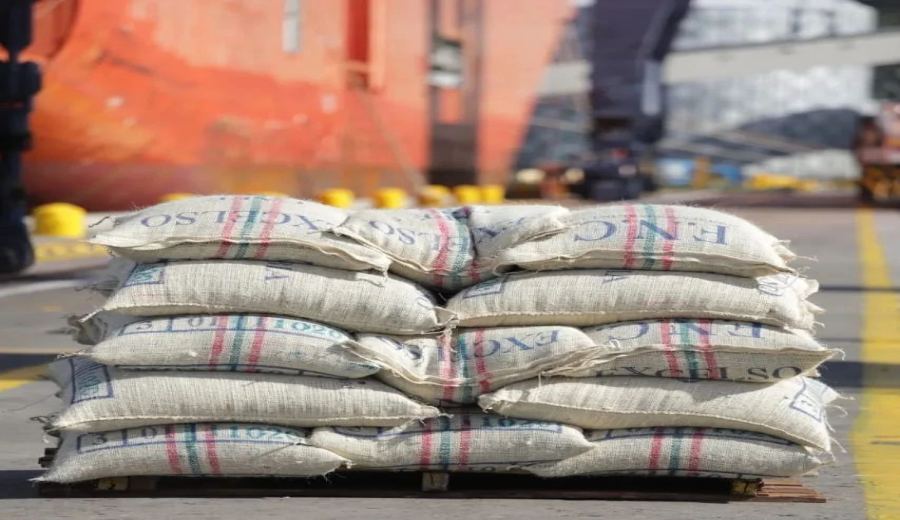
Introduction:Colombian coffee is renowned for its consistent quality, and green bean grading is a critical part of quality control. What exactly do the commonly seen Supremo and Excelso labels on export sacks represent? This article delves into the Colombian green bean grading system, exploring everything from defect rates and bean size to export standards. We’ll break down the differences between UGQ, EP, and Supremo, and include practical buying tips to help you choose the right beans for your pour over or other brewing methods.
Colombia is a globally recognized specialty coffee origin, and its green bean grading system is primarily based on defect rates and bean size. Whether you’re walking into a coffee roastery or browsing an online store, you’ve likely seen sacks labeled “Supremo” and “Excelso.” These labels aren’t just names—they represent distinct quality grades. What’s the difference between them, and how can you use these grades to find the beans that suit you best? This article will fully unpack the logic behind Colombian green bean grading, helping you understand your coffee from a professional perspective.
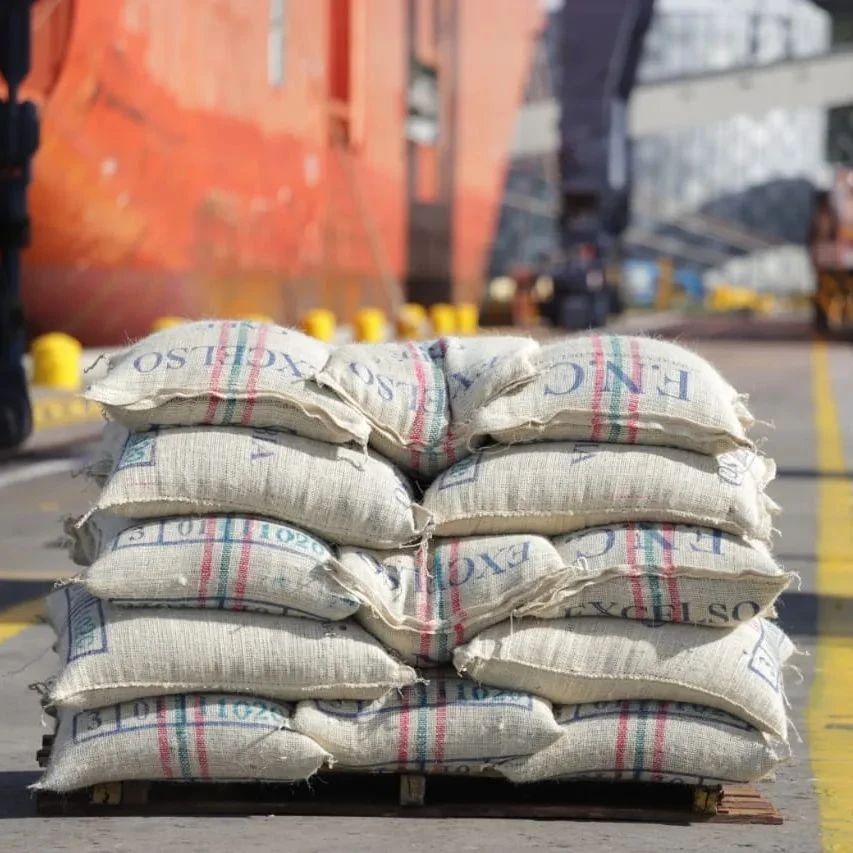
The Colombian green bean grading system focuses on two main criteria: the allowable range of defects and the size of the coffee beans. When you see the uniformly labeled “Excelso-Café de Colombia” on export sacks, it means this batch of coffee meets the export standards set by the Colombian National Federation of Coffee Growers (FNC). It’s worth noting that Excelso is a broad grading category that encompasses more specific sub-grades such as UGQ, EP, and Supremo, and does not refer to a single size or flavor profile.
In simple terms, almost all Colombian green beans exported to international markets are labeled with the Excelso grade. This indicates that the beans have passed defect inspections, moisture control, and color screening, and have received official certification from the FNC. To qualify for the Excelso grade, green beans in a 500-gram sample must meet the following criteria: over 50% of the beans must be 15 mesh or larger, no more than 5% can be between 12 and 14 mesh, and beans larger than 14 mesh must make up the majority. Additionally, the total defect score must not exceed 24, moisture content must be below 12.5%, and the beans must have uniform color, with no insect damage or off-odors.
Defect scoring is a crucial part of quality control for Colombian green beans. The National Coffee Committee classifies defects into two main categories and assigns different scores based on the type of defect. For example, a common Supremo grade label like “Supremo 12*60 (5%)” means that in a 500-gram sample, there must be no more than 12 primary defects and no more than 60 secondary defects. This scoring system accurately reflects the overall purity and processing quality of a batch of green beans, and serves as an important reference for buyers assessing risk.

In addition to defect rates, bean size is another key factor in grading. While bean size isn’t absolutely correlated with final flavor, larger and more uniform beans typically come from riper coffee cherries, which helps ensure even heat distribution during roasting and results in a more consistent flavor profile. Colombia uses a screen size system to classify bean dimensions—the higher the mesh number, the smaller the beans that can pass through, while those remaining on the screen are larger. For example, beans that pass through a 17 mesh or higher are categorized as a larger size grade.
Currently, the three most commonly exported grades by the FNC are: Excelso UGQ 12*60 (1.5%), Excelso EP 12*60 (10%), and Excelso Supremo 12*60 (5%). Here, UGQ stands for Usual Good Quality, requiring beans to be at least 14 mesh or larger, allowing up to 1.5% of beans between 12 and 14 mesh, and with over 50% being 15 mesh or larger. EP stands for European Preparation, which mandates beans to be 15 mesh or larger, allowing only 10% to be smaller than 15 mesh—but not smaller than 14 mesh. As for Supremo, the highest mesh grade, it requires beans to be at least 17 mesh or larger, with only 5% allowed to be below this standard, and also must be larger than 14 mesh.
Beyond the commonly seen grades, Colombia has even more detailed classifications, such as the Extra grade for beans 16 mesh or larger, and the Premium grade for beans 18 mesh or larger—these are usually considered higher-tier specialty beans. Additionally, if the beans are roughly uniformly sized around 15 mesh, they may be classified as the Minama grade. It’s important to note that beans that don’t meet the Excelso standard are typically labeled as “Product of Colombia” and are mostly used for commercial coffee or instant coffee production, and are not included in the specialty coffee export category.
In Colombia, each batch of green beans is meticulously recorded with details about the origin, processing facility, and serial number, facilitating traceability. When exporting, green beans are usually named following the format “Country + Region + Grade + Other Information.” For example, a popular everyday bean from the Huila region often recommended by a well-known brand might be officially named Colombia Huila Supremo SC17/18 FNC, clearly indicating the quality grade and processing characteristics. For consumers, understanding these grading and naming conventions can help you more precisely select beans that match your brewing style and flavor expectations.
The above content is compiled by CoffeeHunters, a coffee news website.


