







Introduction:An in-depth exploration of the variety characteristics, major growing regions, and common processing methods of Yunnan small-grain coffee, with a detailed comparison of the flavor differences between Catimor and Typica. Practical pour over parameters are also provided to help both beginners and advanced enthusiasts grasp the unique charm of Yunnan coffee.
As China’s primary coffee-growing region, Yunnan, with its low latitude, high altitude, and abundant rainfall, produces small-grain coffee that boasts a rich mouthfeel, pronounced aroma, and subtle fruity notes. The market predominantly features the Catimor variety, but a small number of regions still cultivate the classic Typica variety. For example, an independent estate in Lincang has long been dedicated to this pure Arabica variety.
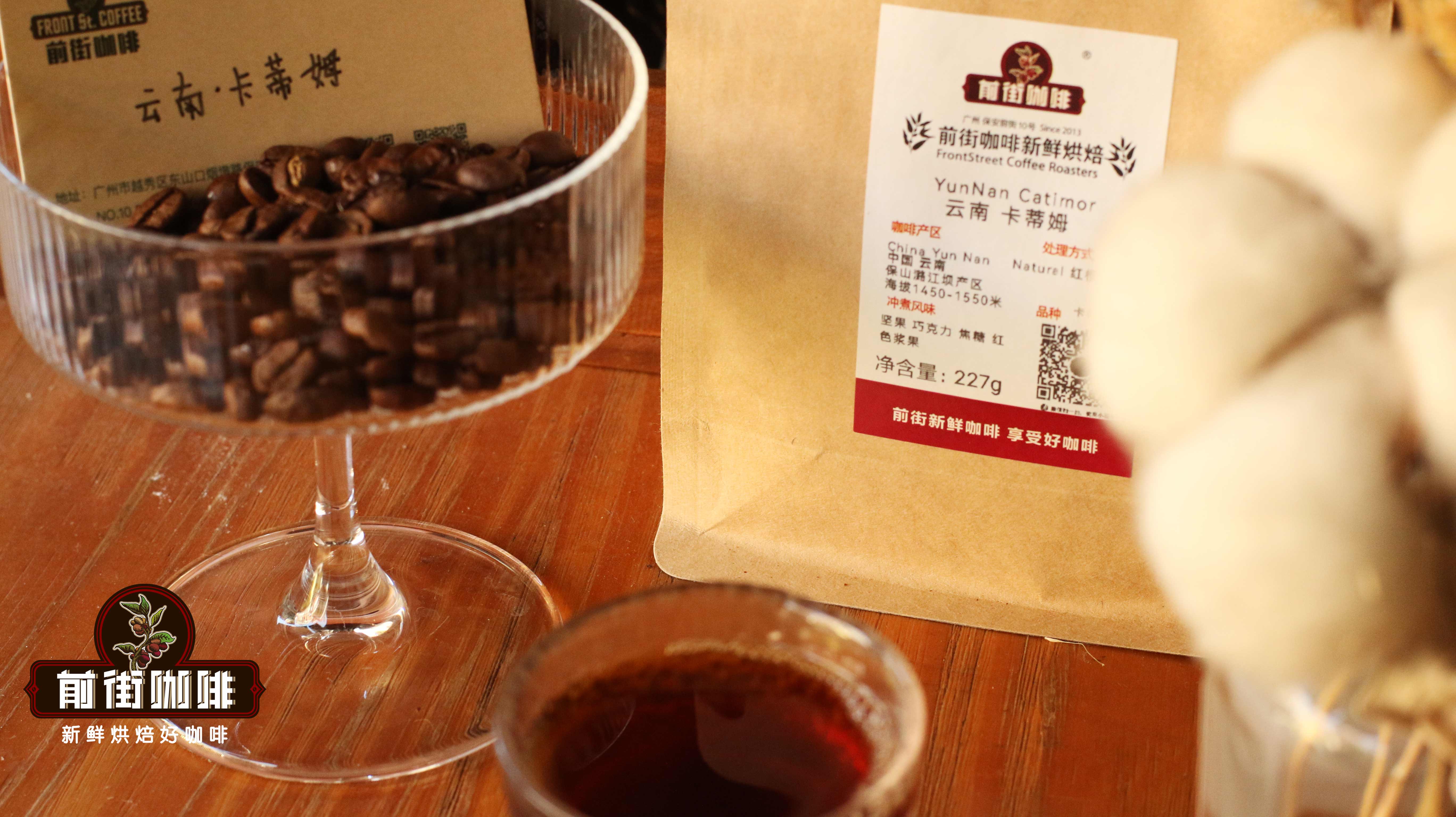
While Catimor dominates Yunnan coffee production, a small amount of Typica is still grown. For instance, an independent estate in a certain area specializes in this variety and has released the highly acclaimed “2013 Natural Typica.” In addition, the region also offers washed Yunnan small-grain coffee and natural Catimor, catering to coffee lovers eager to explore different flavor profiles.
Although China is renowned for its tea culture, coffee has a history in Yunnan spanning over a century. As early as 1892, small-grain coffee was introduced to the region and gradually adapted to its geographical and climatic conditions. Located between 15°N and the Tropic of Cancer, Yunnan is considered a golden zone for coffee cultivation, resulting in a unique flavor profile that is rich yet not bitter, with a clear aroma and fruity undertones.

Yunnan small-grain coffee beans are plump and uniformly sized, offering a soft and layered mouthfeel, which is why they are also referred to as “small fruit variety coffee.” Compared to the medium-sized fruit of Robusta and the large-sized fruit of Liberica, its flavors are more delicate. This type of coffee is not only suitable for everyday drinking but has also gradually secured a place in the specialty coffee market.
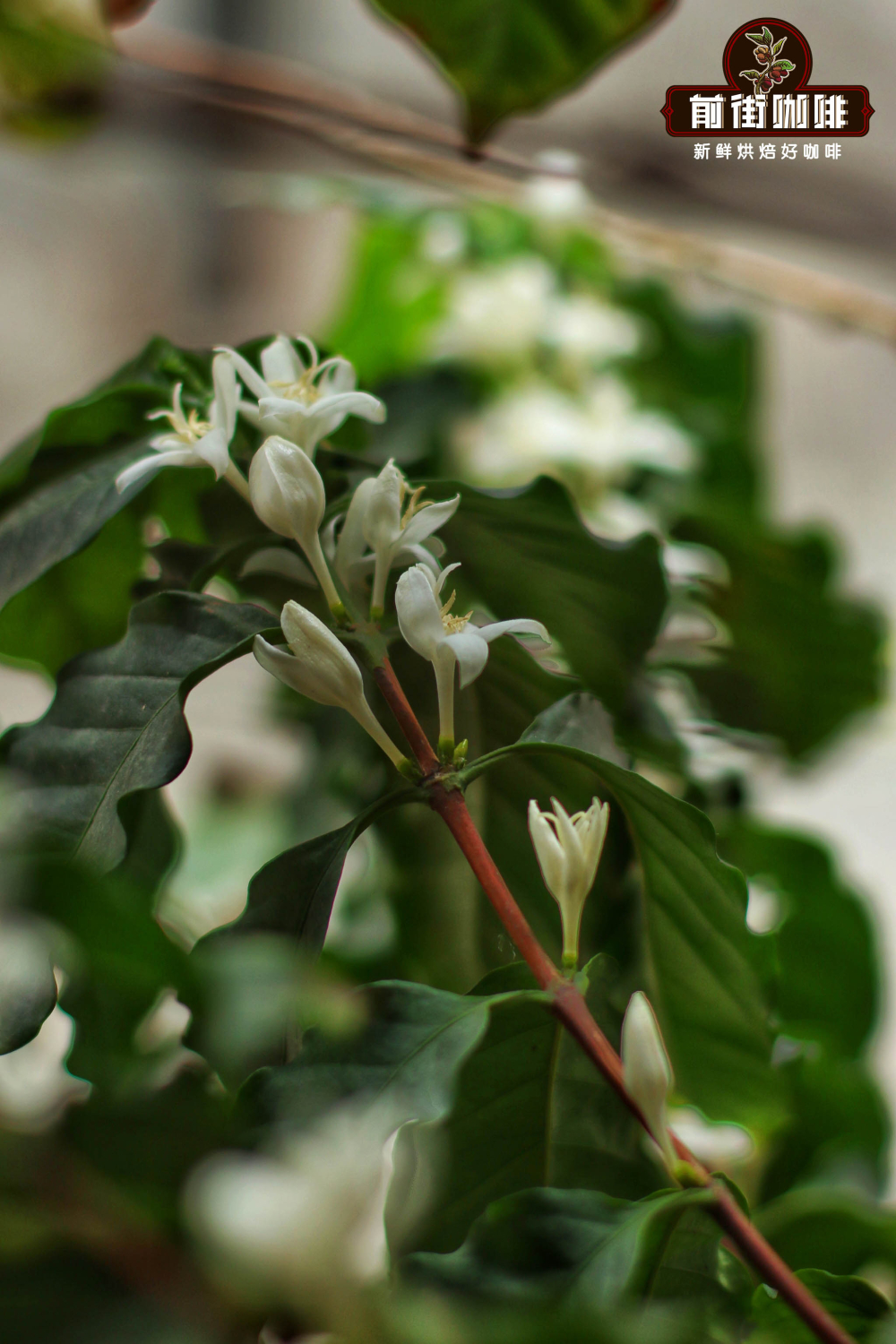
The coffee plants are primarily small trees or large shrubs, reaching heights of about 5 to 8 meters. The old branches are grayish-white, and the leaves are thin, leathery, ovate-lanceolate in shape, with smooth or shallowly wavy edges. The flowers are white and fragrant, while the berries turn red and broad-elliptical when ripe. The seeds are about 0.8 to 1.0 cm in length, and the flowering period occurs annually from March to April.
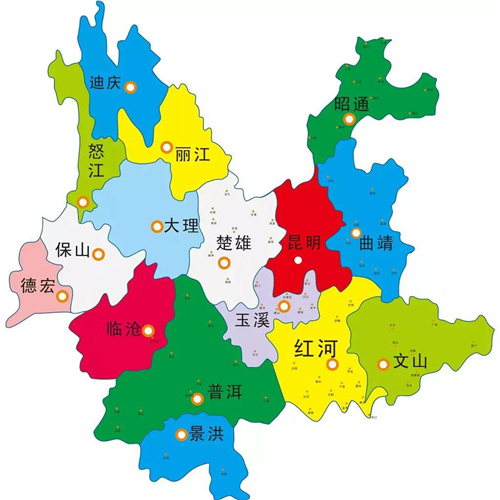
The main coffee-growing regions in Yunnan include Lincang, Baoshan, Simao, Xishuangbanna, and Dehong. Among them, Baoshan, with an average annual temperature of 21.5°C and an almost frost-free environment, is regarded as one of the most suitable regions for growing small-grain coffee. The coffee produced here is known for its intense fruity aroma, rich mouthfeel, and uniform bean size, and has received high praise from international coffee organizations. A certain location’s washed Yunnan small-grain coffee originates from Baoshan.
Lincang, with its unique geography and climate, has emerged as a new hub for coffee cultivation. The region is home to multiple nursery bases and has gradually expanded its planting scale. A certain location has even established its own estate in Lincang, choosing to grow the more delicately flavored Typica variety. Although it takes 4 to 5 years from seedling to harvest, this patience has resulted in higher-quality coffee beans. The “2013” series, its first harvest from 2020-21, is a prime example.
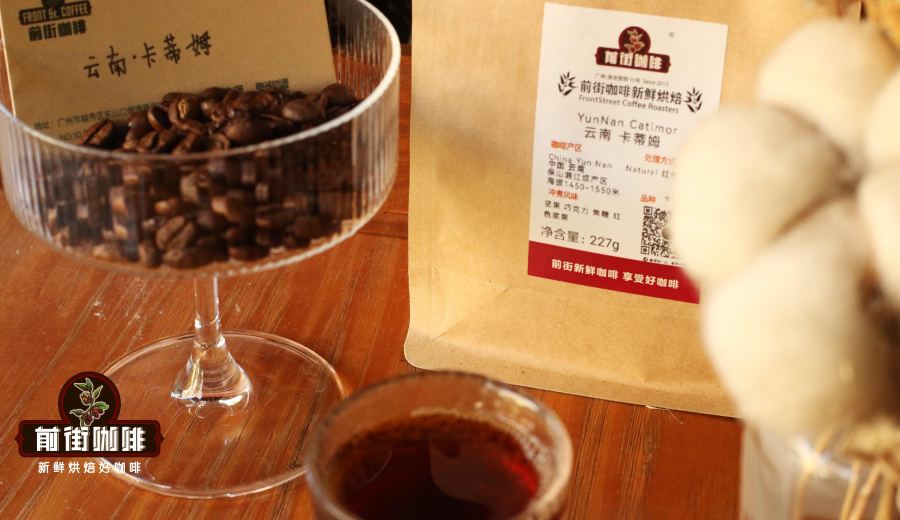
Currently, the majority of coffee varieties planted in Yunnan are Catimor, which is a hybrid of Typica (an Arabica variety) and Robusta. It inherits about 25% of Robusta’s genes, giving it strong disease resistance and rich oils, while also retaining some of the flavor characteristics of the original Typica variety. As a result, it has become the preferred choice for most estates in Yunnan. Typica, on the other hand, is a classic high-quality Arabica variety. Although it has lower yields and is susceptible to rust disease, its flavor performance is exceptional and serves as the foundation for many specialty coffees. Famous varieties such as Jamaican Blue Mountain and Hawaiian Kona belong to this variety.
In terms of processing methods, Yunnan coffee generally uses the washed method, though some estates also employ the natural (sun-dried) process. The washed method removes the pulp through fermentation, highlighting the coffee’s clarity and layered acidity. The natural method retains more of the fruit’s flavors, resulting in a richer sweetness and complexity. A certain location’s offerings, including washed Yunnan small-grain, natural Catimor, and the 2013 Natural Typica, are representative works of these different processing methods, each showcasing a unique flavor profile.
For pour over brewing of Yunnan small-grain coffee, it is recommended to use a V60 dripper. Its wide opening and spiral ribs help enhance extraction efficiency and flow control. Suggested parameters are as follows: use a Hario V60 dripper, water temperature around 88°C, 15 grams of coffee, a 1:15 coffee-to-water ratio, and a medium-fine grind (approximately 75% passing through a Chinese standard No. 20 sieve). These parameters can fully highlight the bright fruit acidity and aromatic characteristics of Yunnan coffee.
【Flavor Profile of 2013 Natural Typica Coffee】The cup is rich and balanced in sweet and sour notes, with citrus and berry tones, accompanied by subtle wine-like aromas and caramel sweetness. The aftertaste is creamy and smooth, with a tea-like finish reminiscent of black tea.
【Flavor Profile of Washed Yunnan Small-Grain Coffee】It presents herbal, nutty, and chocolatey notes, with a gentle caramel finish.
【Flavor Profile of Natural Yunnan Catimor Coffee】The flavor combination includes nuts, chocolate, spices, caramel, and plums, offering a rich and layered taste profile.
It is worth noting that the freshness of coffee beans greatly impacts the brewing results. A certain location insists on shipping beans within five days of roasting to ensure customers receive them at their peak flavor. Generally, a resting period of 4 to 7 days is recommended to allow the coffee flavors to fully develop and reach their optimal drinking state.
The above content is compiled by CoffeeHunters, a coffee news website.


