







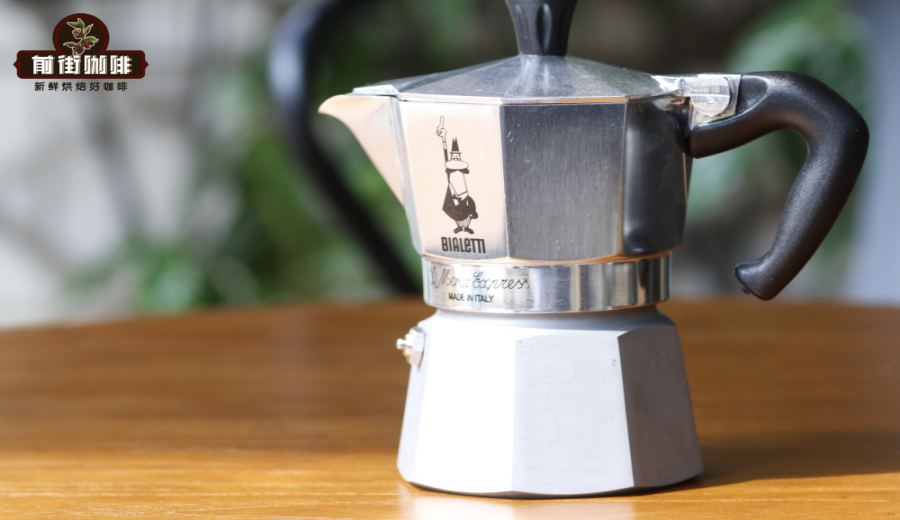
Introduction:The Moka pot is the go-to tool for many coffee enthusiasts who want to quickly brew espresso-style coffee at home, and the classic eight-sided Bialetti Moka pot is the most iconic representative among them. This article will delve into the history, structural design, and pressurized extraction principles of the Bialetti Moka pot, and provide detailed guidance on selecting suitable coffee beans and grind sizes, as well as mastering proper heating techniques. It will help you start from scratch and consistently brew a rich and smooth cup of Moka pot coffee at home.
Among the many home coffee brewing devices, the Moka pot stands out for its simplicity and strong extraction performance, making it an essential kitchen tool for many coffee lovers. Among them, the classic eight-sided Moka pot by the Italian brand Bialetti is not only a design icon but also a symbol of global home coffee culture. Since its debut in 1933, this device has barely changed in appearance—what kind of charm and secrets does it hold? This article will fully dissect its historical background and structural principles, and offer practical usage tips, helping you master everything from bean selection to brewing in one go.
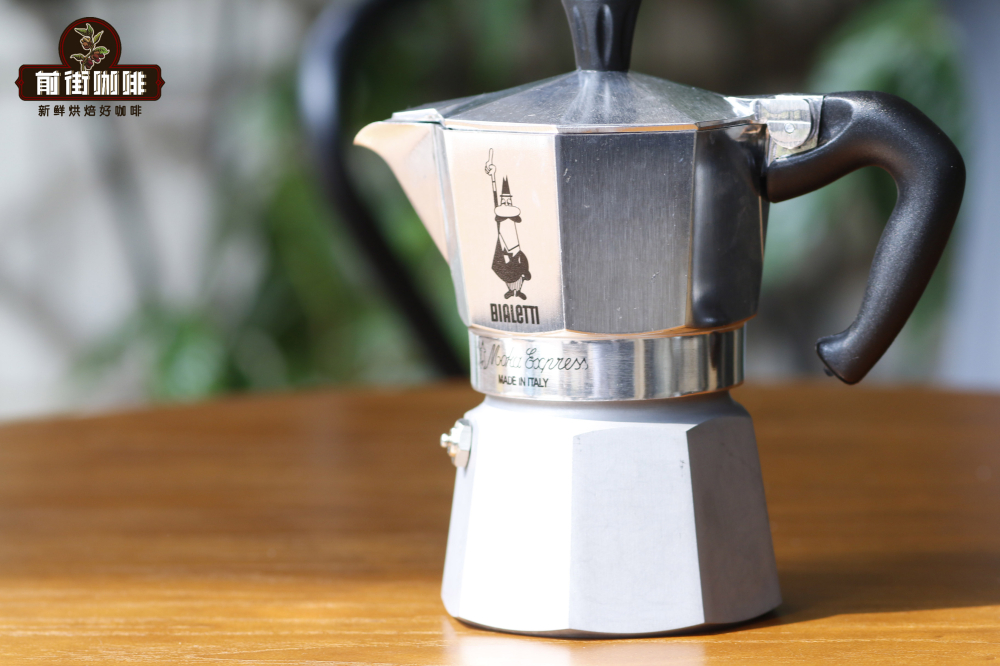
When it comes to the Moka pot, the influence of Bialetti cannot be overlooked. As early as 1933, Alfonso Bialetti designed the first device that could produce espresso-like coffee at home—the Moka pot we know today. Surprisingly, since its introduction, the eight-sided Moka pot has undergone almost no significant changes in material selection, structural design, or overall appearance, preserving its most original classic look. This design even ranked alongside the Vespa scooter and the Fiat 500 car among the most iconic examples of 20th-century Italian industrial design, showcasing its cultural significance.
Although Alfonso Bialetti, the founder of Bialetti, invented this revolutionary device, it was his son Renato Bialetti who truly brought it into millions of homes. After the war, Renato returned from Germany, restarted the production line left by his father, and successfully promoted the Moka Express Moka pot to the global market through bold and diverse marketing strategies—from print advertisements and large sculptures to exhibition promotions. Production increased from just 10,000 units per year in the early days to 1,000 units per day, with cumulative sales exceeding 300 million units. This eight-sided pot has become a shared memory for Italian families and coffee lovers around the world.
It’s worth mentioning that even to this day, Bialetti’s Moka Express Moka pot still adheres to some manual production processes. In particular, the lower chamber retains the unique handmade texture and feel, continuing the manufacturing tradition since 1933. Each authentic Bialetti Moka pot also features a cast image of an eight-sided mustached male character, which is the brand logo inspired by the founder Alfonso Bialetti, symbolizing the heritage and spirit of this device.

The reason the Moka pot can brew rich coffee at home lies in its unique pressurized extraction structure. It mainly consists of three components: the lower chamber holds water, the middle chamber holds coffee grounds, and the upper chamber collects the extracted coffee. To use it, first pour water into the lower chamber (it’s recommended that the water level does not exceed 0.5 cm below the pressure relief valve, which helps control heating time and pressure), then fill the middle coffee chamber with finely ground coffee without tamping—just level it evenly—and then assemble and tighten the upper and lower chambers.
As it heats up, the water in the lower chamber turns into steam, increasing the pressure and forcing the water to rise through the coffee grounds in the middle chamber, eventually dripping into the upper chamber to form a cup of coffee rich in crema and aroma. While this pressurized extraction method is not as intense as the high-pressure extraction of professional espresso machines, it can still replicate espresso-like flavor characteristics at home.
When choosing coffee beans, since the Moka pot uses pressurized extraction, it is recommended to select medium to dark roasted beans, which help bring out rich crema and toasty flavors. For example, those who prefer a strong, rich taste with nutty and chocolatey notes might consider a dark roasted Indonesian Golden Mandheling, whose low acidity and bold body are perfect for Moka pot brewing. If you enjoy fruity and slightly acidic profiles, you can try blends featuring honey-processed beans, such as those combining beans from Costa Rica, Ethiopia, and Colombia, which can showcase a sweet strawberry taffy-like flavor with balanced acidity and sweetness.
As for grind size, it is one of the key factors affecting the success of Moka pot extraction. It is recommended to use a fine but not overly fine grind, roughly between #3 and #3.5 on the EK-43s grinder—similar to the coarseness of fine salt. A grind that is too fine may lead to slow water flow, excessive pressure, or even safety risks; a grind that is too coarse will allow water to pass through too quickly, resulting in under-extraction and a weak flavor. If you notice that the water has boiled but the coffee is not flowing out, turn off the heat immediately and check.

In terms of actual operation steps, first pour hot water into the lower chamber, keeping the water level about 0.5 cm below the pressure relief valve, which helps reduce heating time and the risk of overpressure. Then, add the pre-ground coffee into the middle coffee chamber, gently shake it to allow the coffee bed to settle naturally and level out—do not tamp it down. After assembling the upper and lower chambers, it is recommended to use a ceramic stove for heating, as its stable heat source aids in temperature control.
When the Moka pot starts making a distinct “wuu wuu” sound, it indicates that the internal pressure is gradually increasing. At this point, reduce the heat to low and open the lid of the upper chamber to observe the coffee beginning to flow out. When about half of the coffee has flowed into the upper chamber, it is recommended to turn off the heat and let the remaining coffee finish extracting using the residual heat and pressure inside the pot. This helps avoid over-extraction while preserving more complete aroma and crema characteristics.
The above content is compiled by CoffeeHunters, a coffee news website.


