







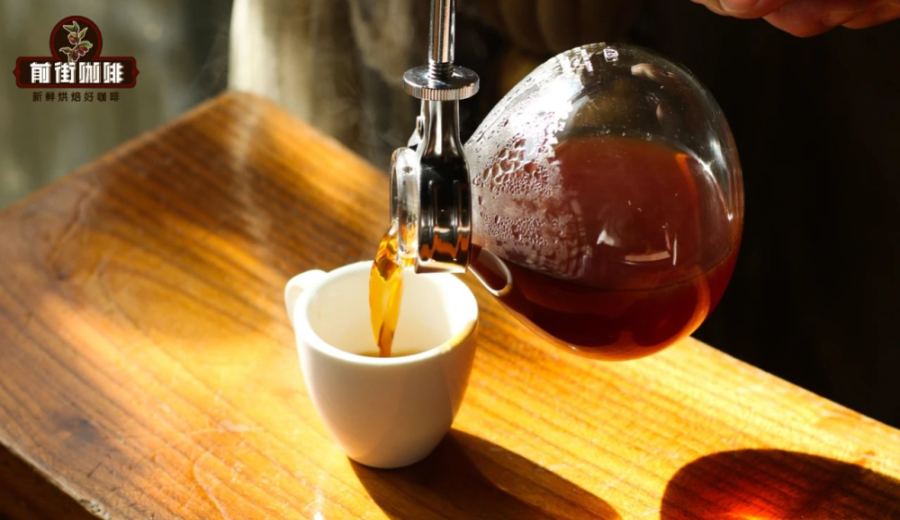
Introduction:Have you ever brewed coffee with a siphon and found that the flavor wasn’t as rich as expected? This is often closely related to operational details and the choice of coffee beans. This article delves into the working principle of the siphon, explores the reasons behind flat extraction flavors, and compares stirring and immersion methods in practice. Using Costa Rica’s raisin honey-processed beans as an example, it helps you uncover the key to making siphon coffee more aromatic, while also providing practical advice on water temperature, grind size, and filter cloth maintenance.
Siphon-brewed coffee should be layered, with rich aroma and smooth mouthfeel, but sometimes it turns out weak and lacking highlights. This is often due to improper operation or unsuitable coffee bean varieties. The siphon filters through a cloth with slightly larger pores that retain fine particles, contributing to good texture and body. This article will start with the historical background and working principle of the siphon, analyze how different brewing methods affect flavor, and use Costa Rica’s Canet Estate’s raisin honey-processed Mozart beans as an example to demonstrate how precise parameters and techniques can extract a rich coffee with floral, fruity, and fermented aromas. It also shares practical tips on water temperature control and filter cloth care.
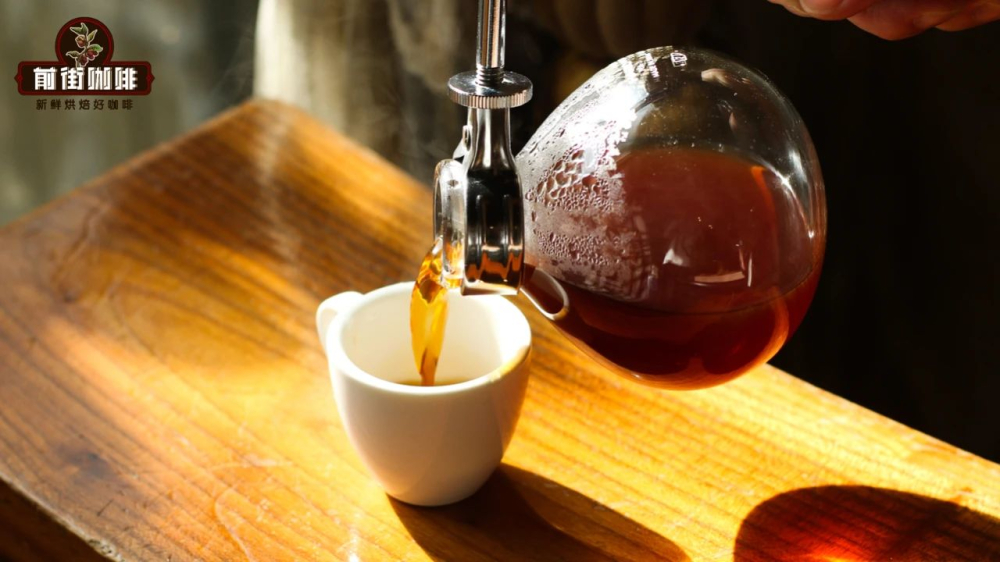 The key to a successful siphon coffee lies in detail control and bean variety pairing. The siphon uses the principle of siphoning—by heating the lower chamber to create steam pressure, which pushes hot water up to the upper chamber to mix with coffee grounds. Removing the heat source then creates negative pressure, causing the coffee liquid to flow back down to complete extraction. In this process, although the filter cloth doesn’t completely block fine particles, it retains an appropriate amount of granularity, giving the coffee more texture in the mouth. However, improper operation—such as unstable water temperature, incorrect grind size, or failure to fully bring out the bean characteristics—can result in bland extraction.
The history of the siphon dates back to early 19th-century Europe, about seventy years before pour over coffee appeared. Between 1830 and 1840, Loeff in Berlin, Germany, first created a glass double-chamber siphon structure and obtained a patent. Later, through technical improvements by countries such as France, England, and Germany, the device was introduced to Japan and Denmark in the mid-20th century, gradually gaining popularity, and reached its market peak in the 1950s. Understanding the evolution of the siphon helps us better grasp its operational essence and original design intent.
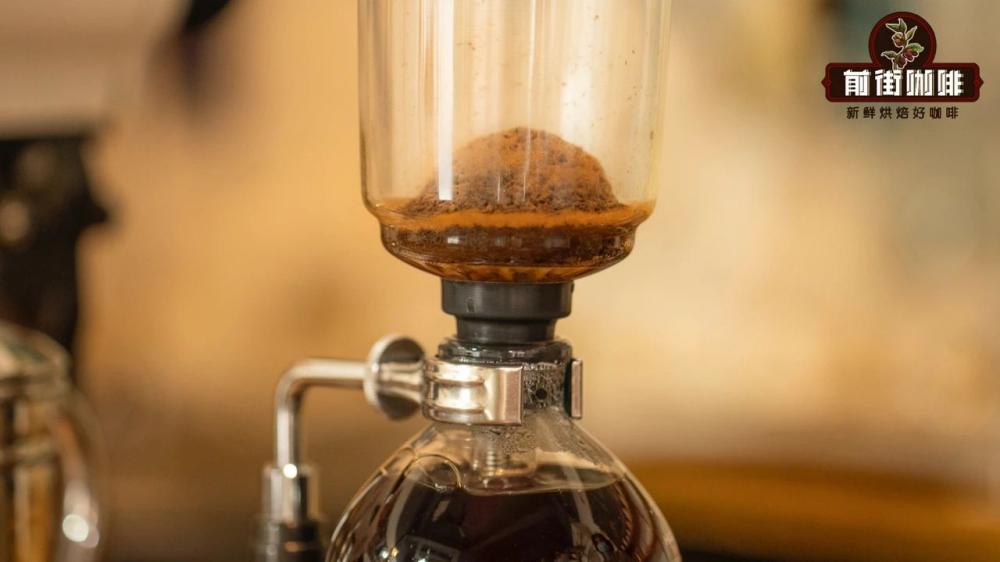
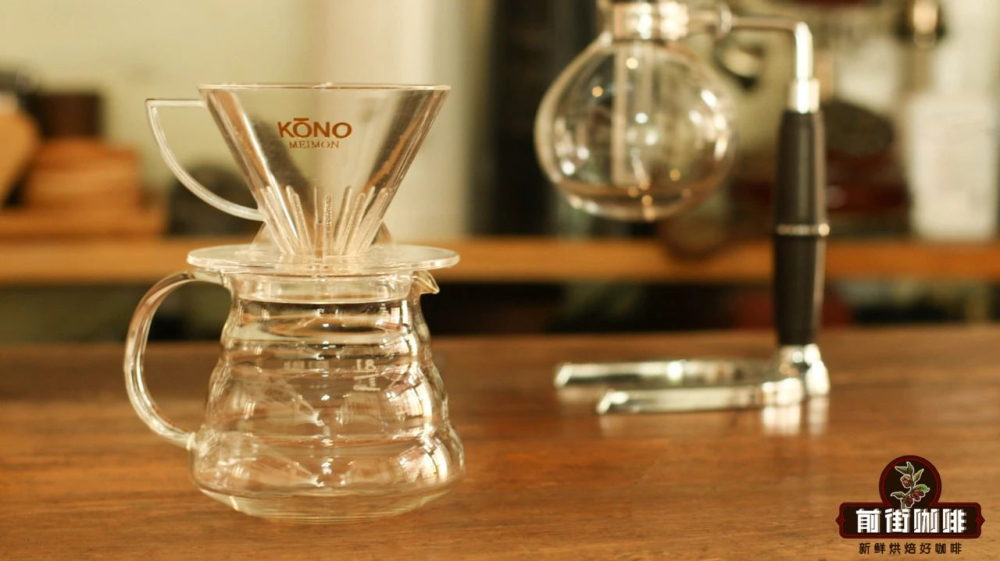 The basic structure of a siphon includes the lower and upper chambers: the lower chamber is a spherical container with volume markings, mainly used to hold the brewed coffee liquid; the upper chamber is a vertical cylinder responsible for mixing and extracting the coffee grounds with hot water. Its operating principle is based on a simple physical siphon phenomenon: when the water in the lower chamber is heated, the resulting steam pressure pushes the hot water up through the connecting tube into the upper chamber to contact the coffee grounds. After extraction, removing the heat source causes the lower chamber to form a near-vacuum state, and the pressure difference causes the coffee liquid in the upper chamber to flow back down, with coffee grounds intercepted by the filter cloth.
In practice, different brewing methods can be used to adjust the flavor profile. Below are two common methods—stirring and immersion—compared through practical testing using Costa Rica’s Canet Estate Mozart coffee beans. These beans are from the high-altitude region of Tarrazú (1950 meters), of the Caturra and Catuai varieties, and are processed with the raisin honey method, giving them intense fermented aromas, berry and raisin notes, complemented by osmanthus and caramel undertones. They are well-suited for showcasing the potential of the siphon.
The parameters for the stirring method are as follows: a 1:10 coffee-to-water ratio, using 20 grams of coffee powder with a medium-fine grind (equivalent to the 9th setting on an EK43s grinder, or 85% passing rate through a 20-mesh sieve in the Chinese standard), and water temperature controlled at 90°C. The specific steps are: pour 200 grams of water into the lower chamber, and when the water reaches 90°C, assemble and seal the upper chamber. Heat to raise the water up to the upper chamber. Then add the coffee powder and stir thoroughly. At around 30 seconds, stir in a cross pattern to break the crust, turn off the heat at 56 seconds, and allow the coffee liquid to flow back naturally. The total extraction time is about 1 minute and 8 seconds. This method produces coffee with pronounced floral, berry, fermented wine, and raisin flavors, a full-bodied mouthfeel, and a warm, sweet-and-sour aftertaste.
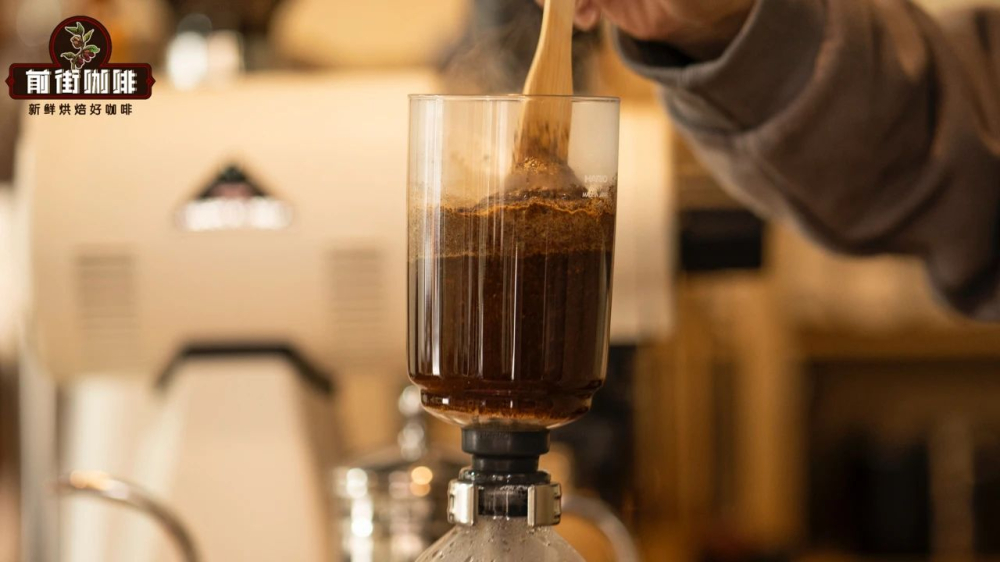 The other method is immersion, using the same coffee-to-water ratio and grind size, with water temperature also at 90°C. The operation involves heating the water up to the upper chamber, adding the coffee powder and mixing well, letting it steep for about 1 minute before removing the heat source to let the coffee liquid flow back. The total time is about 1 minute and 32 seconds. This method yields a flavor dominated by osmanthus, with berry and raisin sweetness emerging as the temperature slightly drops. The overall mouthfeel is crisper, with a slightly thinner body but clear layers. Both methods have their unique characteristics, and users can choose based on personal taste preferences.
It’s particularly important to note that water temperature stability is crucial during siphon extraction. It’s recommended to maintain the water temperature between 86–94°C. This range helps maintain stable extraction efficiency, avoiding over-extraction or under-extraction, and even beginners can more easily master it to brew coffee with a full body and bright aroma. Additionally, cleaning and maintaining the filter cloth should not be overlooked. It should be cleaned immediately after each use to prevent residual oils and coffee grounds from affecting subsequent extraction flavors. It’s advisable to replace the filter cloth regularly to maintain optimal performance.
Overall, the reasons for flat siphon coffee flavors may stem from improper water temperature control, unsuitable grind size, failure to leverage the bean variety’s characteristics, or not adjusting the brewing method according to the beans. By comparing the stirring and immersion methods through experiments, one can better understand different flavor expressions. Paired with high-quality and properly processed coffee beans—such as Costa Rica’s raisin honey-processed Mozart—unique aromas and layers can be highlighted. With the right techniques, the siphon can consistently deliver a rich and full-bodied coffee experience.
The above content is compiled by CoffeeHunters, a coffee news website.


