







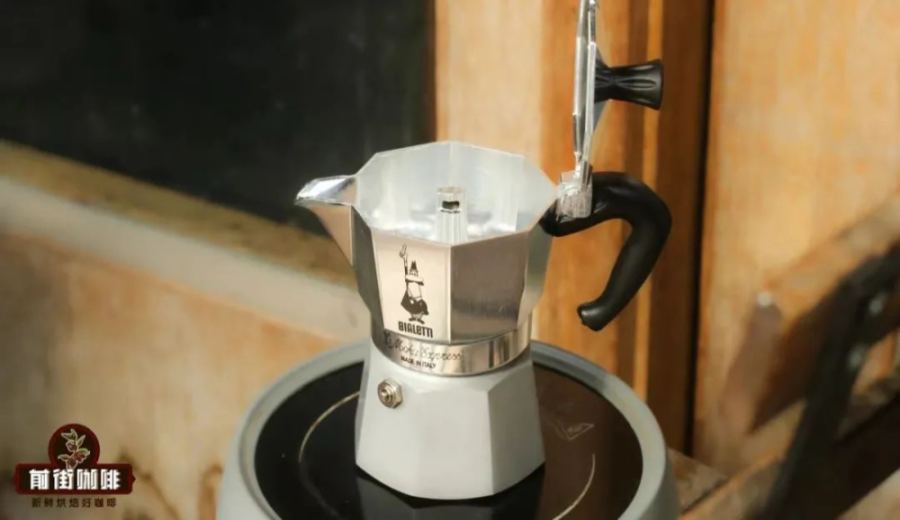
Introduction:The moka pot is the go-to brewing tool for many coffee enthusiasts who want to make espresso-style coffee at home. This article delves into the extraction principles of the moka pot, helping you understand how to choose the right coffee beans based on bean characteristics. It also provides detailed guidance on coffee-to-water ratio, grind size, and various operational parameters to help beginners get started quickly. The article further recommends several coffee bean options well-suited for the moka pot, complete with step-by-step photo illustrations — from pouring water to extracting coffee — to guide you hand-in-hand in brewing a rich and aromatic cup.
The moka pot is a common espresso-making device in Italian households. Thanks to its simple operation and its ability to produce a coffee flavor similar to that of professional espresso machines, it has gradually gained popularity in places like Taiwan and Hong Kong in recent years. If you want to easily make espresso at home with crema and layered flavors, the moka pot is an excellent choice. This article will detail how the moka pot works, guide you in selecting coffee beans according to different needs, and help you master key factors such as coffee-to-water ratio, grind size, and operation procedures, so you can brew your ideal cup step by step.
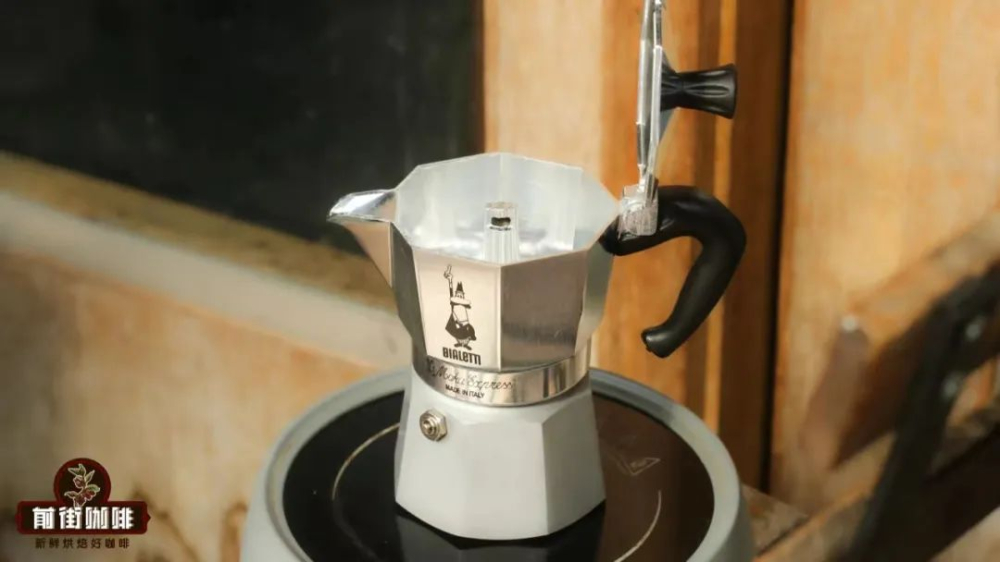
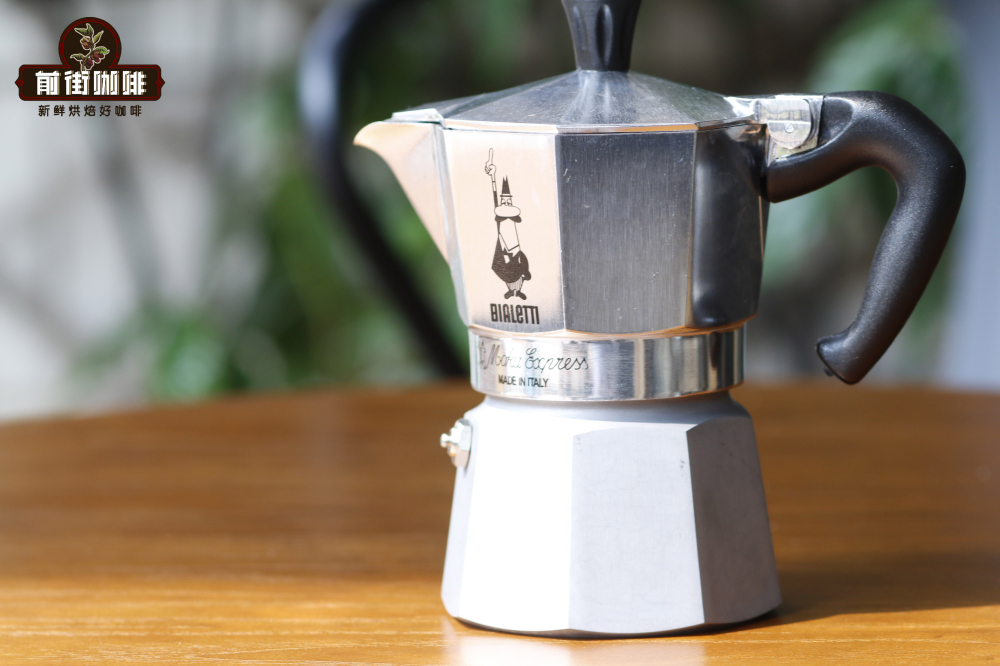
The moka pot mainly consists of three parts: the lower chamber that holds water, the middle filter basket that holds the coffee grounds, and the upper chamber that collects the brewed coffee. When heated, the water in the lower chamber generates steam pressure, which pushes the water upward through a narrow tube, passing through the coffee grounds, and finally collecting in the upper chamber to form espresso. The pressure produced in this process is typically between 1.5 to 3 bar, which, although not as high as the 9 bar of a professional espresso machine, is still sufficient to extract a certain amount of coffee crema and a rich flavor.
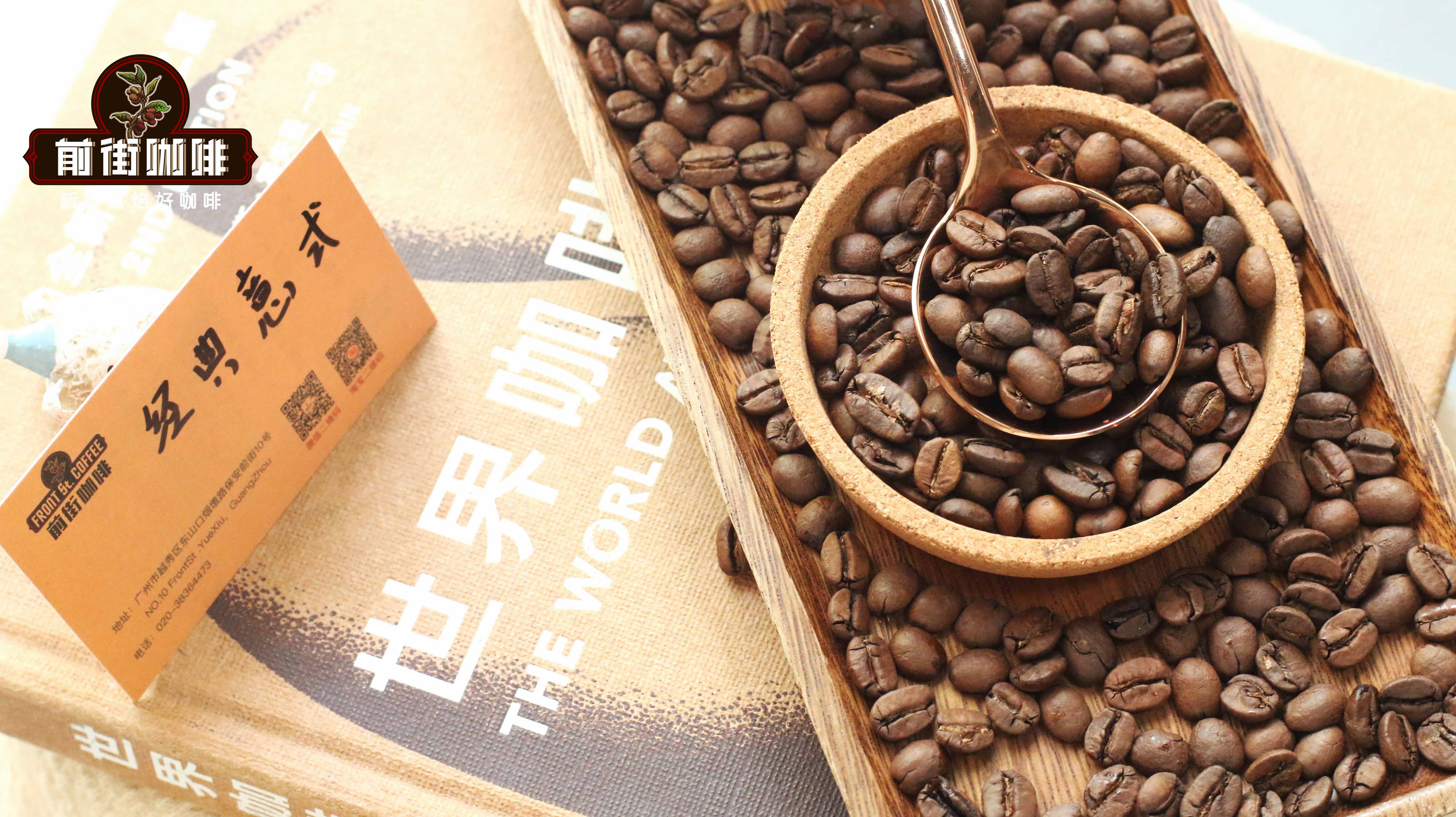
For beginners new to the moka pot, selecting the right coffee beans is the first step to success. It is generally recommended to use medium to dark roasted coffee beans. This roast level highlights the coffee’s body and layers of crema, while bringing out deep-roast flavor notes such as nuts, chocolate, cocoa, cream, and caramel, which help to bring out the characteristics of the moka pot. In addition, the freshness of the coffee beans is crucial. It is advisable to choose products that have been recently roasted (within about 5 days) and are well stored to ensure optimal flavor expression.
When selecting coffee beans, pay attention to the roast information and flavor descriptions. Common flavor profiles suitable for the moka pot include nuts, dark chocolate, cream, caramel, spices, and some fruit notes. Choosing based on these directions usually won’t go wrong. Additionally, the recommended coffee-to-water ratio is between 1:15 and 1:18, adjustable according to personal taste; the grind size should be similar to that of fine sugar or espresso-specific grind. Too coarse a grind may result in under-extraction, while too fine may lead to over-extraction or channeling.
The following are several coffee bean recommendations well-suited for use with the moka pot. Each has its unique flavor profile, catering to different brewing preferences:
First is a classic Italian blend derived from a traditional recipe with a small addition of Robusta beans. Its flavors are dominated by cocoa, biscuit, and nuts, with a noticeable crema texture, making it suitable for making lattes or practicing latte art. Another commercial Italian blend combines Brazilian, Colombian, and Vietnamese beans, offering a balanced profile of nuts and chocolate, complemented by the aroma of buttery cookies. It is ideal for users who value crema and is suitable for both home and commercial use.
If you prefer bright acidity and a clean taste, you might try the Paradise Bird from Papua New Guinea. Its flavor is fresh and balanced, and its layered profile reminiscent of Blue Mountain coffee is quite impressive. Meanwhile, the washed coffee from Huila, Colombia, primarily of the Caturra variety, boasts strong dark chocolate and nut aromas, with gentle fruity acidity at medium temperatures. It’s suitable for various brewing methods, including the moka pot, French press, and pour over.
For those who enjoy nutty profiles, Brazilian coffee beans from the Cerrado region are a great choice. They feature intense flavors of nuts, peanut butter, and creamy chocolate, with a well-balanced bitterness and sweetness and a pleasant aroma. Additionally, Queen’s Estate from Brazil’s high-altitude regions grows the rare Yellow Bourbon variety, offering aromas of creamy chocolate, dark cocoa, and almond. It’s an excellent option for experiencing the diversity of Brazilian beans.
Operating the moka pot is actually not complicated — just follow the steps below. First, fill the lower chamber with hot water, with the water level recommended to be about 0.5 cm below the safety valve. Using hot water helps shorten the heating time. Next, place the ground coffee into the filter basket, gently tap it to allow the grounds to settle naturally, then level the surface. Be careful not to tamp it down, as this may affect the flow of water.
After placing the filter basket into the lower chamber, screw on the upper chamber tightly. Place the entire setup on a heat source (such as a ceramic stove) and begin heating. When you hear a distinct “wuu wuu” sound, it indicates that pressure is gradually building up. At this point, reduce the heat and observe the upper chamber — the coffee and crema will begin to slowly flow out. When about half of the coffee has flowed into the upper chamber, it is recommended to turn off the heat and move the moka pot to a table surface. The remaining coffee will be pushed up into the upper chamber using residual heat and pressure. Finally, pour the coffee into a cup. You can adjust it with hot water to make an Americano or add milk to turn it into a latte, depending on your preference.
By mastering the above points, you’ll be able to easily use the moka pot to brew a cup of coffee with rich flavor and distinct layers, enjoying an espresso-like experience made right at home.
The above content is compiled by CoffeeHunters, a coffee news website.


