







Introduction:Espresso is not only the soul of a café but also an essential base for popular drinks like Americano and Latte. This article delves into the history and evolution of Espresso machines, and provides a detailed introduction to three classic extraction types — Ristretto, Normale, and Lungo — including their coffee-to-water ratios, extraction times, flavor characteristics, the formation principle of crema (the golden crema), and tasting suggestions. From basics to advanced knowledge, it offers a comprehensive guide to mastering the charm of espresso.
Espresso is a fundamental pillar of modern coffee culture. It serves as the base for many classic drinks and also comes in diverse extraction forms with unique flavor expressions. In Italian, "Espresso" means "fast," as this type of coffee can be made and enjoyed within just a few minutes, perfectly reflecting the Italians' dual pursuit of efficiency and taste.
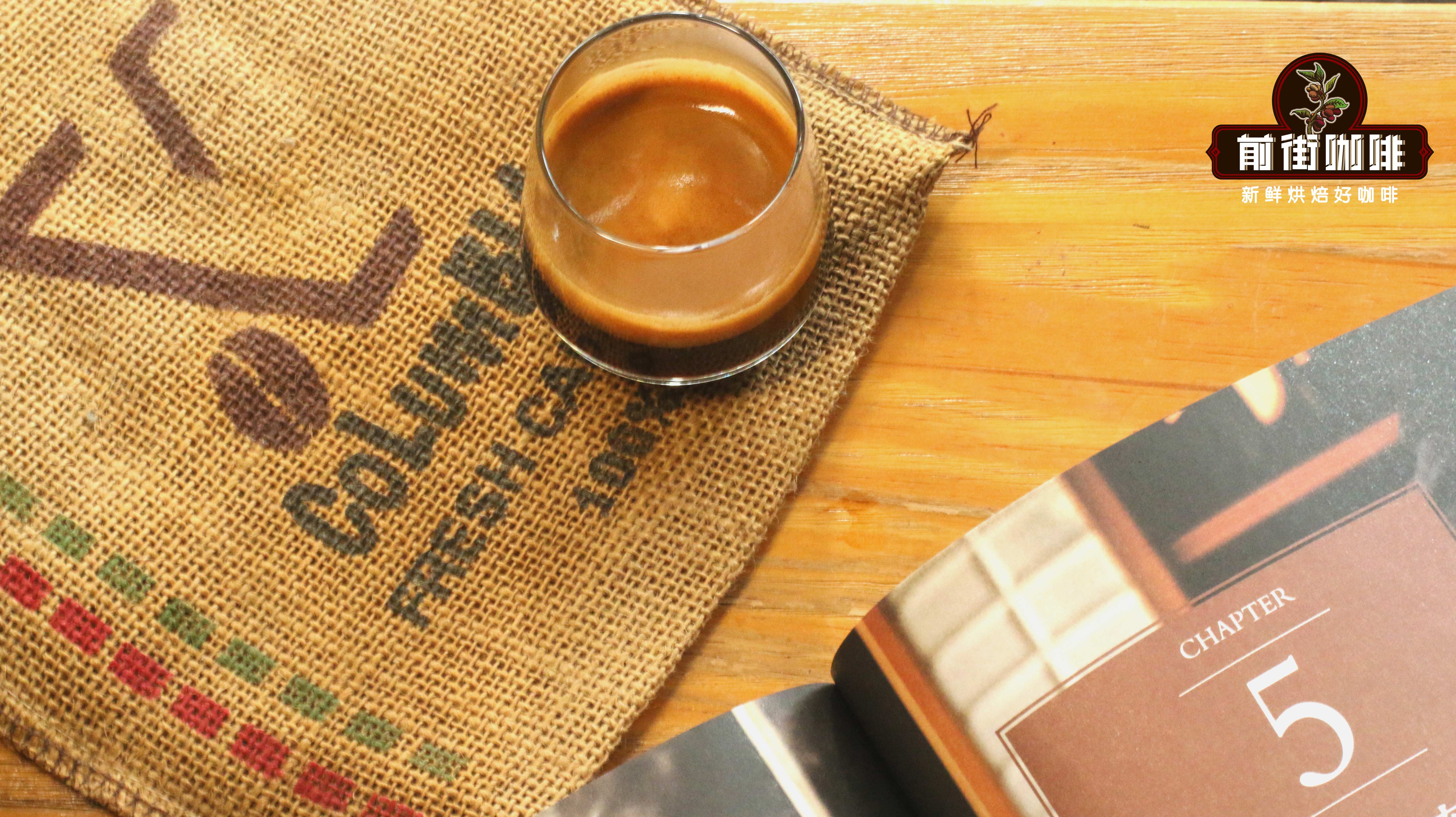
A standard espresso is made by forcing nearly boiling water under high pressure through finely ground coffee, extracting a small amount of dark, rich, and aromatic liquid, topped with a layer of golden fine foam — the so-called "crema." This crema is not only a visual highlight but also one of the key indicators of espresso quality.
Traditional espresso machines can be traced back to 1884, invented by the Italian Angelo Moriondo, who utilized steam pressure to enhance extraction efficiency and improve the body of the coffee. By 1948, Milanese barista Achille Gaggia invented the lever-operated machine, which, through high-pressure extraction, produced stable crema for the first time, laying the technical foundation of modern espresso.
The key to espresso lies in the synergy of high water pressure, high water temperature, and extremely fine coffee grounds, efficiently extracting the aromatic compounds and oils from the coffee. Among them, the coffee-to-water ratio, extraction time, and pressure are all critical factors influencing the final flavor. A common standard espresso (Normale) typically uses 7–10 grams of coffee grounds, extracts for about 30 seconds, and produces 30–40 grams of coffee liquid, with a coffee-to-water ratio of around 1:2 to 1:3, placing both concentration and extraction yield in the optimal range.
In addition to the standard Normale, espresso can also be categorized into three types based on different extraction times and coffee-to-water ratios: Ristretto, Normale, and Lungo.
Ristretto (Short Shot Espresso) It is the most intense of the three types. Its yield is only a fraction of a standard shot — typically using the same amount of coffee grounds, only the first, most concentrated part is extracted. The output is about 20–28 grams of coffee liquid (for example, using 20 grams of coffee), with an extraction time shortened to about 15–20 seconds, and a coffee-to-water ratio of around 1:1.4 to 1:1.5. Due to the short extraction time, acidity is less pronounced, and the flavors are more concentrated, sweet, and rich in caramel and chocolate notes, making it an ideal base for drinks like Flat White.
Normale (Standard Espresso / Regular Espresso) This is the most commonly encountered form and the standard offering in most cafés. Typically, 20 grams of coffee grounds are used to extract 40 grams of coffee liquid, with an extraction time of about 25–30 seconds and a coffee-to-water ratio of 1:2. Both concentration and balance are relatively ideal. This type of espresso features a prominent crema, with a rich flavor profile often showcasing notes of nuts, caramel, dark chocolate, and a hint of berry acidity. It’s suitable for drinking straight or as a base for other coffee beverages.
Lungo (Long Shot Espresso) This is a version with a longer extraction time and more water. "Lungo" means "long" in Italian, referring to the extended extraction time and increased water volume. Typically, 20 grams of coffee grounds are used to produce about 100 grams of coffee liquid, with a coffee-to-water ratio of around 1:5, and total extraction time reaching 40–45 seconds. Due to the increased water volume, the flavor is lighter, acidity is relatively more noticeable, and the overall mouthfeel is smoother and gentler, making it suitable for those who prefer a less intense taste. However, it’s important to note that over-extending the extraction may lead to the release of unwanted compounds, affecting overall quality.
Additionally, the formation of crema is closely related to multiple factors, including the roast level of the coffee beans, freshness, grind size, water pressure, and extraction technique. Generally, darker roasted beans, which contain more oils and soluble substances, are more likely to produce a thick and long-lasting crema. However, over-extraction or an imbalanced coffee-to-water ratio may result in a thin crema or undesirable flavors.
When tasting espresso, it’s recommended to first take a sip of water to cleanse your palate, helping you perceive the delicate flavors of the coffee more accurately. Then, take a small sip of the shot — first appreciate the richness and smoothness brought by the crema on the surface, then savor the layers of the underlying coffee liquid: from the initial roasty aromas, to the mid-palate notes of nuts, chocolate, and berries, to the lingering aftertaste of sweetness and warmth. These are all key elements in evaluating a good shot of espresso.
Whether you’re a beginner just starting out or an experienced coffee enthusiast, understanding the characteristics and differences between Ristretto, Normale, and Lungo can give you more direction and depth when tasting or brewing espresso. Choosing the right extraction type not only highlights the potential of the coffee beans themselves but also allows you to tailor the espresso experience to your personal taste preferences.
The above content is compiled by CoffeeHunters, a coffee news website.


