







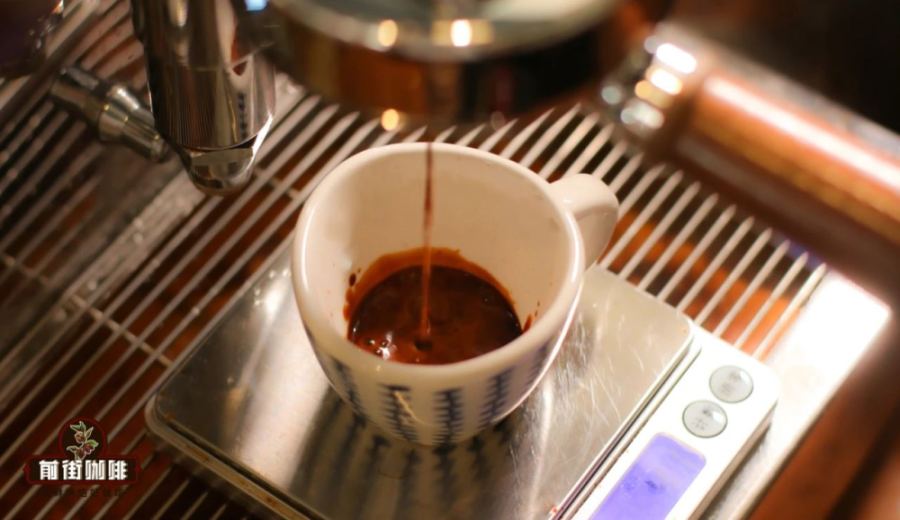
Introduction:Have you ever been put off by the intense bitterness of an espresso? In fact, this concentrated essence of coffee is not only rich and aromatic but also boasts a complex array of flavors. This article delves into the fundamental differences between espresso and Americano, explores how SOE (single origin espresso) can overturn traditional perceptions, and shares key extraction tips and flavor identification techniques to help you better appreciate these two classic types of coffee.
First-time drinkers of espresso are often shocked by its strong bitterness, leading them to wonder: why is such a small cup so bitter? In truth, the allure of espresso lies not just in its bold bitterness, but also in its deep aromas and rich, velvety mouthfeel. This article starts with the characteristics of espresso, examines the sources of its bitterness, and explains how SOE (single origin espresso) challenges the stereotype that “espresso equals bitterness.” It also clarifies the relationship between Americano and the espresso coffee system, helping readers gain a fuller understanding of the features and differences between these two classic beverages.
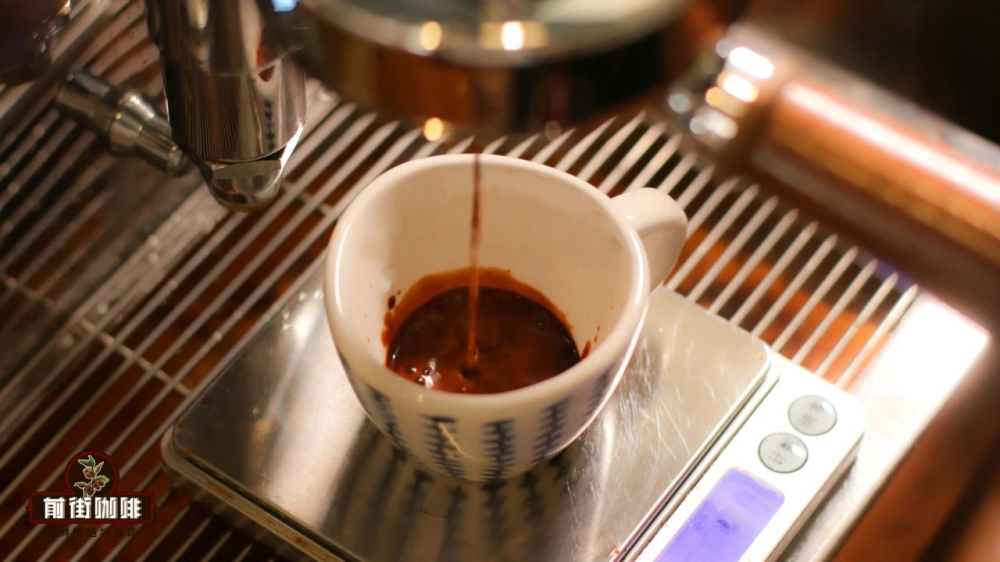 “What’s so good about something this bitter?” This is a common reaction many people have when trying espresso for the first time. Many customers, seeing the relatively high price and extremely small serving size of espresso in cafés, often hesitate—and may even take one sip and exclaim, “It’s too bitter!” But in reality, this highly concentrated coffee experience is part of everyday life in Italy, even considered a national drink. Locals are accustomed to its intense, roasted aroma, and even when they often pair it with sugar or milk, they still appreciate its unique flavor.
The essence of espresso lies in using high pressure to extract the most concentrated part of the coffee grounds. Typically, a single shot is only about 30 milliliters, yet it packs the essence of the coffee, delivering a rich and layered mouthfeel—something that methods like drip or pour over can hardly achieve.This high-pressure extraction (usually at 9 bar) fully releases the aromatic compounds and oils from the coffee beans, creating the unique dense texture and crema (coffee foam) that define espresso.
 Espresso made with traditional Italian blends often presents a thick, golden crema with distinct notes of nuts and caramel. While the initial sip may bring a roasted bitterness, it is quickly followed by a creamy smoothness, with a long-lasting aftertaste where the bitterness gradually transforms into sweetness. However, many cafés use dark-roasted blends to cater to the needs of Americanos or lattes based on espresso, which can make the bitterness more pronounced when sipped alone. It’s a bit like finding a diluted fruit juice drink pleasant, but not necessarily wanting to drink pure concentrated juice.
The bitterness of espresso mainly stems from the degree of roasting of the beans used. Many shops, in pursuit of consistency and compatibility with various blended drinks, prefer dark-roasted blends, resulting in a more one-dimensional and bitter taste when sipped straight. However, the rising trend of SOE (Single Origin Espresso) is gradually changing this perception. SOE uses beans from a single origin to make espresso, not only preserving the richness of the crema but also showcasing the unique flavors of that origin—such as nuts, chocolate, citrus, or even floral and fruity notes.
For example, some cafés offer SOE-based Americanos or lattes made with single-origin beans like Queen Estate, Colombian Huila, or Hua Kui, delivering a more nuanced and layered taste rather than a flat bitterness. These SOE beans are often medium to light roasted, better highlighting the terroir characteristics of their origin. If you enjoy exploring the diversity of coffee, it’s worth seeking out cafés that offer single-origin espresso options to experience the unique profiles of beans from different regions.
 Additionally, some cafés choose beans with distinctive flavors and deliberately control the roast level to let the coffee showcase gentle acidity and delicate aromas, rather than simply pursuing intense bitterness. This type of espresso is usually ideal for those who enjoy fruity or floral notes, offering a completely different palate experience.
As for Americano, it is essentially an extension of espresso, made by diluting one or more shots of espresso with hot water. This method not only reduces the overall strength and bitterness but also results in a crisper mouthfeel while retaining the essential aromas and flavors of the coffee. For those who don’t like overly strong coffee but still want a caffeine boost, Americano is a very practical choice. However, since its base is still espresso, using high-quality espresso beans remains key to the final flavor.
The above content is compiled by CoffeeHunters, a coffee news website.


