








Introduction:Are you at a loss when first trying pour over coffee, faced with a dazzling array of origins, varieties, and processing methods? This article selects classic beans from representative regions — including Ethiopia’s Yirgacheffe, Kenya’s AA Sasia, Brazil’s Fazenda Rainha, Panama’s Hacienda Esmeralda Geisha, Indonesia’s Golden Mandheling, and China’s Yunnan Typica — and offers an in-depth analysis of their flavor profiles and recommended brewing parameters to help you build your own personalized coffee tasting map.
A common question among beginners new to pour over is: “Which beans should I buy?” With so many options from different origins, varieties, processing methods, and roast levels, how do you pick the one that truly suits your taste? This article will systematically introduce representative beans from classic regions across Africa, the Americas, Asia, and China’s Yunnan — including Yirgacheffe, Kenya AA Sasia, Brazil’s Fazenda Rainha, PWN Golden Mandheling, Hacienda Esmeralda Geisha, and the 2013 Yunnan Typica. It also details key factors affecting pour over flavors such as water quality, grind size, brew ratio, and filter choice, guiding you step by step to establish your own coffee flavor memory bank.
Many who are just starting to explore specialty coffee often ask: “What beans should I get for pour over?” Which one is best suited to my taste? For seasoned coffee enthusiasts, this might not be a problem, but beginners can easily feel overwhelmed when facing the wide variety of beans from different countries, varieties, processing methods, and roast levels available in cafés. How do you choose the one that best matches your palate? Let’s start by understanding the characteristics of each origin.
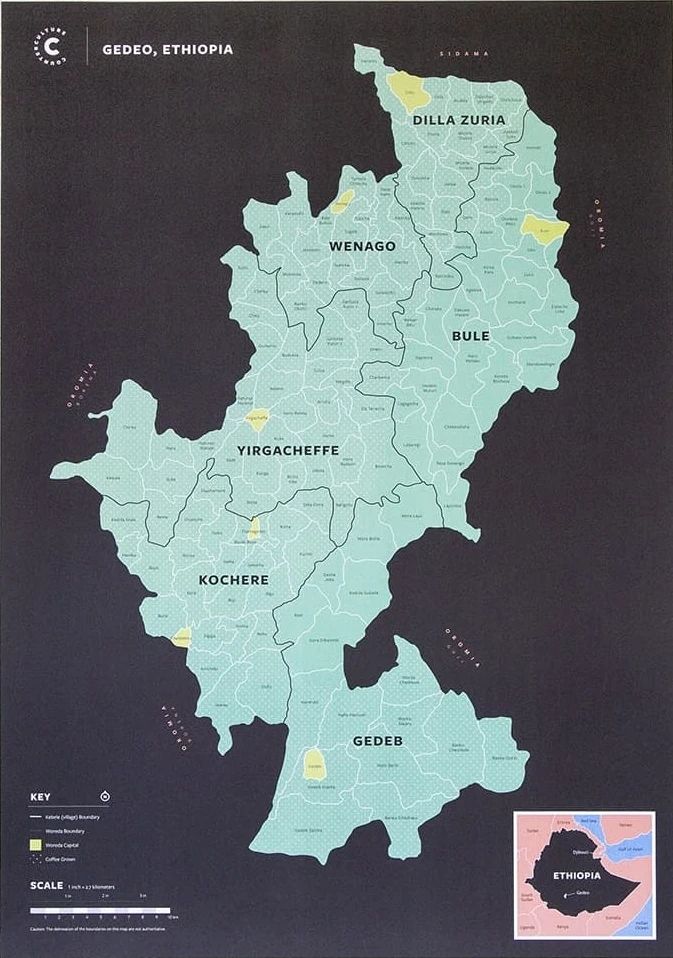
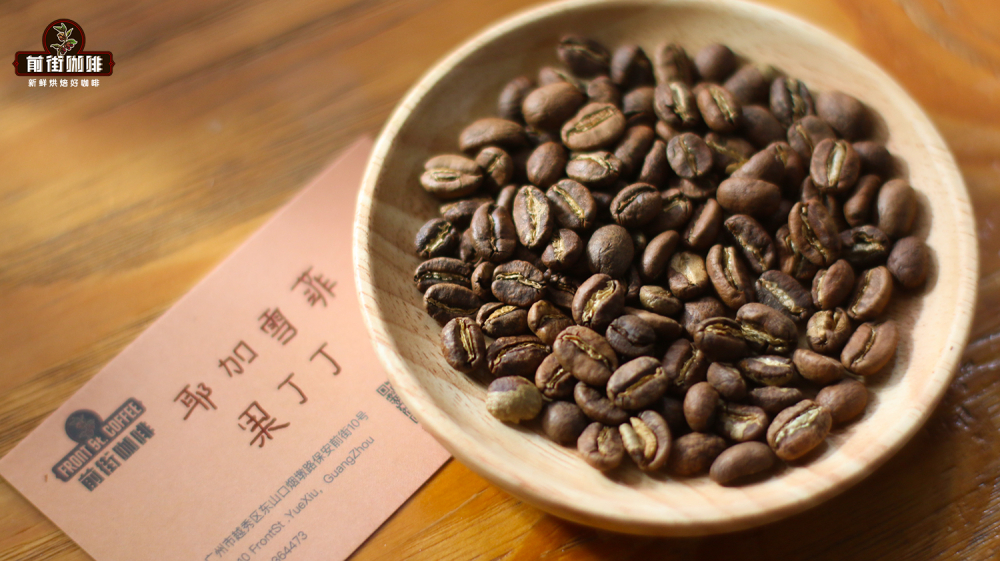
Coffee, tea, and cocoa are known as the world’s three major beverages. Although coffee has only been in China for just over a hundred years, the domestic coffee market has developed rapidly in recent years, and the number of coffee drinkers has grown steadily. Let’s start with Africa — Ethiopia’s Yirgacheffe is often the first bean that many specialty coffee beginners encounter. Yirgacheffe was originally just a sub-region within Ethiopia’s Sidamo region, but due to the exceptional flavor and production methods of the beans from this area, the Ethiopian government even began labeling beans from other regions as Yirgacheffe, eventually making it an independent and well-known origin. The Ethiopian Yirgacheffe washed Guji Dingding comes from the Guji Dingding cooperative in Yirgacheffe, grown at an altitude of about 2000 to 2100 meters using local heirloom varieties. Processed via the washed method, it exhibits bright citrus, black tea, floral, creamy, caramel, and almond notes, with a vibrant acidity, clean mouthfeel, and unique tea-like quality. As described by Master Han Huai Zong in “The World of Specialty Coffee”: “The moment coffee touches the tongue, it blooms like a garden of flowers.”
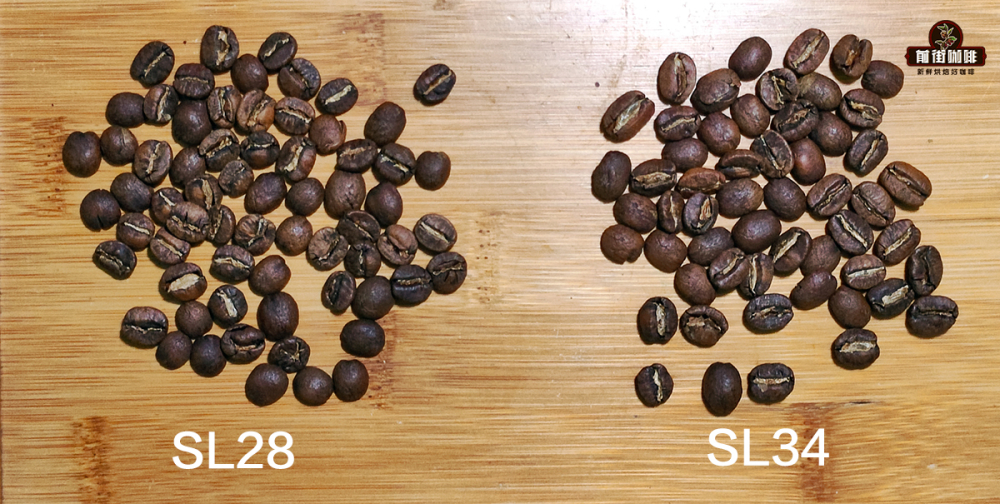
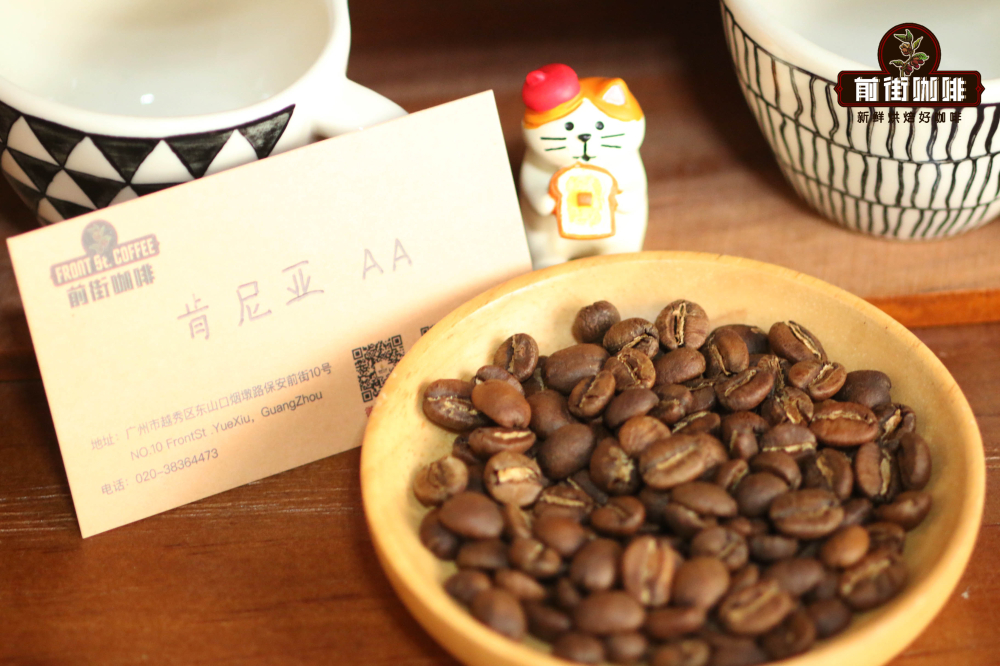
Next, let’s move to Kenya, where coffee enjoys an exceptionally high reputation among enthusiasts. Kenya was one of the first regions to introduce Bourbon and Kent varieties from India, and later planted Jamaican Blue Mountain Typica on Mount Elgon. However, the most renowned varieties today are SL28 and SL34. These two were selected and cultivated by the Kenyan National Agricultural Laboratories (formerly the Scott Laboratories). SL28 is drought-resistant and pest-resistant, suitable for medium to high altitudes, while SL34 thrives in rainy, high-altitude environments. Their flavors are similar, but SL34 has a richer acidity and fuller body. Kenya’s signature blackberry-like acidity comes partly from the region’s phosphorus-rich soil and partly from the famous K72 washed process — the coffee cherries are depulped, fermented in water for 24 hours, washed, and this process is repeated three times for a total fermentation time of 72 hours. The Kenya AA Sasia beans use this process, produced at the Asali mill in the Thika region at an altitude of 1550 to 1750 meters, using SL28 and SL34 varieties. The flavors include snow pear, black plum, brown sugar, cherry tomato, and plum, with bright and clean acidity.
Moving to Brazil, the world’s largest coffee producer with a coffee-growing history spanning more than three hundred years. In the 1720s, a Portuguese captain in Brazil won the favor of the wife of the French governor of Cayenne in French Guiana through his charm, successfully bringing coffee seeds to Brazil. Brazilian coffee is generally grown at lower altitudes, around 400 to 1600 meters, and often undergoes natural processing, resulting in beans with lower density and softer texture. This style contrasts sharply with African coffees. The Brazil Fazenda Rainha Yellow Bourbon comes from the Mogiana region, grown at 1400 to 1950 meters using the Yellow Bourbon variety. Processed via natural (sun-dried) methods, it presents flavors of nuts, creamy peanut, cane sugar, and fermented fruit. It has low acidity and good body, making it ideal for those who prefer less intense acidity.
Among Indonesian coffees, although kopi luwak may command high prices due to its rarity, the more commonly accessible variety for general consumers is Mandheling. Indonesia's PWN Golden Mandheling comes from the Gayo highlands in Aceh, Sumatra, at elevations between 1100 and 1600 meters, and is of the Ateng variety. It is processed using the unique wet-hulled method. Due to Indonesia’s rainy climate and short daylight hours, the water-intensive washed process is less practical, so the semi-washed method (i.e., wet-hulling) is more common: after the coffee cherries are depulped and pulped, they are soaked for 1 to 2 hours to remove some of the mucilage, then dried to a moisture content of 20% to 35% in the first drying phase, followed by a second drying phase to around 18%, and finally the parchment layer is removed and the beans are dried to 11%. This method gives Mandheling its characteristic low acidity, full body, and earthy aroma, with flavors often including spices, nuts, pine, caramel, herbs, and chocolate.
In Central America, Panama is globally renowned for its Geisha coffee, a trend that began with the Hacienda Esmeralda estate. The Geisha variety was introduced to Panama in the 1960s and, after decades of development, gained fame after winning the Best of Panama (BOP) competition in 2004. Geisha has stringent growing requirements, needing high altitudes, shaded cultivation, and fertile soil—conditions that contribute to its delicate and elegant floral and fruity acidity. Panama's Hacienda Esmeralda Red Label Geisha is grown in the Boquete region at elevations above 1700 meters, of the Geisha variety, and processed using the natural (sun-dried) method, resulting in captivating flavors of citrus, jasmine, honey, and berries.
Returning to China, the history of Yunnan coffee cultivation has various accounts, roughly between 1902 and 1904. Early plantings were dominated by Typica, but driven by international market trends and policy shifts, the disease-resistant, high-yield, yet more flavor-neutral Catimor gradually became the mainstream. In 2013, the traditional Typica variety was replanted in Lincang, Yunnan, and in 2021, the “2013 Yunnan Typica” coffee beans were launched. These beans come from the grower’s own estate in the Lincang region, grown at an altitude of 1300 meters, and processed using the sun-dried method, showcasing unique flavors such as berries, brown sugar, nuts, and a tea-like profile.
Pour over coffee may seem simple, but even with the same person and the same coffee beans, each brew can yield subtle differences. To brew a satisfying cup of pour over coffee,factors such as water quality, grind size, brew ratio, and filter choiceare crucial. For water quality, it is not recommended to use tap water directly for daily brewing; filtered water or mineral water with appropriate mineral content is preferred, and the water temperature is generally controlled between 85°C and 93°C. Grind size directly affects concentration and extraction efficiency—finer grinds usually result in higher concentration and body, while coarser grinds do the opposite. A grind size that allows 70% to 80% of the particles to pass through a No. 20 sieve is recommended. Brew ratio is equally important, with a recommended range of 1:15 to 1:16, which helps balance acidity, sweetness, and bitterness. As for filter types, traditional V-shaped filters have slower flow rates, resulting in fuller body but potential for channeling, cone-shaped filters have faster flow rates but may yield lighter flavors, and wave-shaped filters (like the V60), with their flat bottoms and groove designs, allow smooth water flow and even flavor distribution. For light roasts, the V60 is recommended, while for dark roasts, slower-flowing filters like the Kono are more suitable.
In short, whether it’s the bright fruit acids of Africa, the rich nuttiness of the Americas, or the bold spice notes of Asia, each coffee bean has its unique personality. Remember, all coffee beans can be used for pour over—the key lies in adjusting the brewing parameters according to the bean variety’s characteristics, and continually experimenting and comparing to find the cup that truly suits you. Building your own flavor memory bank is an essential journey for every coffee enthusiast.
The above content is compiled by CoffeeHunters, a coffee news website.


