







Introduction:Did you know that "Mandheling" is not actually a place of origin, but a misunderstanding of an ethnic group? This article delves into the origins of the name "Mandheling," explores the regional characteristics and wet-hulling processing of Sumatra Golden Mandheling, and provides professional-grade pour over parameters and steps to help you brew a rich and captivating classic flavor.
Mandheling coffee is beloved by many coffee enthusiasts for its low acidity, bold and rich body with a hint of bitterness. But did you know that the name "Mandheling" originally didn’t refer to any specific region, but stemmed from a linguistic misunderstanding? This article will take you on a journey to uncover the true origin of the name "Mandheling" and provide an in-depth look at Sumatra Golden Mandheling—from altitude, variety, processing method to brewing recommendations—offering a comprehensive analysis of this widely loved coffee.
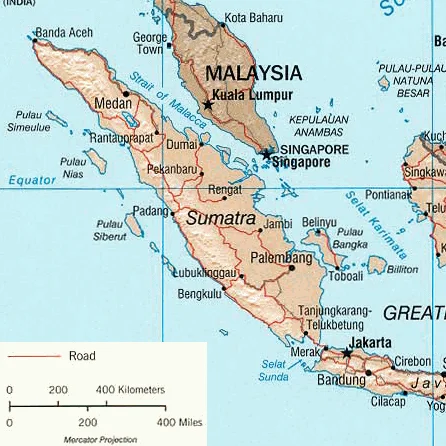
The history of Indonesian coffee dates back to as early as 1699, when Dutch colonists introduced coffee from Yemen to Indonesia and extensively planted it on the island of Sumatra. As the third-largest island in Indonesia, Sumatra is not only a geographical hub but also an important coffee-producing region. Early Indonesian coffee was mostly exported from Java, which is why the term "Java" once became synonymous with high-quality coffee.
As for the name "Mandheling," it has no connection to any port or specific growing region. Historical records indicate that the term originated during World War II, when a Japanese soldier tasted a rich-flavored coffee in Indonesia and asked the shopkeeper for the name of the coffee. The shop owner mistakenly thought he was being asked about his ethnicity and replied "Mandailing," which in Japanese sounds similar to "Mandheling." After returning home, the soldier introduced the coffee through traders, and the term "Mandheling" gradually gained traction in the market, eventually becoming synonymous with Sumatran coffee.
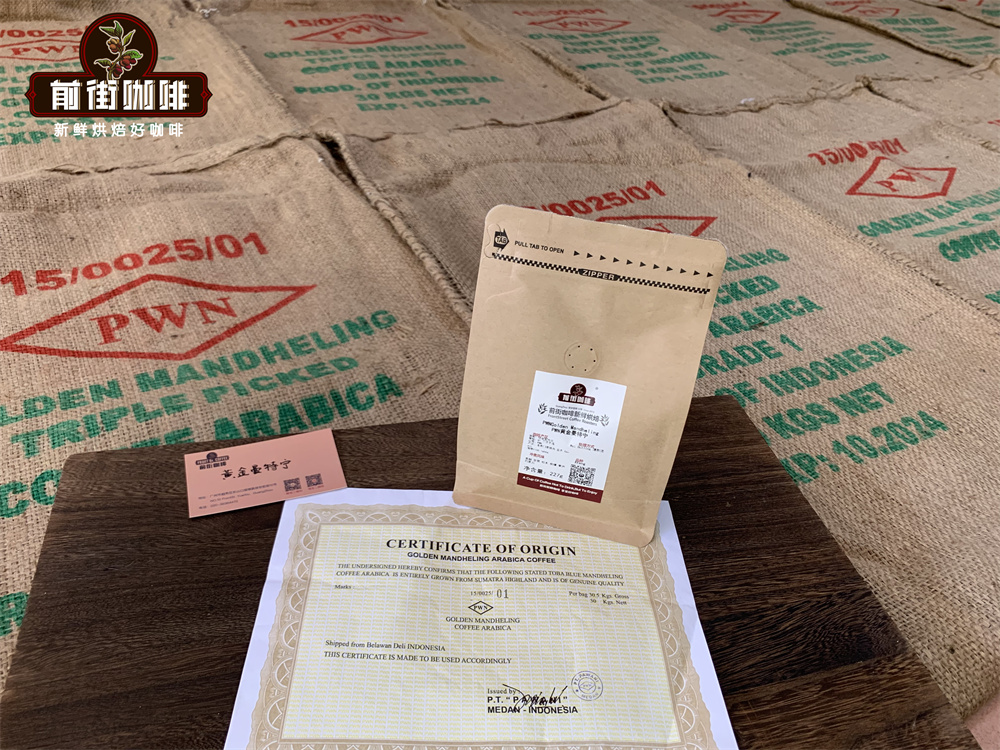
It’s worth noting that the commonly seen "Golden Mandheling" on the market today is a trademark registered by Indonesia’s PWN company, representing the highest grade of Mandheling coffee beans. While other brands have launched similar products, such as "Dingshang Golden Mandheling," only the Golden Mandheling produced by PWN carries the official trademark certification. When purchasing, consumers can ask merchants for the green bean sack or relevant certification documents to confirm whether it comes from PWN, ensuring they are buying an authentic product.
Take the Golden Mandheling produced by PWN as an example: these coffee beans are grown in Sumatra, Indonesia, at altitudes between 1100 and 1600 meters, using the Ateng variety and traditional wet-hulling processing. The green beans are classified as top-tier G1, with no more than 3 defective beans per 300 grams, and undergo three rounds of manual sorting to ensure purity, enhancing sweetness and overall cleanliness.
The wet-hulling process used in Sumatra is one of the key factors influencing the flavor profile of Mandheling. In this method, after harvest, the coffee cherries are first depulped to remove the skin and flesh, then undergo short-term fermentation with the sticky mucilage layer still attached. The mucilage is subsequently washed off with water, and the parchment-covered beans are partially dried before being sent to the processing mill. At the mill, the outermost parchment layer is removed, exposing the green beans to air for final drying. This method helps the coffee retain rich spicy and herbal notes, with low acidity, a bold body, and a smooth mouthfeel.
A certain brand’s PWN Golden Mandheling is roasted to a medium-dark level to enhance its bold and substantial characteristics. After roasting, it is recommended to use a KONO filter with a slower flow rate for pour over brewing to fully showcase its layered flavors and rich profile.
Recommended brewing parameters are as follows: water temperature controlled at 88°C, coffee dosage of about 15 grams, medium-coarse grind (approximately 70% passing through a #20 sieve), and a coffee-to-water ratio of 1:15. Using a three-stage pouring method can more effectively enhance flavor expression: the first pour adds 30 grams of hot water for a 30-second bloom, followed by pouring in small circles from the center outward until reaching 125 grams, then stopping the pour; after the water level drops slightly, continue pouring to 225 grams to finish. The total extraction time is about 2 minutes. Be mindful of grind size and water temperature to avoid over-extraction, which can intensify bitterness.
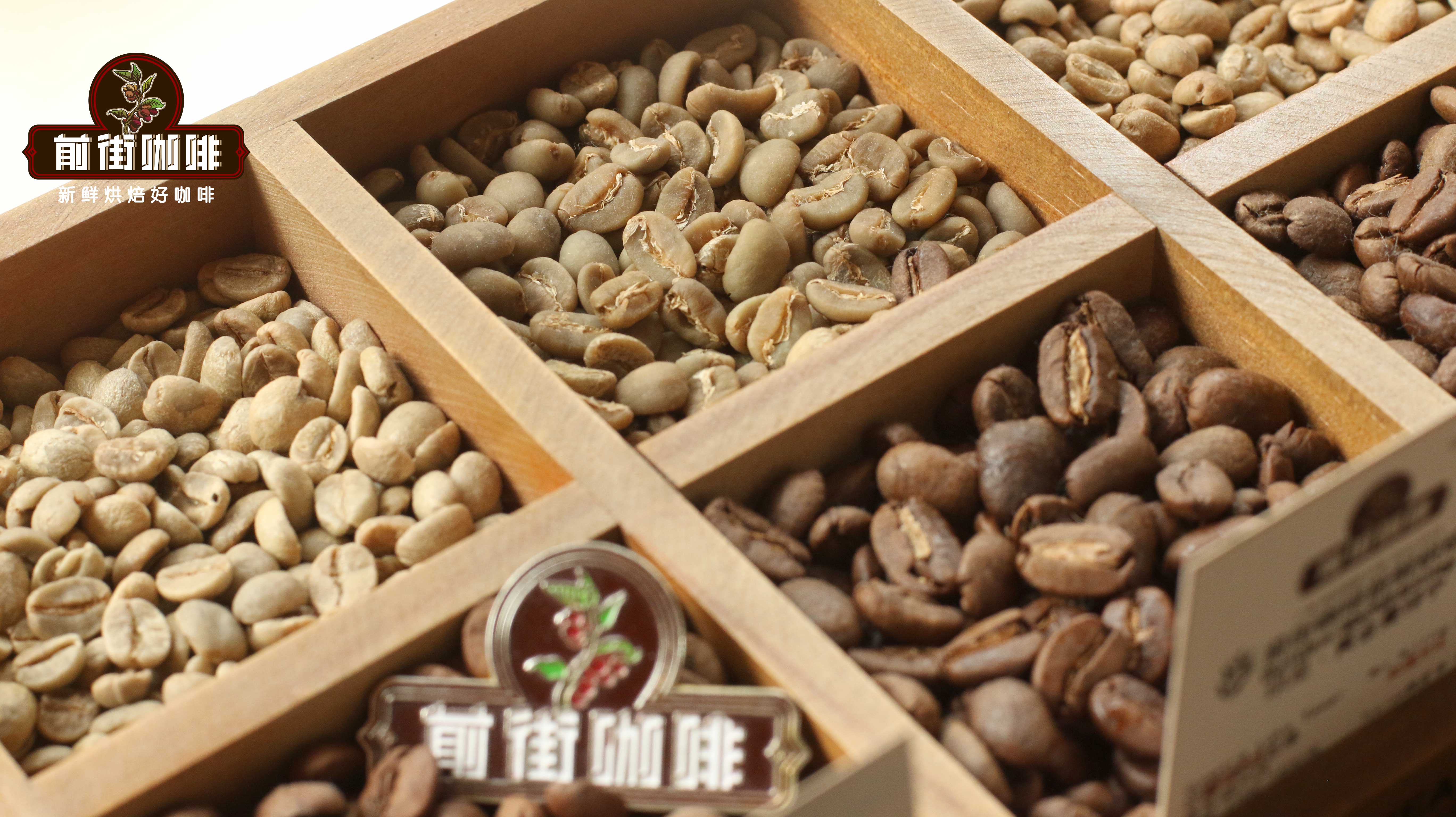
The resulting Golden Mandheling delivers a nutty profile upon the first sip. As it cools, it gradually reveals aromatic notes of cinnamon, herbs, and other spices, even carrying subtle hints of melon-like sweetness and a caramel-like aftertaste. With a full-bodied and rounded mouthfeel and distinct layers of flavor, it is a classic choice for experiencing the charm of Sumatran coffee.
The above content is compiled by CoffeeHunters, a coffee news website.


