







Introduction:Americano is a daily pick-me-up choice for many people, but do you know its historical origins, flavor variations, and how to choose the right coffee beans? This article delves into the brewing principles of Americano, the flavor characteristics of blends and single-origin beans, and offers practical brewing suggestions and bean recommendations to help you better appreciate the charm of this classic black coffee.
On the menus of most cafés, Americano is often one of the most ordered items. Not only is it quick to serve and relatively affordable, but it’s also a great companion for office workers in the morning or afternoon. But beyond being convenient and budget-friendly, Americano actually has a rich variety of flavor profiles, which largely depend on the coffee beans used and the brewing method. This article will take you through a comprehensive understanding of this classic beverage—from its historical background, brewing methods, and flavor features, to recommended coffee beans that suit it.
The birth of Americano is actually closely related to a shift in Americans’ tea-drinking habits. In the 18th century, heavy taxation on tea by the British government led to the famous Boston Tea Party, after which Americans began turning to coffee. By the 19th century, the United States had become a major global consumer of coffee, with up to a third of all coffee beans being shipped there. During World War II, American soldiers diluted espresso with water to adjust it to a more palatable strength, and this method was later brought back to the U.S., gradually evolving into what we now know as Americano.
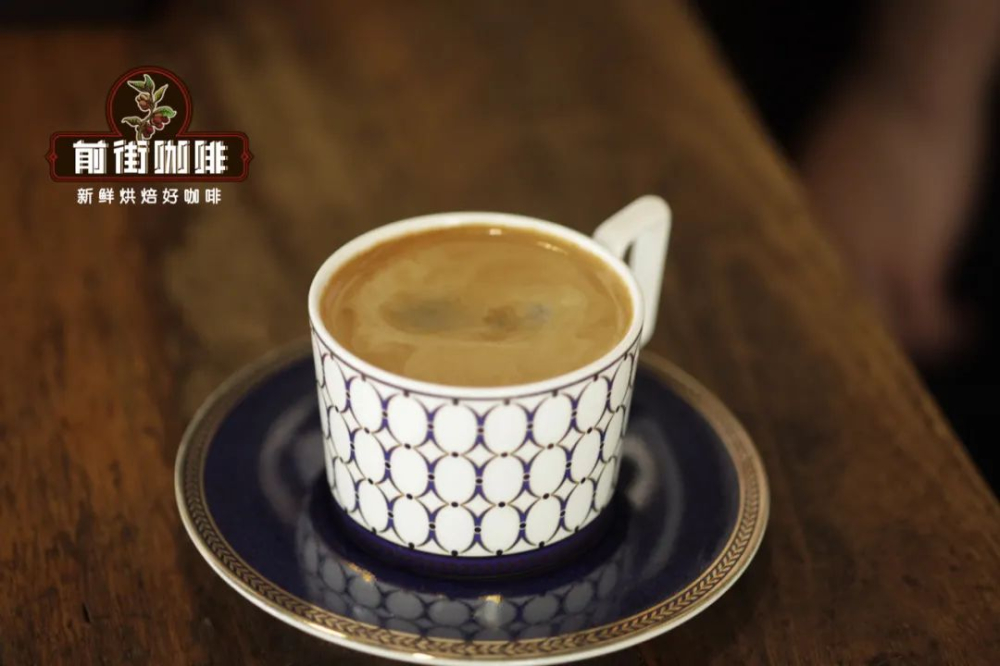
As the name suggests, Americano is black coffee made by diluting espresso with hot water. A common brewing ratio is one part espresso (about 30 ml) to six parts hot water (about 180 ml), forming a golden ratio of 1:6. This ratio allows the intense flavors of the espresso to open up while reducing overall bitterness, making it suitable for most palates. For iced Americano, some of the hot water can be replaced with cold water or ice cubes, and it’s recommended to drink it before the ice fully melts to maintain optimal taste.
The flavor profile of Americano largely depends on the types of coffee beans used and the roast level. Most cafés commonly use espresso blends, which typically combine beans from different regions to balance the various flavors of acidity, sweetness, bitterness, and saltiness, while delivering a rich layering effect. For example, a common blend might merge the berry-like acidity of Ethiopian beans with the nutty and chocolatey notes of beans from Central and South America, resulting in an Americano that offers both fresh fruitiness and a bold finish.

Blended beans are mostly medium-dark roasted. This roast level brings out the caramelized flavors of the coffee while maintaining moderate acidity and body, resulting in a smoother overall taste. In contrast, using single-origin beans (known as SOE, Single Origin Espresso) can better highlight the unique terroir characteristics of that origin. For instance, certain single-origin beans from Brazil or Ethiopia, when medium-dark roasted and used to make Americano, often showcase distinct caramel, nutty, and subtle fruity notes, offering a cleaner and more distinctive flavor.
For those who want to brew Americano at home, choosing the right coffee beans is crucial. First, it’s recommended to select freshly roasted beans—generally, beans roasted within five days to two weeks have the most vibrant flavors and are ideal for extraction. Additionally, based on personal taste preferences, one can opt for different flavored blends or single-origin beans. For example, those who enjoy rich chocolate and nutty flavors might choose blends based on Brazilian and Colombian beans; if you prefer fruity notes and lighter acidity, you might consider single-origin beans from African regions.
In terms of blended beans, common choices on the market include combinations based on Brazilian and Colombian beans, which typically feature noticeable nutty, caramel, and dark chocolate flavors, suiting those who enjoy bold tastes. On the other hand, using medium or darker roasted single-origin beans to make SOE Americano allows for clearer perception of the origin characteristics of that bean variety—for example, beans with berry acidity, floral notes, or caramel sweetness can each bring different flavor layers to the Americano.
Whether it’s hot or iced, water temperature control during brewing is also a key factor affecting flavor. It is generally recommended to use water at about 88°C to 92°C, which helps extract aromatic compounds from the coffee adequately while avoiding over-extraction that leads to bitterness. If making iced Americano with ice cubes, attention should be paid to how quickly the ice melts and affects overall concentration and flavor—it’s best to drink it before the ice has completely melted to get the best tasting experience.
In summary, although Americano may seem simple, it actually encompasses a wealth of variation and possibilities. From historical background and brewing methods, to bean selection and extraction parameters, every step influences the final flavor outcome. By understanding these details, you can not only more accurately select coffee beans that match your taste preferences, but also easily brew a café-quality Americano at home and enjoy your own coffee moment.
The above content is compiled by CoffeeHunters, a coffee news website.


