







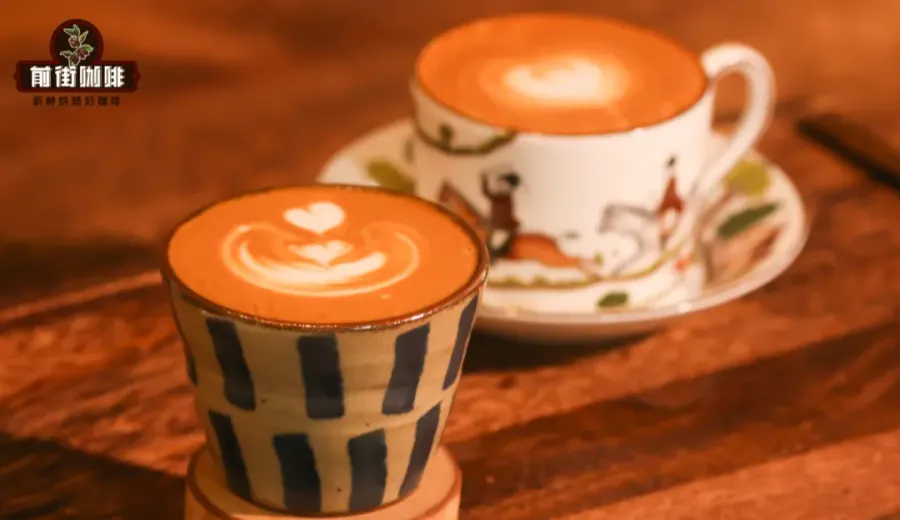
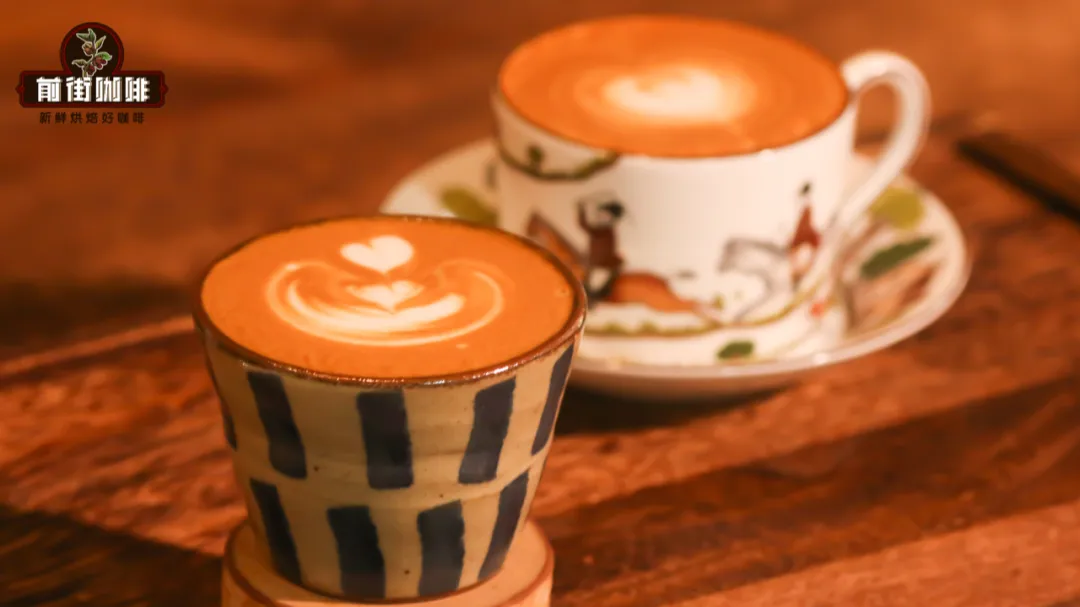
Introduction:Both the Piccolo Latte and the Flat White originate from Australia, yet they differ greatly in market acceptance and preparation techniques. Though referred to as a "mini latte," the Piccolo is extremely rare in domestic cafés due to its small serving size and high waste rate. This article delves into the origins of the Piccolo, how it differs from the Flat White, the practical challenges of making it, how to choose the right coffee beans to enhance its flavor, and its connection to combo-style coffee offerings.
The Piccolo Latte and the Flat White both stem from Australia, but their fates have been vastly different. The Flat White has now become a staple in specialty coffee shops around the world, while the Piccolo is rarely seen except in select cafés — many baristas have never even made one themselves. "Piccolo" means "mini" in Italian, hence the drink is also called a mini latte. It was originally created to reduce coffee bean and milk waste during morning prep, rather than as a flagship offering.
Compared to a standard latte, the Piccolo contains only about 100 milliliters of liquid, using a single shot of espresso paired with a relatively small amount of steamed milk and a thin layer of microfoam. Its compact size makes it quick to enjoy, and it’s usually priced lower than typical milk-based coffee drinks. For consumers seeking a strong flavor without overconsumption, it should be an ideal choice. However, its small cup size and labor-intensive preparation make it difficult to promote in the domestic market.
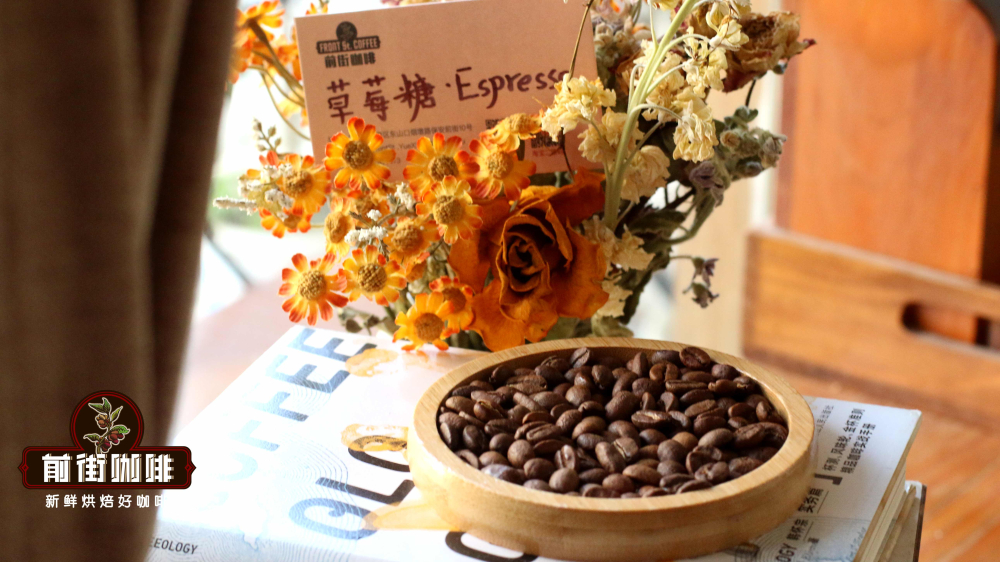
When it comes to the flavor profile of the Piccolo, it largely depends on the type of coffee beans used. If you prefer a bold and rich taste, you might opt for a blend with nutty notes, such as a classic blend that is rich in crema and layered in flavor. For those who enjoy a softer, sweeter profile, an SOE (single-origin espresso) with notes reminiscent of strawberry candy — featuring pronounced floral and berry undertones — is also a great choice. When combined with milk, this bean can yield a surprisingly delightful flavor akin to berry cookies.
The origin of the Piccolo is closely tied to the morning prep habits of Australian baristas. Before opening each day, baristas conduct extraction tests to assess the condition of the beans for the day — particularly the extraction yield and flavor profile of the espresso, as well as its balance when mixed with a large amount of milk. To avoid wasting beans used for testing, some baristas came up with the idea of using a split portafilter to divide a single shot of espresso into two: one part for direct tasting, and the other for making a small cup of latte. This not only allowed them to evaluate the essence of the coffee, but also to test how well it paired with milk. That small latte became the precursor to today’s Piccolo.
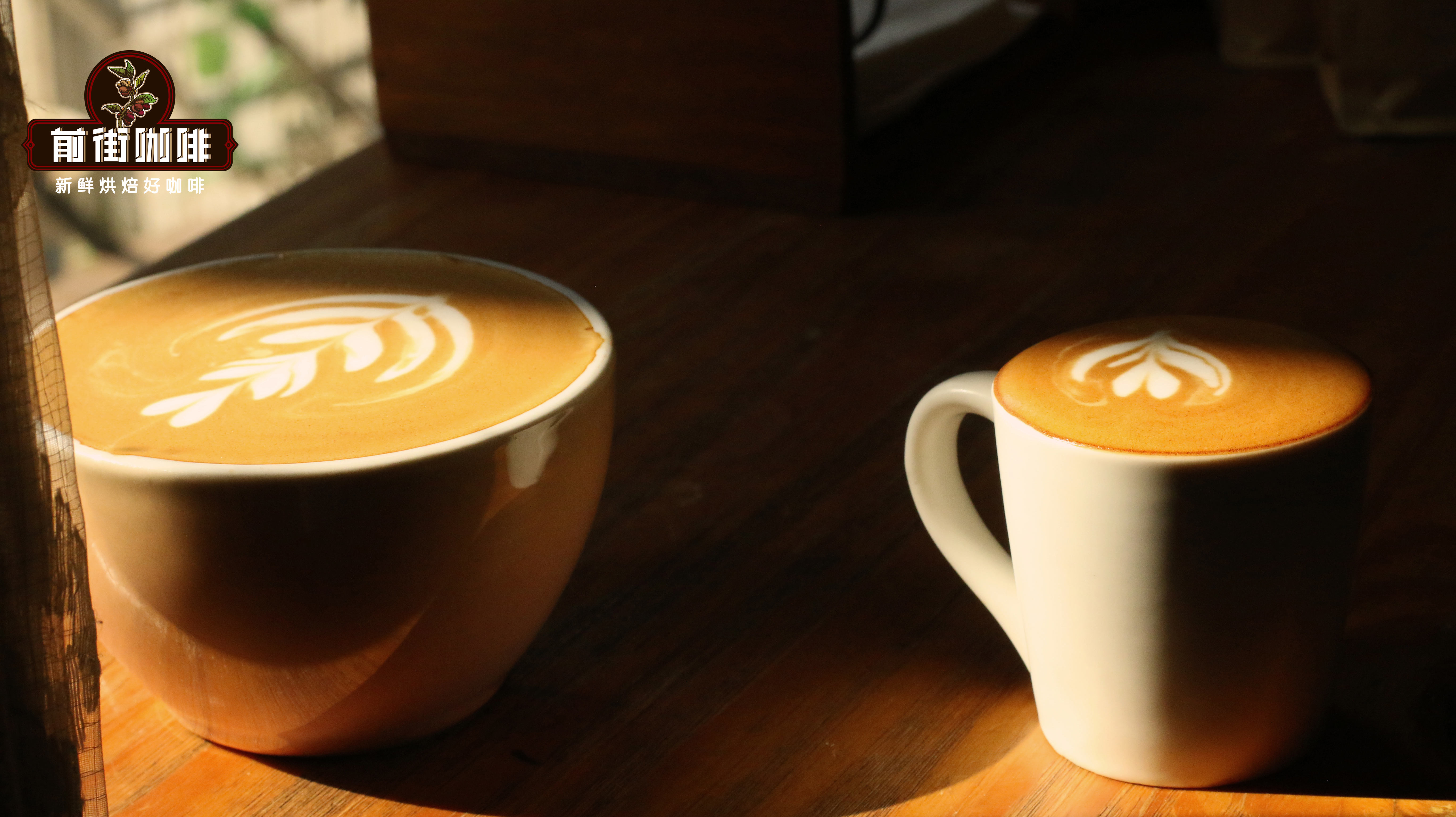
This small latte, using about half the amount of espresso and milk compared to a regular latte, with a total volume of around 100 milliliters, came to be known in Australia as the Piccolo Latte, or "mini latte." Initially, it wasn’t intended for sale but served as an internal test drink or a treat for regular customers. However, due to its concentrated flavor and suitability for quick consumption, it gradually gained popularity among customers and eventually became a regular menu item in some cafés.
It’s worth noting that the Piccolo actually enjoys decent acceptance overseas, especially in places like Australia and New Zealand. Since local consumers are accustomed to grabbing quick takeaway coffee, the small serving size not only saves drinking time but is also relatively affordable — making it a cost-effective choice for those on a budget or simply looking to enjoy a strong milky flavor. Additionally, its intensity is more easily experienced in a short period, aligning with the efficiency-focused coffee consumption habits of modern consumers.
So why is the Piccolo so rarely seen domestically? One key reason lies in production costs and waste issues. A traditional Piccolo uses about 20 milliliters of a single shot of espresso, paired with roughly four times that amount in steamed milk, for a total capacity of just around 100 milliliters. However, most cafés today use double baskets to extract espresso. If they insist on making a traditional Piccolo, half of the extracted espresso would inevitably go unused. Discarding it not only leads to material waste but also affects the cost structure; absorbing the loss themselves adds further financial pressure on the business.
Moreover, the small amount of milk used in a Piccolo often requires additional milk to be steamed in order to achieve the desired texture, resulting in leftover milk that can’t be used. These inefficiencies often end up reflected in the final price, making the Piccolo not much cheaper than a latte, despite having only half the volume. This makes it a poor value proposition for consumers and a cost burden for cafés. As a result, unless it's part of a special themed event or premium menu, the Piccolo struggles to become a regular offering.
To address these challenges, some cafés have started using a ristretto shot instead of a single shot of espresso to create a similar flavor profile to the Piccolo. A ristretto is a shorter extraction, resulting in a stronger and noticeably sweeter shot that pairs well with a small amount of milk to deliver a bold yet balanced taste. However, this approach requires adjustments to grind size and extraction time, and may even necessitate a second grinder to accommodate different extraction needs — posing a relatively high operational barrier for most small to medium-sized cafés, which is why it’s not widely adopted.
Furthermore, if a full single shot of espresso were to be used to make a Piccolo domestically, although the coffee strength could be maintained, the intense flavor in a small cup with limited milk would be overwhelming for most consumers. Increasing the proportion of milk would ultimately make the drink indistinguishable from a latte or a Flat White. These technical constraints, coupled with market realities, make it very difficult for the Piccolo to become a mainstream coffee option domestically.
Although the Piccolo seldom appears as a standalone item on regular café menus, it often makes an appearance in “combo” formats. For example, the popular “Coffee 101” combo recently uses a split portafilter to simultaneously produce multiple coffee variations with different ratios of espresso to milk. Among these, the mini latte version is essentially a Piccolo. This approach allows consumers to experience a variety of flavors in one go and has indirectly introduced many people to the Piccolo, even if they don’t know its official name.
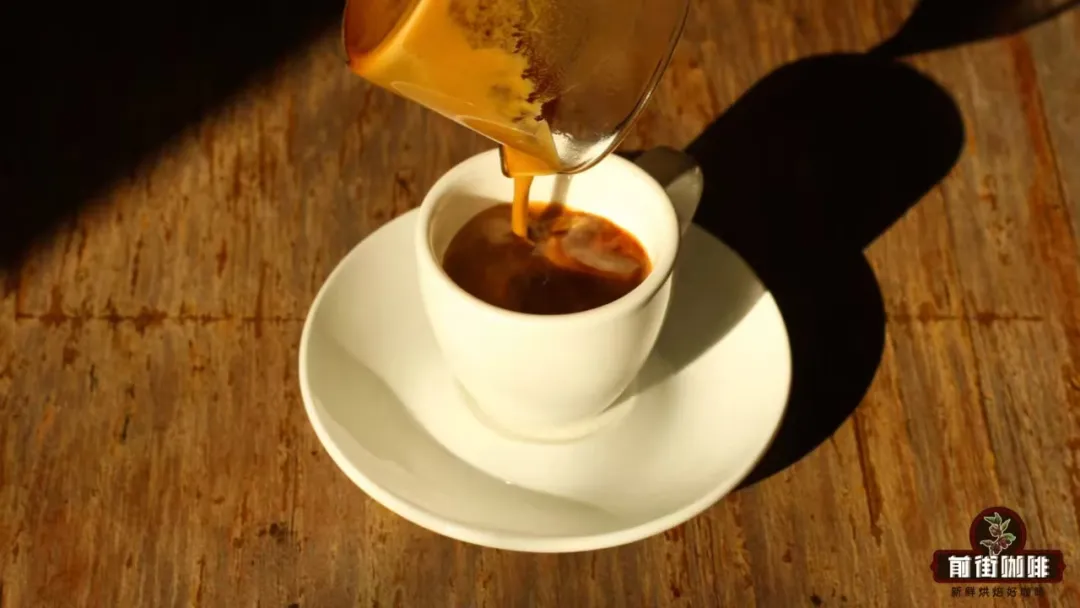
In summary, the Piccolo Latte is a small milk coffee that emphasizes refinement and balance. Its charm lies in being bold yet smooth, appropriately sized, and quick to enjoy. However, due to its preparation process, waste costs, and market acceptance, it remains uncommon in domestic cafés. If you’re interested in this type of mini milk coffee, consider asking your barista if they can craft a custom Piccolo for you using a split shot of espresso — it might just offer you a unique coffee experience.
The above content is compiled by CoffeeHunters, a coffee news website.


