







Introduction:Drip bags are popular for their convenience, but their flavor performance is actually closely tied to many details. This article delves into whether drip bags are equivalent to ground coffee and whether the drip bag can be fully submerged during brewing, while also providing professional pour over tips and practical advice to help you master the optimal extraction parameters and enjoy an excellent coffee experience anytime.
Thanks to their convenience, drip bags have become a go-to companion for many coffee lovers on the go or in the office. However, even though they come in small packages, their flavor performance can vary greatly. From the selection of coffee beans, roast freshness, grinder cleanliness, to the precision of the filling process, each step directly impacts the final extraction result. This article will explore two common questions in depth: Are drip bags just pre-ground coffee? And can the entire drip bag be soaked in water during brewing? We’ll also share practical pour over techniques to help you fully unlock the potential of your coffee.
 When many people crave coffee, they often struggle to find a cup that meets their expectations. In such moments, carrying a few drip bags becomes a smart choice for quickly enjoying a good cup. However, despite their compact size, the flavor layers and quality of drip bags can differ significantly. Factors such as the grade of the coffee beans, post-roast storage conditions, grinder hygiene, and the consistency and evenness of the filling all have a notable impact on the final flavor. With so many drip bag products on the market, how do we choose truly high-quality options?
Among the many brands, suppliers that offer a diverse range of roast styles and premium coffee bean resources are often better choices when buying drip bags. For example, for consumers who prefer floral and fruity acidity profiles, products with black tea and berry flavor notes can be prioritized; those who enjoy bright and vibrant acidity may opt for varieties with distinct cherry tomato and dark plum aromas; if you prefer a balanced taste—neither overly acidic nor too intense—that’s also a common market favorite; and for those who enjoy a rich and full-bodied mouthfeel, deeply or medium-deep roasted products that have undergone multiple screenings with very low defect rates usually deliver more complex aftertastes and aroma. These products are typically available from professional roasters and emphasize freshly roasted and shipped beans to ensure freshness.
No matter which style of drip bag you choose, fresh roasting and proper storage are key to maintaining the coffee’s aroma and flavor complexity. Fast delivery and good packaging ensure that you can easily enjoy a high-quality pour over experience at home, in the office, or on the go.
 To bring out the best flavor in drip bags, in addition to choosing the right product, brewing technique is an indispensable part. In fact, selecting the right drip bag lays the foundation for 60% of the overall flavor, while the remaining 40% depends on whether you can master the correct pour over details. Many people are accustomed to placing the drip bag directly on a cup and letting water flow naturally from a water dispenser. While this can still make coffee, it often fails to fully activate the potential of the coffee grounds, resulting in a flat flavor. If you want every cup of drip coffee to have more layers, here are some practical tips worth considering.
First, before brewing, it’s recommended to open the drip bag and gently smell the aroma of the dry coffee grounds. This step not only builds anticipation before brewing but also helps you preliminarily assess the quality of the coffee. If you detect a noticeable rancid smell or other off odors, it may indicate that the coffee beans are no longer fresh or have been improperly stored, and it’s advisable to drink with caution.
Next, you can gently tap the drip bag to allow the coffee grounds inside to distribute more evenly and loosely. This ensures that when you pour water later, the flow can pass through the coffee layer more smoothly, improving extraction efficiency and flavor balance.
Warming the cup is also a commonly overlooked but extremely important step. Preheating the cup you’ll use for brewing may seem trivial, but it effectively reduces temperature loss after pouring in the coffee, helping to lock in the aroma—a principle similar to chilling a beer glass before drinking.
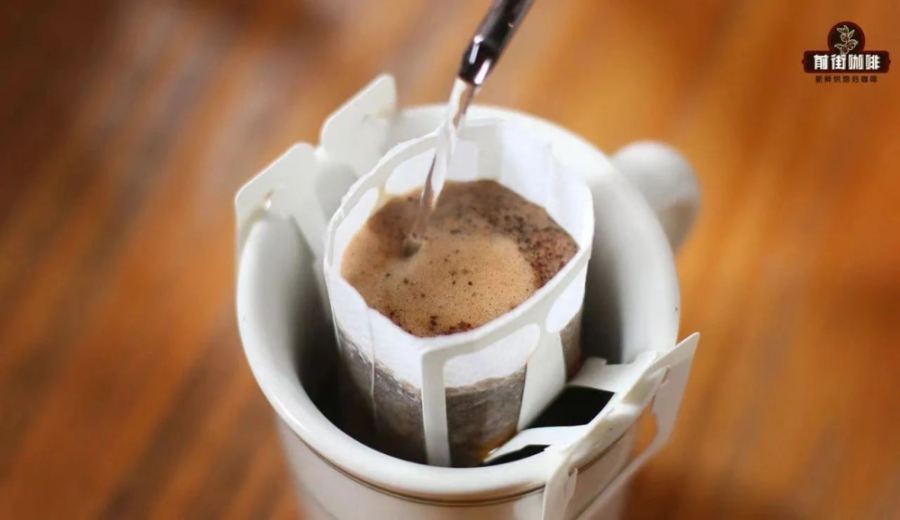
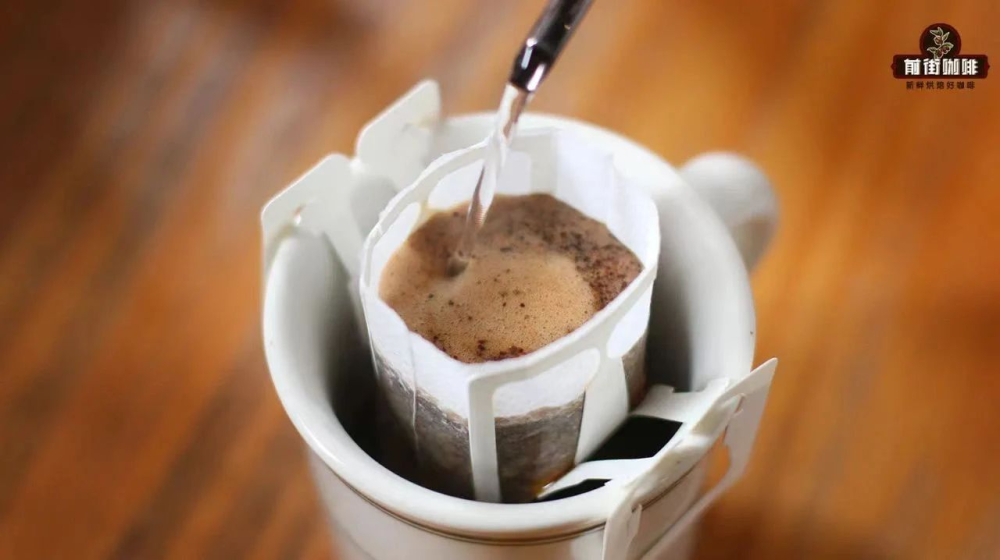
When starting the actual pour, it’s recommended to use water heated to about 90 to 93 degrees Celsius , with a total water volume ranging between 140 and 300 milliliters depending on personal taste. Begin with about 10 seconds of blooming, which means initially pouring a small amount of hot water just enough to wet all the coffee grounds, then letting it sit for 10 seconds before starting the main pour. For the main pour, it’s recommended to use a circular pouring method, moving from the outside in and then from the inside out, keeping the whole process within 90 to 120 seconds, which helps you more steadily control the extraction time and flow rate.
The last common question is: Can you soak the entire drip bag directly in water during brewing? The answer is no, it’s not recommended. The design of the drip bag is intended to hang over the cup, allowing hot water to extract evenly through drip filtration. Submerging the whole bag in water not only makes it difficult to control extraction time and concentration but may also lead to over-extraction or the release of impurities, negatively affecting the overall flavor.
As long as you master the above points, even without professional pour over equipment, you can use drip bags to enjoy a cup of coffee that’s rich in aroma and layered with flavor anytime, anywhere. For busy modern individuals, drip bags are not only a convenient choice but also a small moment of joy in savoring life.
The above content is compiled by CoffeeHunters, a coffee news website.


