







Introduction:To fully appreciate the best qualities of a blended coffee bean, every step—from the degassing period after roasting, to flavor development, to storage methods—affects the final taste. This article provides a detailed breakdown of how blends of different roast levels evolve in flavor during the resting period, the optimal drinking windows, and how proper storage and brewing techniques can bring out rich layers and a full-bodied taste in every cup. It’s a practical guide for pour over and brewing enthusiasts.
After roasting, coffee beans accumulate a large amount of carbon dioxide internally, especially right after coming out of the roaster, when gas release is particularly active. Brewing immediately can disrupt the water flow and contact with coffee grounds due to intense bubbling, which affects extraction quality. Therefore, understanding the roast date and degassing phase is key to unlocking the complex flavors of a blend. Different roast levels also vary in their degassing speed and flavor release rhythm.
Generally speaking, dark roasted beans have more porous woody fibers, allowing internal gases to escape more quickly. Typically, just five to seven days of resting is enough for them to showcase rich caramel and cocoa aromas. In contrast, medium roasted blends have a tighter structure, and their degassing process is more gradual. It’s recommended to let these beans rest for seven to ten days, allowing the flavors to gradually unfold and reach a balanced state.
When a blend enters its optimal drinking window—typically two to four weeks post-roast—the aroma molecules and internal oils are in their most harmonious state. During this period, the sweetness and body of the coffee often peak, whether you’re brewing pure black coffee or pairing it with milk for a milk-based drink, delivering clear layers and a smooth mouthfeel.
For example, a blend based on Brazilian Cerrado and Colombian Huila beans, roasted to a medium level, shows particularly outstanding flavor performance when rested for about ten days before opening. At this stage, you can enjoy a balanced profile of roasted nuts, brown sugar, and soft cocoa. The internal gases have stabilized, so whether brewed as a pour over black coffee or a latte, it offers a soft sweetness and clear flavor layers.
When brewing this blend, it’s recommended to use water at 90°C, 15 grams of coffee grounds, with a 1:15 coffee-to-water ratio—totaling 225 milliliters—and a total extraction time controlled at 2 minutes and 05 seconds. Use a three-stage pouring method: start with 30 grams of water for a 30-second bloom, then steadily pour up to 130 milliliters with a brief pause, and finally pour evenly up to 225 milliliters. This helps fully extract the nutty and caramel sweet notes.
If you prefer blends with a darker roast profile, such as a recipe featuring intense nutty and dark chocolate aromas, typically roasted to a medium-dark level, it usually reaches its optimal drinking window around six days post-roast. These beans are rich in oils, with bold and mellow aromas. After degassing, the sweet-and-bitter interplay of the caramel aftertaste becomes even more rounded, making them especially suitable for brewing with a moka pot or home semi-automatic espresso machines, highlighting a full and intense mouthfeel.
If choosing the pour over method, it’s recommended to use water at 88°C, 16 grams of coffee grounds, with a total brew water volume of 200 milliliters and an overall extraction time of about 1 minute and 50 seconds. A two-stage pouring technique is advised: start with 40 grams of water for a 25-second bloom, then pour in a circular motion from the center outward, delivering the full 200 milliliters in one go and stopping the flow, which helps enhance the cocoa richness and the dense body in the finish.
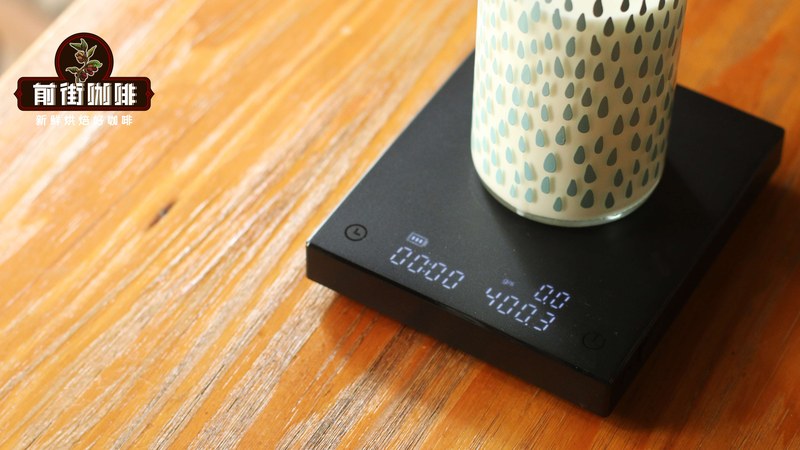
Once opened, coffee beans are exposed to oxygen, moisture, and light, all of which accelerate flavor loss. It’s recommended to keep the one-way degassing valve on the bag intact. After each use, try to squeeze out excess air inside the bag and seal it tightly to effectively slow oxidation. Additionally, store the beans in a cool, dry, and dark place, away from heat sources or direct sunlight, to further extend their flavor shelf life.
If you’ve purchased a large package, consider repackaging into smaller, light-blocking, airtight containers or individual sealed bags after opening, taking out only the amount needed for grinding each time. This avoids repeated exposure of the entire bag to air, helping maintain stable aroma and sweetness for three to four weeks after opening.
Finally, planning your daily coffee consumption and selecting an appropriately sized package are also key strategies for enjoying a blend at its best. Based on your own drinking habits, choose a suitable package size to ensure each batch of beans can be consumed within the golden period of flavor development. Align your storage and brewing methods with the natural progression from degassing to flavor bloom, so you can easily enjoy a cup of layered, aromatic, and captivating blended coffee every day.
The above content is compiled by CoffeeHunters, a coffee news website.

