








Introduction:Understanding the gas release patterns of freshly roasted coffee beans during the degassing period and mastering the optimal extraction timing and storage methods can help your espresso achieve its best flavor profile. This article provides a comprehensive guide to the full drinking rhythm from the degassing phase to post-opening storage, offering practical extraction parameters and home storage tips to help you enjoy a professional-level coffee experience at home with ease.
Freshly roasted coffee beans contain a large amount of carbon dioxide, which is gradually released over time. For home espresso preparation, the gas state within the beans directly affects how smoothly water passes through the coffee grounds. Newly roasted beans have higher internal pressure, and pressurized extraction can easily produce rough and unstable bubble foam. Therefore, it’s necessary to let the beans rest properly to allow the gases to dissipate naturally.
The flavor development of coffee beans goes through a golden stage, during which the flavor expression is the most rich and balanced. Typically, medium to dark roasted blends are in an intense degassing phase during the first few days after roasting. Then, flavor compounds and oils gradually integrate, entering a stable stage with the best mouthfeel. Understanding this flavor evolution process is key to opening the package at the optimal time.
For home-use espresso blends, it’s recommended to start tasting on the 7th to 10th day after roasting. After this resting period, the internal pressure of the beans stabilizes, allowing a uniform and compact crema layer to form during high-pressure extraction. The acidity and caramel sweetness become more gentle and smooth, and the mouthfeel becomes finer and fuller.
Taking classic espresso blends as an example, fully rested beans are especially suitable for making daily espressos. These blends usually feature roasted nuts, cocoa powder, and caramel sweetness as their base notes. When the gas release stabilizes, they exhibit a solid and mellow richness. Not only do they taste rounded when sipped straight, but they also maintain clear layers of chocolate flavor when paired with hot milk.
When using a home semi-automatic espresso machine for extraction, it’s recommended to set the water temperature to 92°C, use 18g of coffee grounds, and employ a two-stage extraction: first, perform about 5 seconds of low-pressure pre-infusion, then steadily increase the pressure to yield 36g of espresso, with the total time controlled around 28 seconds. This will produce an espresso with dense crema and a long-lasting nutty aftertaste.
Once opened, coffee beans will accelerate contact with oxygen and moisture, so the sealability of the storage container is crucial. You can squeeze out the air from the original packaging bag and reseal it, or place the beans in a light-proof, one-way valve-sealed container, storing them in a cool and dry place. This can effectively slow down aroma volatilization, keeping the flavor stable for about a month after opening.
If you prefer a milder acidity and delicate aroma for a home-friendly flavor, the Brazilian Queen Estate beans are a great choice. These beans offer gentle notes of almond, creamy cocoa, and brown sugar sweetness. After full degassing, whether you make Americano or milk coffee, they deliver a clean and balanced taste. The aroma remains highly recognizable within two weeks of opening.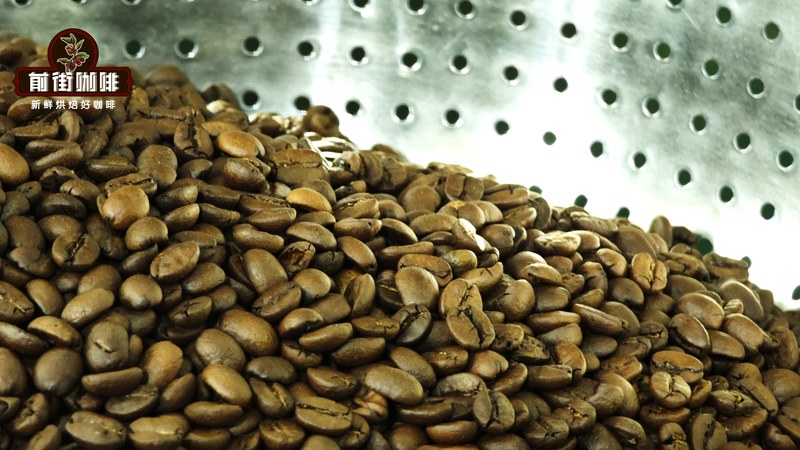
When experiencing the sweet texture of Brazilian Queen Estate beans via pour over, it’s recommended to use water at 89°C, with a 15g coffee-to-water ratio of 1:15 (225ml). Use a three-stage pouring method: first, bloom with 30ml of water for 30 seconds, then pour in a circular motion up to 130ml, and finally add the remaining water, with a total brewing time of about 2 minutes and 5 seconds.
Planning your consumption rate reasonably is important. Based on 1–2 cups per day, a 250g package can be consumed within 2–3 weeks, allowing you to experience the full flavor development period while replacing the beans before the aroma fades.
For enthusiasts who enjoy deep herbal aromas and a heavy mouthfeel, Indonesian Golden Mandheling will present a steady cup performance after proper resting. This low-acidity bean features distinct notes of dark chocolate, pine, and herbs. After resting, it yields rich crema, making it suitable for making iced Americano or intense milk coffee.
When using a moka pot for extraction, pour 86°C hot water into the lower chamber, and fill the coffee chamber with 20g of ground coffee, leveling it off. Use a two-stage heating method: heat gently until the coffee begins to flow steadily, then remove from heat when about 60ml has extracted and the color lightens. The total time is about 1 minute and 45 seconds. The resulting brew will showcase balanced caramel sweetness and chocolate flavors.
By mastering the degassing waiting period, sealing and storing the beans properly after opening, and controlling your purchase quantity, you can consistently enjoy the best flavors from your home coffee corner. Following the natural evolution of the coffee beans ensures that each extraction presents harmonious and enchanting flavors.
The above content is compiled by CoffeeHunters, a coffee news website.

