








Introduction:Many coffee enthusiasts mistakenly believe that freshly roasted coffee beans are best for brewing, but in fact, newly roasted beans contain a high amount of carbon dioxide. Using a moka pot to extract them immediately can lead to unstable flow rates and overly sharp or harsh flavors. This article delves into the optimal resting period for medium-to-dark roast beans specifically suited for moka pot brewing. From gas release and aroma evolution to actual brewing performance, it teaches you how to identify the best time to open the bag, along with practical storage and grinding tips—so every cup is rich with layered, intense flavors.
After roasting, coffee beans actually need a “resting period” to reveal their optimal flavors. Though freshly roasted beans emit intense roasting aromas, they still contain a large amount of trapped carbon dioxide. Brewing them right away with a moka pot can cause the coffee bed to become unstable due to vigorous degassing, leading to uneven extraction and a brew that may taste noticeably burnt or harsh. Allowing the beans to rest for several days lets the carbon dioxide dissipate gradually, allowing enticing aromas such as cocoa, nuts, and caramel to unfold fully, resulting in a smoother and more rounded mouthfeel.
Many consumers focus solely on the “expiration date” printed on the packaging when buying coffee beans, but overlook the more important “best-by” or “peak flavor” period. The expiration date refers to the length of time the beans remain unspoiled under ideal storage conditions; the peak flavor period, however, is when the aroma, sweetness, and mouthfeel are at their height or optimal state. This golden window doesn’t end abruptly but changes gradually over time—initially, the aromas might be more restrained, then gradually bloom, before slowly fading. Therefore, when selecting coffee beans, it’s recommended to prioritize the “roast date” rather than relying solely on the package’s printed expiration date.
For medium-to-medium-dark roast beans commonly used with moka pots, it is generally recommended to consider thefive to fourteen daysafter roasting as the key window for observing the resting period. Typically, darker roasts with looser bean structures release gases more quickly and may reach drinkable condition sooner; by contrast, medium roasts require more time for internal gases to stabilize. However, actual resting duration can also be influenced by packaging seal tightness, room temperature, and roasting methods, so this timeframe serves only as a general guideline. Adjust based on your actual experience.
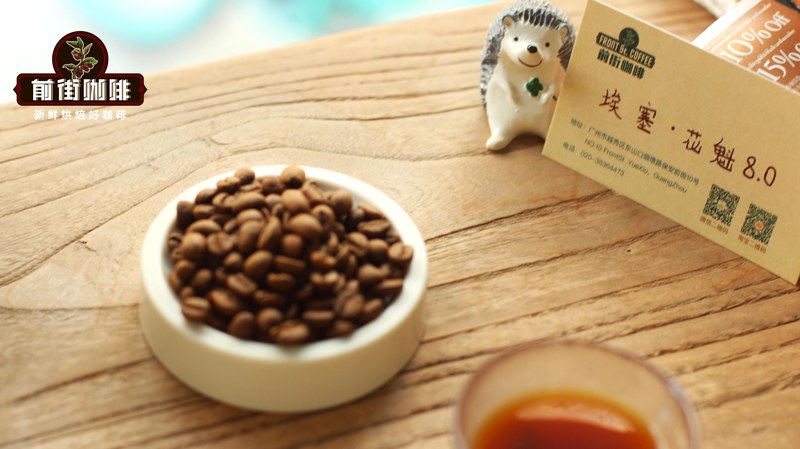
The most reliable way to determine whether coffee beans have reached a stage suitable for brewing is to actually brew with them every two or three days, while recording changes in aroma, flow rate, and the aftertaste with each sip. If you notice fine bubbles during extraction and an overly roasted, sharp sensation upon tasting, it usually means the beans haven’t stabilized yet—leave them for a few more days. On the other hand, when the brew flows evenly and smoothly, with distinct and cohesive sweetness, and even retains clear aromas when cooled, the beans have likely entered their peak flavor phase and are ready to enjoy. This observational method through hands-on brewing is far more accurate than simply relying on the scent when first opening the bag.
To establish your own reference for resting times, consider starting with a classic medium-to-dark roast blend, such as a well-known one. This blend tends to deliver inviting aromas of roasted nuts, cocoa powder, and caramel syrup when brewed with a moka pot, and offers a full-bodied mouthfeel. Even when mixed with warm milk, its distinct coffee character remains clear. It’s recommended to enjoy the first few brews straight as black coffee, paying close attention to how the sweetness gradually unfolds. Later on, try making milk coffee to better appreciate the harmonious interplay between the aroma and milk notes.
For readers who prefer milder and smoother flavors, a certain Brazilian Queen Estate bean is worth exploring. This bean features gentle acidity that doesn’t overpower the cup, exuding the rich aromas of ripe nuts and cocoa when hot, and revealing a sweet toffee-like finish as it cools. When using a moka pot, try adding a small amount of hot water directly to help preserve the bean’s inherent smooth texture, while also allowing you to observe how the compact, full-bodied profile gradually opens up in aroma.
For coffee lovers who enjoy deep, intense flavors, a certain Black Cocoa Blend is a great option to try. Dominated by profiles of dark chocolate, roasted nuts, and heavy sweetness, this blend has almost no acidity and presents a strong presence whether paired with milk or oat milk. Since the aromas of such dark roasts are released more quickly, it’s recommended to consume them within a focused timeframe after opening the bag to avoid significant flavor dulling due to prolonged air exposure.
When purchasing coffee beans, it’s wise to decide on quantity based on your daily consumption frequency. Assuming a moka pot uses aboutfifteen to eighteen gramsof coffee beans per brew, atwo-hundred-grambag can yield approximatelyeleven to thirteen brews. If you brew once a day, you’re more likely to finish the bag while the flavors are still at their liveliest. Conversely, if you only brew two or three times a week, opt for smaller packages to ensure the beans remain fresh for each use. Instead of hoarding multiple bags and opening them all at once, it’s better to keep just one bag in active use at a time to help maintain optimal flavor.
For opened coffee beans, continuing to use the original packaging with a one-way degassing valve is very convenient. After each use, gently expel excess air from the bag, press the opening tightly closed, and store it in a cool, dry, and odor-free cabinet. Be especially mindful that transparent glass jars, if exposed to light for long periods, can accelerate aroma degradation. Similarly, areas near stoves, where temperature fluctuates significantly, are unsuitable for storing coffee beans. Additionally, there’s no need to frequently transfer beans between containers—minimizing air exposure is the key to maintaining freshness.
If you don’t expect to finish a full bag of coffee beans within three to four weeks, consider dividing the whole beans into single-use portions and sealing them before freezing. Small portion packaging helps reduce issues caused by repeated exposure to moisture due to frequent opening. Once taken out, they can be ground and used directly. If you choose to defrost a whole bag, keep it sealed and wait until it reaches room temperature before opening, to avoid condensation forming on the beans and affecting flavor. For everyday small-scale storage, there’s no need to put the beans in and out of the fridge frequently—a stable room temperature environment is actually more conducive to preserving the beans’ original flavors.
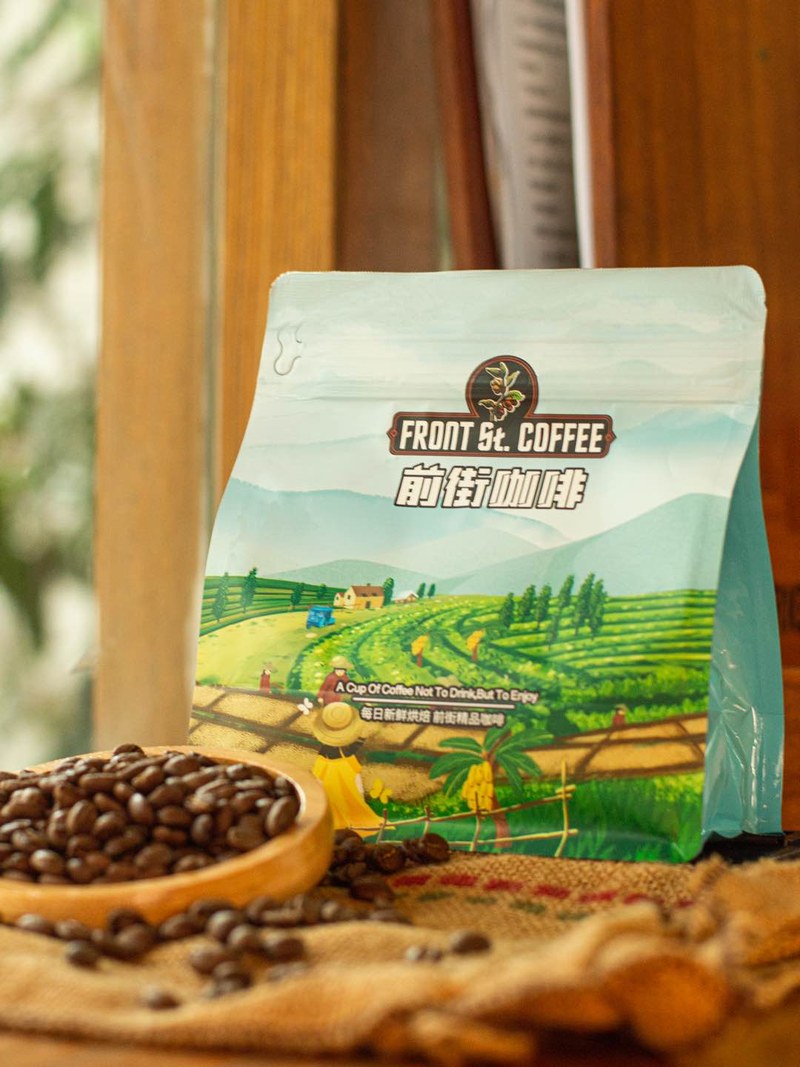
Finally, a reminder: the grinding step is also crucial for maintaining coffee freshness. Whole beans lose aroma more slowly, but once ground, the surface area increases dramatically, accelerating volatility. Therefore, it’s best to grind right before brewing. Planning the roast date, the opening date, and the expected finish date in a connected timeline not only ensures that your moka pot extracts rich, captivating coffee aromas, but also allows those aromas to come from just the right amount of patience, a regular brewing routine, and reliable storage practices.
The above content is compiled by CoffeeHunters, a coffee news website.

