







Introduction:When using a Moka pot for extraction, the flavor stages of the coffee beans have a far greater impact on the final cup than the flavor descriptions on the packaging. Understanding the transition from roast date to peak drinking window allows you to fully experience the potential of single-origin beans. This article delves into the optimal bean condition for Moka pot brewing, resting time, storage methods, and how to identify each bean’s golden brewing point through observation and record-keeping.
The Moka pot concentrates the oils, sweetness, and bold body of coffee beans into a small cup. Therefore, whether the beans are in their ideal flavor release stage often has a greater effect on the final outcome than the flavor labels on the package. Even the same single-origin beans can differ in aroma intensity, texture, and extraction flow rate depending on whether they’re freshly roasted, gradually stabilizing, or have been open for some time.
Best-before date and shelf life are two entirely different concepts. Shelf life refers to how long food remains safe to consume under proper storage conditions, while best-before refers to the period when a coffee’s aroma, sweetness, and complexity are at their most vibrant. When buying coffee beans, it's recommended to prioritize the roast date rather than just the expiration date. Keep in mind that freshly roasted beans may not immediately showcase their full flavor profile.
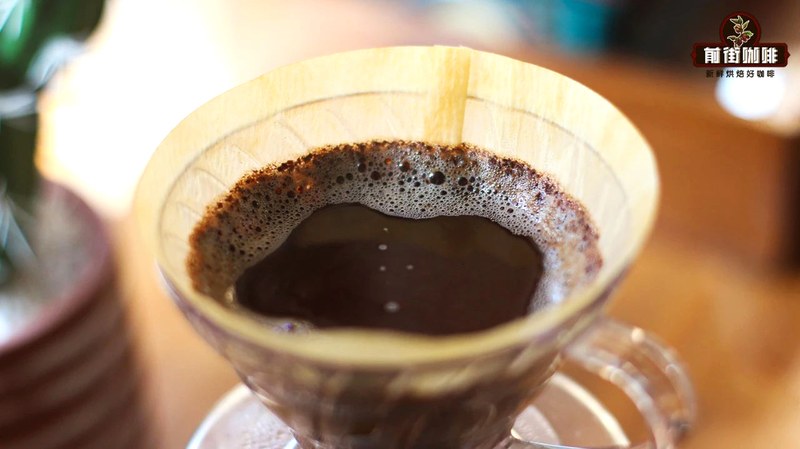
After roasting, coffee beans continue to release carbon dioxide—a process that stabilizes their flavors, known as “resting” or “degassing.” If the beans are still overly active, Moka pot extraction might result in unstable flow, intense aroma but tight or harsh mouthfeel. With proper resting, gas release gradually slows down, often revealing more cohesive notes of nuts, cocoa, or caramel.
For home Moka pot use, it is generally recommended to try the beans within roughly 5 to 12 days post-roast as an initial tasting window, then adjust further based on the roaster’s suggestions. Typically, medium-roasted beans can be tried slightly earlier, while darker roasts with looser bean structure tend to degas faster. If the aroma is still not fully developed after brewing, you can seal and rest the beans for another two or three days before trying again—there’s no need to stick rigidly to fixed days.
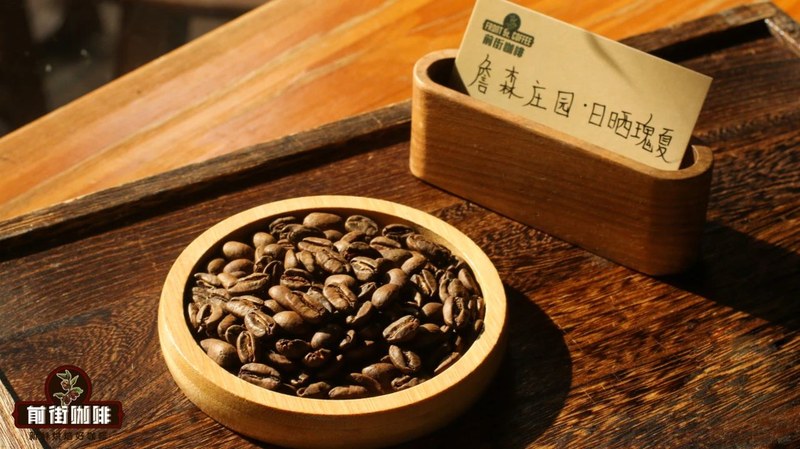
Take “Brazilian Queen Estate” as an example—this bean is excellent for observing the flavor transition from reserved to expressive. Once stabilized, using a Moka pot can clearly extract notes of roasted nuts, cocoa powder, and a sweet, syrupy richness with a soft acidity, resulting in a round and balanced mouthfeel. Drinking it as plain hot water highlights its noticeable sweetness, and adding a small amount of warm milk can further harmonize the nutty and cocoa profiles.
If you prefer low-acidity and full-bodied flavors, consider “PWN Indonesian Golden Mandheling.” In its optimal drinking state, the Moka pot clearly presents deep chocolate notes, spices, and herbal undertones, along with a long-lasting finish. Due to its relatively dark roast expression, it’s recommended to do several small test brews over the first few days upon receiving it, to find the phase where the bitter-sweet balance is clear, then establish your regular drinking routine.
The quantity of coffee beans you purchase also affects whether you can finish them during their peak flavor period. It’s advisable to calculate the actual amount of beans your Moka pot uses per brew, then multiply by your weekly usage to determine a suitable package size. For instance, if you use 15 grams per cup and brew about five times a week, a 200-gram pack will last nearly two weeks—a usage rhythm that typically helps maintain freshness better than stockpiling large quantities.
After opening the bag, you can continue using the original one-way valve bag for storage. After each use, gently squeeze out excess air, seal the bag tightly, and store it in a cool, dry place away from heat sources like stoves. Avoid frequent refrigeration, as repeated temperature changes can introduce moisture and odors. If you don’t plan to finish the beans within a few weeks, divide them into single or multiple serving sizes, seal them, and freeze. When taking them out, keep the packaging sealed, let them return to room temperature, then open and grind.
Storing whole beans preserves aroma better than pre-ground coffee—it’s best to grind right before brewing. As the time since opening increases, the gases and volatile aromas in the beans gradually diminish, and the previously ideal grind size may also need slight adjustment. To judge whether beans are still in their optimal state, don’t rely solely on dates—you can also evaluate by smelling the dry fragrance, observing whether the extraction flow rate is stable, and noticing if sweetness fades or the aftertaste shortens.
Establishing your own coffee drinking rhythm is also an effective approach. You can mark the roast date and opening date on the bean bag, and brew a cup every two or three days using the same Moka pot. When you find a day where the aroma is particularly rich, the sweetness consistent, and the mouthfeel comfortable, note the corresponding number of days. In the future, when selecting single-origin beans with similar roast profiles, you can more accurately plan your purchasing, resting, and brewing schedule—ensuring each pack of beans reaches your Moka pot at the peak of its flavor.
The above content is compiled by CoffeeHunters, a coffee news website.

