








Introduction:Although freshly roasted coffee beans boast an inviting aroma, it doesn’t mean they’re ready to brew their best flavors right away. Understanding the resting period and optimal drinking window is key to extracting a balanced sweetness and silky mouthfeel from your espresso machine. This article takes an in-depth look at how long different roast levels should rest, when to start testing extractions, and how to judge the ideal drinking time by observing flow rate and bubbling — helping you master the rhythm of coffee’s transformation from roast date to cup.
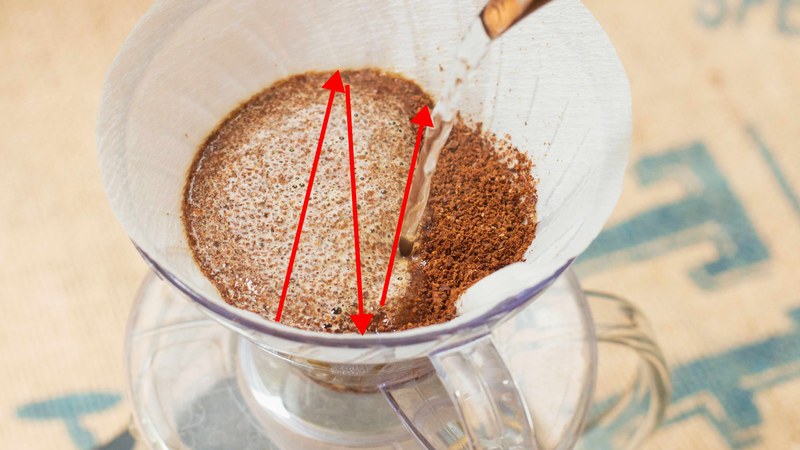
Before putting coffee beans into your espresso machine, there’s one piece of information more valuable than the aroma descriptions on the package: the roast date. Freshly roasted beans continuously release large amounts of carbon dioxide. Brewing them immediately can cause the coffee grounds to be disrupted by these gases, affecting not only the espresso’s flow rate but also potentially leading to unstable crema. Allowing the beans to degas naturally in a sealed environment helps you enjoy them at peak flavor development — experiencing more pronounced sweetness and a smoother texture.
The term “fresh” doesn’t necessarily mean the closer to the roast date, the better. The flavor of coffee beans undergoes complex changes over time, and the roast date is just the beginning of that journey. The prime drinking period is when aroma, sweetness, and extraction performance are most vibrant. This period isn’t defined by rigid cutoffs or a sudden point after which the coffee becomes undrinkable. The waiting period from roasting to optimal drinking is commonly referred to in the industry as “aging” or “resting.”
Especially when using an espresso machine for high-pressure extraction, the degassing state of the beans directly impacts flow rate and extraction evenness. Generally, medium to dark roasted beans can begin extraction attempts around 5 to 10 days after roasting, while medium to light roasted beans or those with a tighter structure are better left to rest for 10 to 21 days. Actual aging time should also be determined based on the roaster’s recommendations, room temperature during storage, and the packaging method. Warmer conditions accelerate degassing, while colder environments slow it down. Therefore, these dates serve only as references, not absolute countdown timers.
To determine whether coffee beans have reached an optimal extraction stage, the most direct reference often comes from feedback provided by the espresso machine itself. If you notice excessive bubbling, unstable flow rate, or a noticeable “airy” taste in the cup, it’s advisable to keep the beans sealed and let them rest for another two to three days before trying again. Conversely, when the grind size becomes more consistent, the espresso shot flows more uniformly, and aroma and sweetness gradually emerge, it usually means the beans have entered a stage suitable for daily drinking. Trying a cup every two days is a better way to adapt to actual environmental changes than simply relying on the dates printed on the package.

If you frequently use your espresso machine to make lattes or straight espresso, pay attention to the performance of some classic blends. For example, a blend characterized by roasted nut, cocoa, and caramel sweetness typically yields a coffee with a certain body, which retains distinct roasty notes even when paired with milk. Such beans are generally recommended for machine extraction starting about a week after roasting. Once you find a stage where the flow rate is stable and the balance between sweetness and bitterness is achieved, you’ve entered a stable drinking period. If you drink a cup daily, opting for smaller packaging helps ensure you finish it during its peak flavor window, avoiding flavor loss due to prolonged storage.
Another premium blend based on Brazilian Cerrado and Colombian Huila beans showcases soft nutty aromas, caramelized sweetness, and a mild cocoa aftertaste. It’s suitable for pulling espresso shots or brewing as Americano. The flavors of this bean unfold gradually over time: initially the aroma is more concentrated, then as degassing stabilizes, the sweetness becomes more pronounced. In the later stages of its drinking cycle, you may slightly adjust to a finer grind to maintain richness in the cup. Observing how this bean changes over time offers a more intuitive understanding of the relationship between resting and flavor release.
If you prefer low-acidity and full-bodied coffee, consider trying a dark roasted Indonesian Golden Mandheling. This bean often carries herbal and dark chocolate-like undertones, with a rich texture that remains bold even as an Americano. Since dark roasted beans typically degas faster and experience quicker flavor transitions, you can start testing extraction slightly earlier than with medium to light roasts — even if labeled dark. However, to fully appreciate its rich aroma and body, it’s best to maintain a higher consumption frequency to capture its peak flavor period.
When buying coffee beans, it’s advisable to choose the package size based on how often you use your espresso machine. Based on using 18 grams of coffee per cup, a 250g package can yield approximately 13 cups. If you’re a single person having one cup per day, a smaller package helps control the storage time after opening. For a family of two using coffee daily, consider a larger size. Unopened coffee beans are best kept in their original packaging with a one-way degassing valve to avoid prolonged exposure to air. Finishing one bag before opening another helps preserve freshness more effectively.
Once opened, if you don’t plan to use all the beans immediately, it’s recommended to continue storing them in their original packaging. First, expel any excess air from the bag, then press the seal tightly and store in a cool, dry, dark, and temperature-stable cabinet. Although storing beans in your machine’s bean hopper is convenient, the hopper is constantly exposed to air and light. It’s best to load only one to two days’ worth of beans, keeping the rest sealed. Even transparent airtight containers, while aesthetically pleasing on the counter, may allow light to accelerate aroma loss, negatively impacting long-term flavor retention.
As for the common practice of refrigerating coffee beans, it’s actually not suitable for daily use scenarios. Temperature fluctuations can cause condensation on the bean surface, and odors from other foods in the fridge may also affect the beans’ original flavors. If you purchase a large quantity at once and don’t expect to finish it within a few weeks, it’s recommended to divide the beans into portions for one or two to three days’ use, pack them into thick airtight bags, expel as much air as possible, and then store them in the freezer. When needed, you can grind the frozen beans directly depending on the situation. If you plan to let the whole pack return to room temperature, be sure to wait until it has fully warmed up before opening the bag to avoid moisture condensing on the beans, which can impact grinding quality and extraction.
In addition, the timing of grinding is also a crucial factor in overall flavor preservation. Grinding whole beans just before extraction usually retains more volatile aromatic compounds compared to pre-ground coffee. Whenever you switch to a new batch of beans, it’s a good idea to note down the roast date, opening date, ideal grind setting, as well as your preferred extraction flavors and textures. This will help you more accurately plan future purchase quantities and the best time to start enjoying them. By linking the degassing period, drinking frequency, and sealed storage into a complete timeline, you’ll be able to more easily enjoy a stable, aromatic coffee experience with every brew.
The above content is compiled by CoffeeHunters, a coffee news website.

