







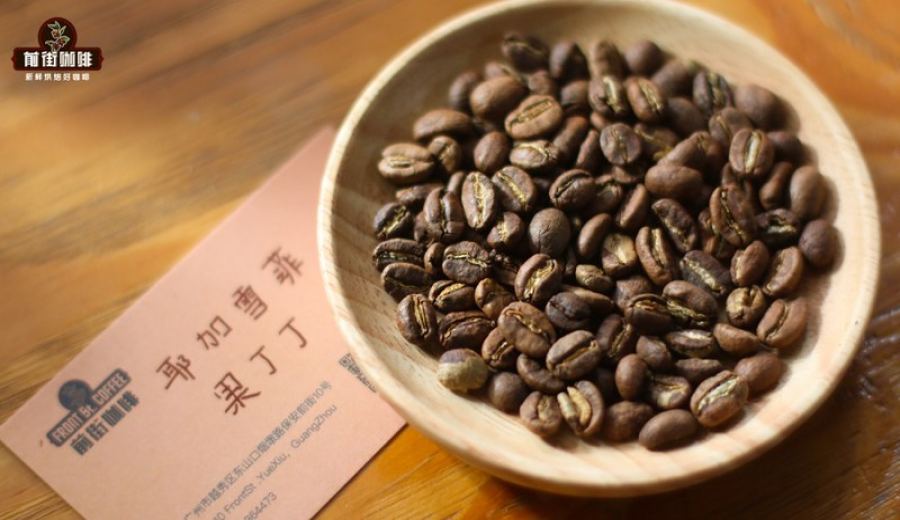
Introduction:The flavor release of espresso beans is closely related to the degassing process after roasting—not necessarily the fresher, the better for brewing. This article will delve into the resting rhythm from roast date to optimal drinking period, teaching you how to adjust extraction parameters based on roast level and degassing status, and how to identify each bean’s flavor peak by observing flow rate, crema, and sweetness. It also shares practical storage tips and purchasing advice, so you can consistently brew balanced, layered espressos at home.
After leaving the roaster, a coffee bean’s flavor does not immediately stabilize. The carbon dioxide produced during roasting continues to release from the bean, especially in the first few days post-roast. Brewing espresso directly at this stage can cause uneven extraction due to gas agitation disrupting puck stability. Therefore, "freshness" doesn’t mean brewing right after roasting—it means waiting for aroma, degassing, and extraction performance to reach a better balance point.
When inspecting packaging, it’s recommended to first confirm the roast date, then estimate the suitable drinking window based on roast level. Generally,medium-dark roast espresso beans can be tried around 5 to 10 days after roasting, whilemedium roast single-origin beans are advised to wait 7 to 14 days. Dark roasts, due to faster degassing, may require slightly less waiting time. However, these time ranges aren’t absolute—actual rhythms may vary depending on packaging seal tightness, storage environment temperature, and roast development level.
So-called "resting" actually means allowing coffee beans to naturally and orderly release carbon dioxide in a sealed environment, not exposing the bag to air. Most original coffee bags with one-way degassing valves already provide suitable resting conditions—just store them in a cool, dry cabinet. It’s recommended to test a small amount from the same bag daily, which helps grasp actual extraction performance better than simply calculating by calendar. If you find the espresso crema too coarse or the flow intermittent, consider waiting another two or three days and observe whether sweetness and flow rate improve.
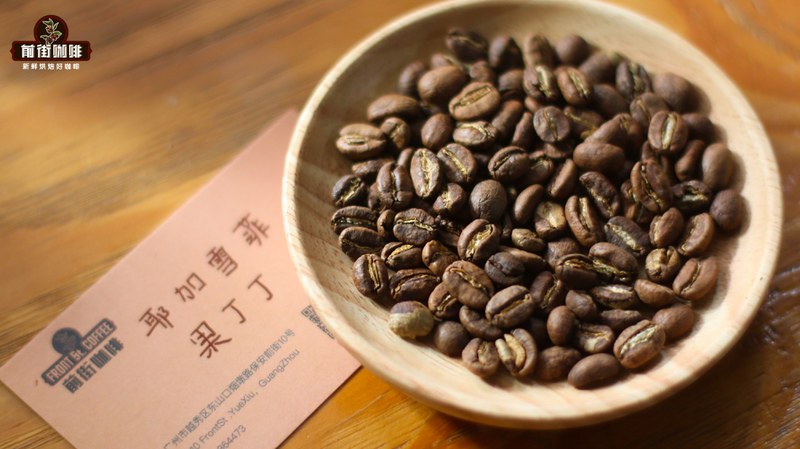
For those wanting a more flexible tasting window, classic blend options can be considered. For example, a blend characterized by roasted nuts, cocoa powder, and caramel sweetness delivers a full-bodied espresso texture that retains a clear coffee structure even when milk is added. Such beans usually become drinkable about a week post-roast, and the next two to three weeks allow tracking flow rate changes. As flavors gradually unfold, they’re great for making lattes or flat whites with rounded, sweet profiles.
Readers who prefer single-origin flavors might try a Brazilian single-origin bean with notes of roasted almonds, milk chocolate, and toffee. This bean has a soft acidity, making it smooth as an espresso shot—even short Americanos rarely turn sour. It’s suggested to start seeking a concentrated sweetness phase 7 to 12 days post-roast. If planning to brew via pour over as well, consider opening the bag slightly later to allow a gentler aroma release.
For coffee lovers who enjoy deep, heavy profiles, an Indonesian Golden Mandheling might be ideal. In espresso extraction, this bean often presents a thick, cocoa-butter-like body alongside black chocolate, mild spices, and subtle herbal notes. Its acidity doesn’t overpower, and even when diluted, it retains a long-lasting finish. Due to its darker roast, try it 5 to 8 days after roasting and consider slightly lowering the water temperature to preserve a robust sweetness without harshness.
During the process from opening a bag to finishing its contents, grind settings often need fine-tuning based on degassing status. Early in the bag’s life, excess internal gases may cause unstable or intermittent espresso flow; as degassing continues, flow rate typically speeds up, at which point you might consider slightly refining the grind or reducing output slightly. Keeping daily notes on dose, yield, brew time, and taste helps track the bean’s maturity curve and optimal extraction parameters.
Purchase quantity also affects whether you can finish the beans within their flavor peak period. Calculating one 18g shot per cup, a 250g bag (minus grinding loss) yields roughly twelve cups; drinking one cup daily usually suffices within two weeks. If using the machine only on weekends, opt for smaller packs to reduce storage pressure. For those brewing two to three cups daily, consider buying a new bag when only three to four days’ worth remains, allowing natural alignment between degassing and drinking periods.
Post-opening storage focuses on minimizing exposure to oxygen, heat, moisture, and strong light. If the original packaging has a degassing valve and good seal, gently squeeze out excess air after taking beans out, reseal tightly, and store in a dark cabinet. The grinder’s bean hopper should only hold the day’s needed amount to avoid repeated openings causing aroma loss. For long-term storage of unused beans, divide into small sealed portions—this preserves aroma more effectively than repeatedly opening a single large pack.
Refrigerator compartments, due to frequent temperature fluctuations, can cause condensation when beans go in and out, and may absorb odors from other foods, making them unsuitable for daily bean access. If planning to consume beans beyond four weeks, divide into three-to-five portion-sized sealed packs and freeze. They can be ground directly upon removal or left to return to room temperature before opening. Note: once thawed, beans should not be refrozen to avoid flavor inconsistency.
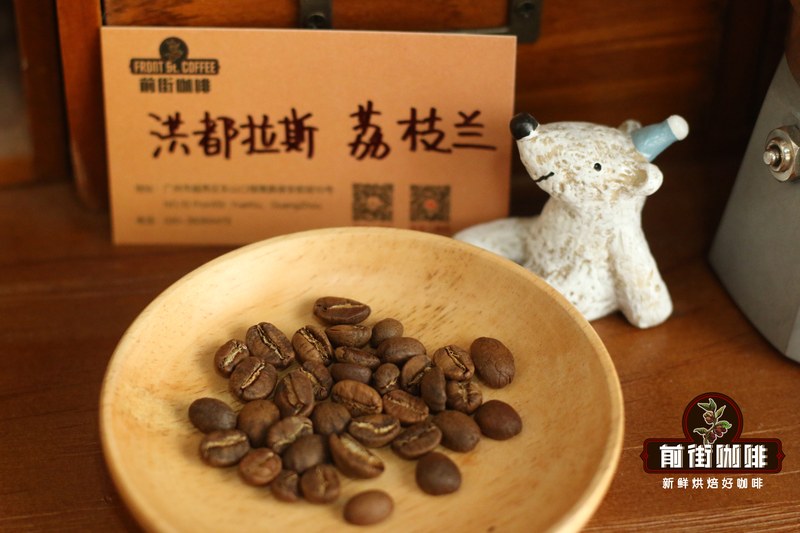
The most reliable way to judge whether coffee beans are still at their best is through nose and taste. When aroma emerges clearly, sweetness is distinct, and aftertaste is clean, the beans are likely at their optimal stage for you. If aroma noticeably fades or flavors turn dull, use remaining beans for milk-based drinks, or consider shortening your next purchase cycle. Mapping roast date, planned opening date, and daily cup consumption onto a timeline turns coffee bean selection from mere naming into strategic flavor journey planning for every espresso cup.
The above content is compiled by CoffeeHunters, a coffee news website.

