







Introduction:The flavor of pour over coffee evolves continuously over time, transitioning from the astringency of freshly roasted beans to the smoothness after resting. Each stage offers unique characteristics. This article delves into the flavor changes of coffee beans from roasting to brewing, teaching you how to manage the resting period, identify the optimal extraction window, and store your beans correctly—so every brew delivers the most captivating cup possible.
One of the charms of pour over coffee lies in its ability to showcase different flavor profiles over time. Freshly roasted beans often contain high levels of carbon dioxide, which not only affects extraction evenness but may also result in sharp, thin, or even muddled layers in the cup. In contrast, properly rested beans achieve better balance between acidity and sweetness, with floral and fruity notes and rich aftertastes more fully expressed. Therefore, when selecting pour over beans, it’s advisable to prioritize the roast date over the flavor descriptions on the packaging.
The so-called “best-by” period is actually an ideal window for peak flavor expression, rather than a fixed expiration date. Lighter roasted beans, due to their lighter roast level, often exhibit more noticeable aroma changes, making them particularly suitable for those who enjoy floral, fruity, or tea-like profiles. Medium roasted beans, on the other hand, have relatively stable flavor development and are ideal for daily drinking, offering balanced acidity, sweetness, and body. However, this golden time frame isn’t fixed—it can vary depending on bean origin, roast profile, packaging method, and storage environment.
Freshly roasted coffee beans must go through a degassing period, also known as the “resting” process. During this time, residual carbon dioxide inside the beans is gradually released. Insufficient degassing can cause water to pass through the coffee bed too quickly during brewing, leading to uneven extraction, harsh acidity, and muted aromas. Generally speaking,light roasted beans are best tried 7 to 14 days after roasting,medium roasted beans around 5 to 10 daysare common, whiledark roasted beans typically reach an optimal drinking state within 3 to 7 days.
The above timeframes are for reference only. Actual resting periods may vary based on bean density, roast degree, processing method, and packaging airtightness. After the estimated resting period, try a cup—if the aromas are clear and the taste is no longer overly aggressive, it’s ready for regular consumption. If it still feels bubbly or the flavors are disjointed, let it rest another two or three days. Rather than blindly chasing “the newer, the better,” adjusting based on actual conditions often leads to a truer coffee experience.
When purchasing pour over beans, check the roast date first, then plan according to your drinking frequency. If you only drink two or three cups a week, opt for beans with about two weeks of optimal flavor remaining at the time of purchase. For daily drinkers, choose recently roasted beans in appropriately sized packages. This way, you can enjoy the rich layers developed through resting while avoiding rapid flavor loss caused by prolonged air exposure after opening.
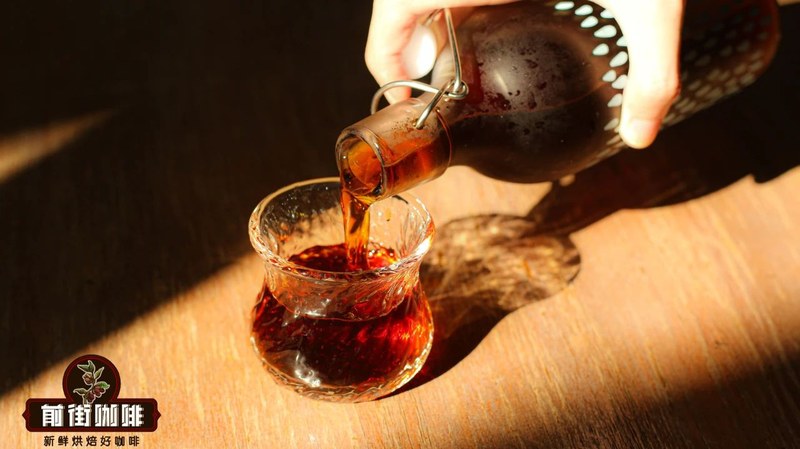
Take the “Kafa Forest” from a well-known roastery as an example. Once properly rested, this bean often displays sweet aromas reminiscent of oranges and ripe apricots, with a lingering aftertaste akin to the fresh finish of oolong tea. For initial tastings, use hot water for pour over and focus on the evolving aromas. When the coffee cools slightly, try again—you’ll often notice sweeter details more distinctly. It’s perfect for consecutive cuppings over a few days to observe how time influences flavor.
If you prefer more intense fruitiness, the “Grana Estate Geisha” from a renowned roastery is another excellent option. Once well-rested, its aroma gradually unfolds with notes of orange blossom, guava, apricot, and strawberry jam. Try multiple pour overs, noting the differences in aroma and taste across each cup. There’s no need to judge its full potential immediately upon opening. Multiple tastings provide a more comprehensive understanding of the bean’s character.
Once opened, coffee beans face challenges from air, moisture, light, and temperature. After each use, promptly squeeze out excess air from the bag and securely seal the one-way valve packaging. Store it in a cool, dry, and dark cabinet. Areas near the kitchen stove, windows, or sinks—where heat, grease, and humidity are common—can accelerate flavor degradation and should be avoided. For room-temperature storage, light-blocking measures are more crucial than using transparent glass jars.
If a package is expected to last over three to four weeks, consider dividing the beans into smaller portions for weekly use upon opening. Keep the portion you’ll consume soon at room temperature, and store the rest in an airtight bag in the freezer. When taking beans out, allow the entire sealed package to come to room temperature before opening to minimize condensation that could affect flavor. While freezing isn’t essential for every household, portioning is indeed helpful for extending freshness for infrequent drinkers.
In summary, the flavor journey of pour over coffee can be divided into several stages: initially observing whether the aromas open up, then seeking balance between sweetness and layers in the middle phase, and finally watching for any decline in aroma or shortening of aftertaste. Taking a standard 250g pack as an example, if consumed daily, it will likely be finished within three to four weeks. Choose a package size that fits your actual drinking pace. Instead of hoarding multiple flavor profiles, aligning roast dates, storage methods, and consumption speed ensures each cup of pour over coffee showcases its intended beauty.
The above content is compiled by CoffeeHunters, a coffee news website.


