







Introduction:The crema on the surface of an espresso shot is not just a visual delight—it directly influences taste and overall drinking experience. Did you know that crema formation is closely related to roast level, freshness, and grind size? This article will explore how beans roasted to different levels affect the thickness, stability, and flavor expression of crema during espresso extraction, helping you choose the right beans according to your preferences and achieve your ideal crema and espresso taste.
When you pick up a cup of espresso, the first thing that often catches your eye is the golden-brown foam floating on the coffee’s surface. This layer, known as "crema," is not just a visual accent but also a key element affecting mouthfeel and overall flavor. If you want your espresso to have a more pronounced crema and richer mouthfeel, start by considering the roast level of the coffee beans.
Generally speaking, the darker the roast, the easier it is to form a thick, dark crema, often accompanied by bold, dark chocolate-like flavors. Lighter roasts, on the other hand, emphasize bright acidity, clear layers, and fresh floral or fruity aromas. Neither style is inherently better—the key lies in whether your ideal espresso is deep and mellow or bright and refreshing.
However, the "crema" mentioned here isn’t simply the natural oils from the coffee beans being squeezed out. In reality, when hot water under high pressure passes through a compact puck of coffee grounds, it releases carbon dioxide built up inside the beans during roasting. This gas combines with volatile aromatic compounds and trace amounts of oils in the coffee to form the familiar dense foam.
This process is influenced by various factors, including bean freshness, structural characteristics of the roast, grind fineness, and the pressure used during extraction—all of which directly impact the final crema’s thickness and how long it stays stable. So if you notice that the crema suddenly becomes thin or dissipates too quickly, the reason may lie in one of these stages.
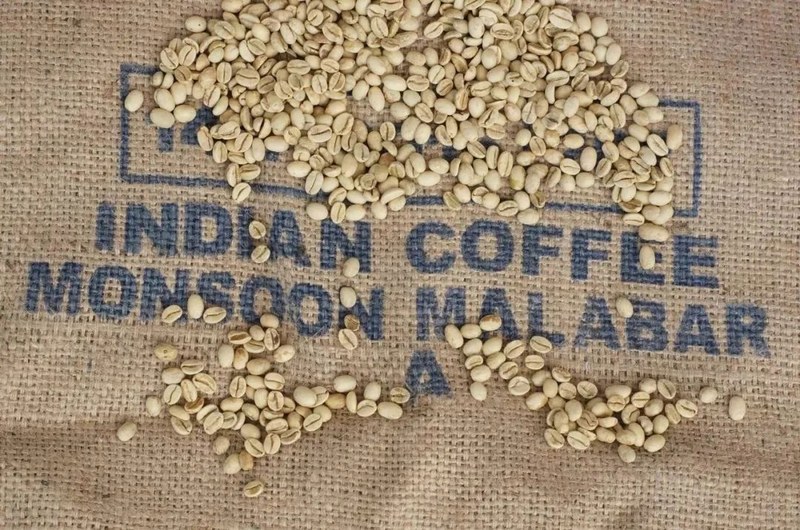
Take light roasts, for example. These beans typically have a tighter structure, and the carbon dioxide trapped inside is released more slowly. As a result, you often need to adjust to a finer grind, higher water temperature, or longer extraction time to fully bring out the flavors. Although the crema produced by such beans may be thinner and lighter in color, the resulting cup often features citrus, berries, tea-like notes, or delicate floral aromas—making it ideal for those who enjoy a clean, vibrant taste and the unique character of the origin.
If you prefer drinking espresso straight or usually go for light, refreshing Americanos, you might embrace a thinner crema in exchange for livelier and brighter aromatic layers. For beginners, light roasts are also a great starting point for understanding the original flavors of coffee.
Medium-light roasts serve as a transitional style. Compared to light roasts, they tend to bring out more sweetness and body without completely suppressing acidity. The resulting espresso often has gentle fruit acidity, natural caramel sweetness, and a brighter finish. If you’re using a home semi-automatic espresso machine, you can start by choosing beans in the medium-light to medium roast range—this way, whether you’re making a short espresso or diluting it into an Americano, you’ll still get good flavor expression and flexibility.
Moving on to medium roasts, these beans can generally meet most people’s desire for “crema without excessive bitterness.” Through more complete heat reactions, the interaction between sugars and amino acids in the beans produces aromas reminiscent of caramel, nuts, and even cocoa, resulting in a smoother espresso texture. Not only do single shots present balanced flavors, but even when a small amount of milk is added, the coffee’s own aroma remains distinct—making medium roasts a versatile choice for daily drinking.
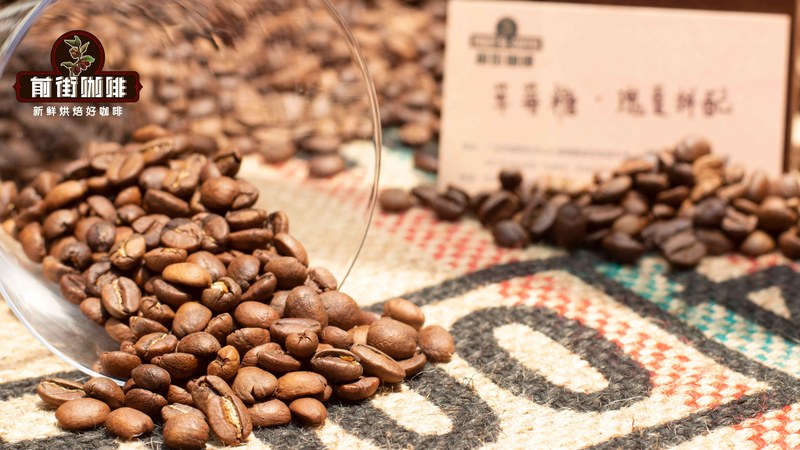
Medium-dark roasts take the flavor profile even deeper, often bringing out common notes like black sugar, cocoa, roasted nuts, and a fuller body. The espresso extracted from these beans usually has a richer, more abundant crema that is darker in color. This makes them well-suited for drinks like lattes, flat whites, or cappuccinos, where the concentrated coffee flavor can stand up to the milk without the dairy completely overpowering the coffee. If you especially value the visual appeal of crema and the thick, velvety mouthfeel, the medium-dark roast range is definitely worth trying first.
As for dark roasts, their crema often leaves a strong visual impression. But be aware: “dark color” doesn’t guarantee a long-lasting or rich crema. Over-roasting can make the bean structure fragile and accelerate carbon dioxide release; if stored for too long, there will be less gas available to form the foam. Therefore, when selecting dark roast beans, pay attention to the roast date and ensure they are used within their best-before period. In terms of taste, dark roasts are better suited for those who prefer low acidity, intense caramel aromas, and a heavy, lingering finish.
If you want to start with a medium roast, consider beans like Brazil Queen Estate. These often deliver sweet notes reminiscent of roasted nuts, cocoa powder, and toffee, with mild acidity that doesn’t overpower the cup. As a short espresso, it feels smooth and well-rounded. Brewing it directly with a home machine lets you taste the balance of sweetness and bitterness; adding milk transforms it into a nutty, chocolatey milk coffee, suitable for various drinking styles.
For readers who prefer a dark roast style, try beans like Indonesia Golden Mandheling. It offers unique herbal notes along with dark chocolate flavors. Its espresso performance is steady, and its low acidity makes it more approachable for those who don’t enjoy strong sourness. When brewed with a moka pot, its body becomes even more pronounced; if you drink it as an Americano, we recommend extracting a shot first and then adding water to taste—this often highlights more layers than direct dilution.
If you enjoy both black coffee and milk-based drinks at home, you might also consider a medium to medium-dark blend. These blends often focus on flavors like nuts, cocoa, and caramel. The espresso itself has a certain weightiness and performs steadily whether drunk straight, with milk, or diluted with water. When selecting, you can estimate the flavor tendency based on roast level: go lighter for brighter aromas, choose medium for balanced sweetness, or aim for medium-dark to dark if you want more crema and a richer body.
The above content is compiled by CoffeeHunters, a coffee news website.

