







Introduction:Choosing the right home-use Americano coffee beans with the appropriate roast level is the first step to brewing a delicious cup. Light, medium, and dark roasts each have their own unique flavor profiles — from bright fruit acidity and gentle sweetness, to rich chocolate and nutty aromas — suiting different brewing methods and personal preferences. This article will guide you through the characteristics of various roast levels and provide practical advice on selecting beans and brewing, helping you find the Americano beans that best match your taste.
The charm of home-brewed Americano coffee actually lies in the subtle differences of roast depth. Light-roasted beans often bring out bright fruit acidity, floral notes, and refreshing sweetness, making every sip vibrant, like a fresh glass of juice. If you enjoy savoring the layers in coffee — from citrus and berries to tropical fruit aromas — light roast beans are a great starting choice. However, remember to adjust the water temperature and grind size according to the beans' characteristics to fully bring out that juicy feel.
If you have a particular fondness for floral and tea-like notes, then some high-aroma light-roast beans are also worth trying. These coffees often emit delicate scents like jasmine or citrus, offering a light body and clean aftertaste. Hot pour-over brewing can allow the aroma to gradually release, and it’s also well-suited for making small servings of black Americano. As the temperature drops, the flavor layers become even more distinct.
Medium-roasted beans are masters of balance. Their acidity doesn’t overpower, and sweetness and body are usually well-coordinated, making them highly suitable for various daily home brewing methods — whether using filter cones, drip pots, or home espresso machines. For black coffee lovers who want to avoid overly strong fruit acidity but still seek some complexity, medium roast is a friendly starting point.
It’s worth mentioning that medium roast doesn’t mean bland flavors. Regional characteristics and processing methods still significantly influence the final flavor profile. Some may carry citrus, berry, and light floral notes, while others lean toward caramel, nuts, and cocoa aromas. When purchasing, consider referring to the flavor descriptions on the packaging and choose one or two aroma types you’re familiar with as your selection criteria.
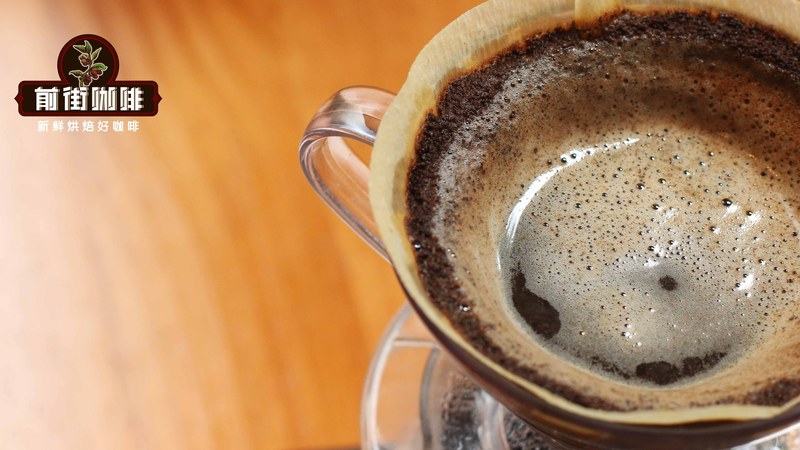
If you prefer coffee with mild acidity yet still layered, medium-light to light-medium roasted beans — such as certain options from the Yirgacheffe region — are also great to try. When brewed hot, you can sense the lively expression of citrus and berries, while the finish often carries floral and green-tea-like freshness. Switching to cold brew results in an overall smoother and rounder flavor, ideal for making slow-sipped iced Americanos.
Dark roast beans take on a completely different style. Their roast color is darker, and their aromas are mostly black chocolate, roasted nuts, caramel, and a slight smokiness. The richness and fullness upon tasting are also more pronounced. These coffees generally have low acidity, making them suitable for those who enjoy bold flavors or plan to make milk-based coffee or espresso-diluted Americanos. But it’s important to note that dark roast does not necessarily mean bitter or harsh — with proper control of extraction time and grind coarseness, you can greatly reduce the dryness and burnt bitterness caused by over-extraction.
When using a home espresso machine, it’s recommended to start with a shorter extraction time and smaller output volume to concentrate the dark roast beans’ aroma and sweetness. If using drip or filter cone brewing, you can appropriately lower the water temperature to avoid overly extracting the roast flavor. If you detect a noticeable burnt bitterness, adjusting the grind to be coarser or shortening the contact time is often more effective in improving overall balance than simply adding sugar.
Finally, when choosing roast levels, don’t forget to check the roast date and storage recommendations on the packaging. Light roast beans tend to lose their aroma quickly, so it’s best to consume them sooner. Medium to dark roasts may become more mellow over time, but they too have an optimal flavor window. Regardless of the roast style you choose, it’s advisable to buy a quantity suitable for finishing within a short period, and after setting a fixed daily dose, taste several cups in a row. Observe changes in acidity, sweetness, body, and aftertaste, then gradually adjust to the roast depth that suits you best.
The above content is compiled by CoffeeHunters, a coffee news website.

