








Introduction:Choosing the right Americano coffee beans hinges on understanding how roast levels influence flavor expression. This article delves into the characteristics of light, medium, and dark roast beans—from fruity, caramel, to rich chocolatey notes—to help you find the ideal beans based on your taste preferences. We also offer practical brewing suggestions, including water temperature, brew time, and coffee-to-water ratio, so you can brew a layered Americano at home.
Most Americanos are made by mixing espresso with hot water, though many also prefer to brew similar-flavored black coffee via drip or pour over methods. Regardless of the method, the roast level of the coffee beans is the core factor determining the final flavor profile, directly affecting the balance of acidity and sweetness, aroma types, body, and aftertaste length. If you want to pick an easy-drinking Americano that suits your personal palate, it’s advisable to first clarify whether you prefer bright, refreshing fruitiness or rich caramel, cocoa, and full-bodied textures, then choose an appropriate roast level accordingly.
Light roast coffee beans typically retain more of the origin’s original character. The resulting Americano often carries floral, citrus, berry, or even tropical fruit aromas, with a relatively light mouthfeel and vibrant, lively acidity. These beans are especially suited for drinkers who enjoy savoring the subtle layers of aroma. When using an espresso machine, ensure sufficient extraction; if parameters are well set, the flavor structure and layering can remain clear even after dilution with hot water.
Recommended to try beans with distinct and layered flavors, such as certain high-altitude-grown Geisha varieties, which commonly exhibit aromas of orange blossom, guava, apricot, and ripe berries. Whether brewed via pour over or espresso-with-water, they can showcase different aromatic directions. Pour over allows for a more nuanced experience of the unfolding aromas, while espresso-with-water can make the jam-like sweetness more concentrated—ideal for those who prefer fruit-forward Americanos.
Roast levels between light and medium-light often offer greater flexibility in Americano brewing. These beans not only preserve fruity and floral notes but also add some sweetness and rounded texture, making them less likely to taste thin even when diluted with hot water. Beans in this range—such as certain South American varieties—often carry aromas of passionfruit, blueberry, and grape, especially delivering a refreshing juice-like sensation when served cold.

When making iced Americanos, the aromatic vibrancy of medium-light or light roast beans becomes even more prominent. However, the cooling effect of ice can dilute overall flavor and mouthfeel, so it’s recommended to use espresso with higher aromatic density. For example, certain South American beans maintain a juice-like texture even in low temperatures. For hot drinks, reducing the amount of added water can help concentrate the acidity and sweetness, as well as the aftertaste, enhancing the overall drinking experience.
Medium roast beans gradually shift their flavor profile toward caramel, nuts, cocoa, and ripe fruit sweetness, with acidity becoming noticeably softer and the overall mouthfeel more balanced. For everyday Americano drinkers, beans with this roast level are generally easier to adapt to various coffee-to-water ratios, retaining some origin character while offering stable body. If you’re looking for a black coffee that’s neither monotonous nor overly intense, medium roast is a great starting point.
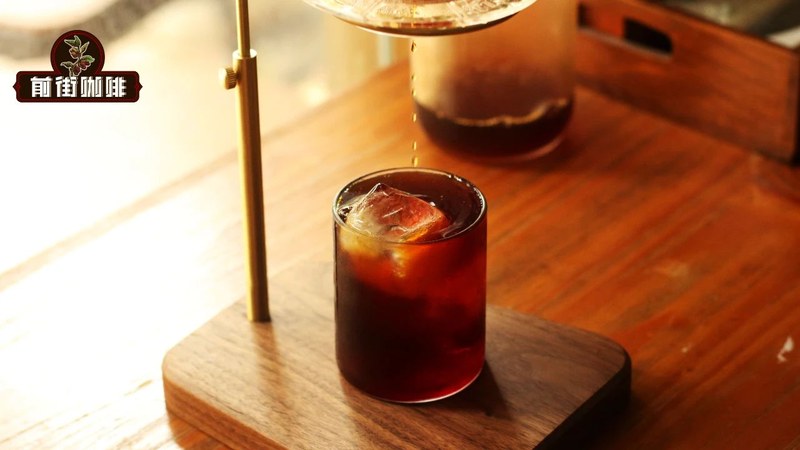
If you prefer delicate floral notes and tea-like sensations, certain Geisha varieties from specific regions are worth trying. These beans often exude aromas of jasmine, bergamot, and citrus, with a tea-like, soft finish reminiscent of black tea. Using a shorter espresso extraction time paired with hot water can preserve the concentration of aromas; if choosing pour over, it’s advised to slow down the brewing pace and observe the subtle changes in sweetness as the water temperature drops.
Moving into medium-dark and dark roast ranges, Americanos emphasize body, nuttiness, dark chocolate, and roasted sweetness, with acidity significantly reduced. The overall mouthfeel becomes more weighty and full. These coffees pair well with breakfast breads and are also suitable for slow sipping when diluted with more hot water. If you typically prefer thick, low-acidity black coffee, consider beans labeled as medium-dark or dark roast.
After determining the roast level, it’s also necessary to adjust parameters based on brewing method. When making Americanos with an espresso machine, light roast beans usually require longer extraction times to fully develop their aromas; medium roast beans are easier to balance in terms of sweetness and strength; dark roast beans are better suited to shorter extraction ratios to deliver a rounded yet not overly sharp mouthfeel. If the acidity feels too sharp, it may be due to insufficient extraction; if the aftertaste feels dry, consider reducing the extraction amount slightly.
In addition, water temperature and water volume greatly affect the flavor impression delivered by the roast level. For light roast Americanos, a slightly higher brewing water temperature is recommended, along with an appropriate amount of hot water to fully unfold the aromas; medium roast beans suit a balanced coffee-to-water ratio to achieve a good compromise among sweetness, strength, and freshness; dark roast beans can have their water temperature slightly lowered or the espresso extraction time shortened to make the cocoa and nut tones smoother and more palatable.
Finally, when purchasing coffee beans, it’s advisable to first check the roast level and flavor description, as well as understand the processing method—this often provides clearer expectations than simply looking at the region name. Light roast suits those who love fruity and floral notes; medium roast is ideal for those seeking sweetness and balance; medium-dark roast is closer to the everyday full-bodied and smooth drinking experience. Once you’ve chosen a direction, try several cups with consistent coffee dose, yield, and water volume to more accurately determine whether the beans meet your Americano needs.
The above content is compiled by CoffeeHunters, a coffee news website.

