







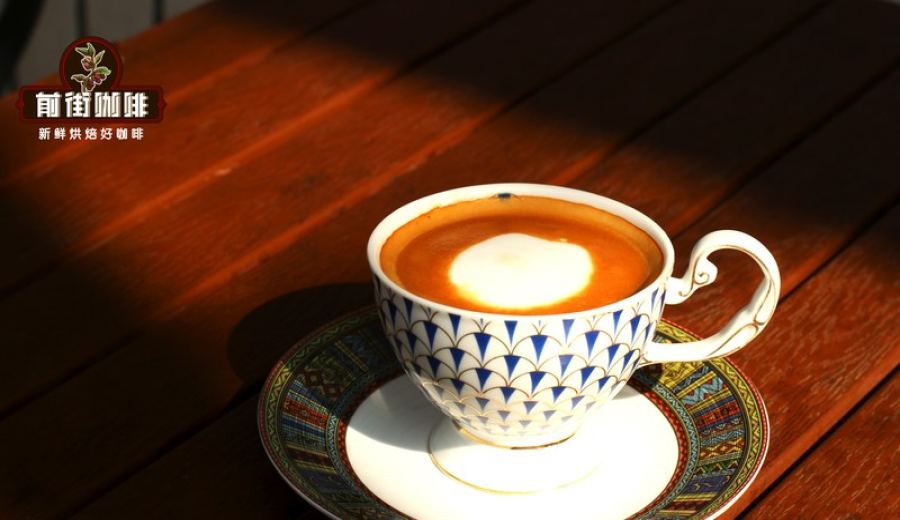
Introduction:Choosing the right roast level for espresso beans is key to influencing the flavor performance of both espresso and milk-based coffee drinks. This article delves into the characteristics of light, medium, and dark roasts—from fruit aroma brightness, sweetness layers to compatibility with milk—to help you select the coffee beans that best suit your taste preferences, along with practical grind and extraction suggestions.
The roast level of espresso beans directly affects the flavor direction of the espresso and determines the overall balance of the cup once milk is added. Whether you prefer a bright fruity note, a rich caramel sensation, or a bold dark chocolate profile, understanding the traits of different roast levels allows you to choose beans that better match your taste. Light, medium, and dark roasts have no absolute superiority or inferiority—the key lies in the texture and flavor characteristics you want your coffee to express.
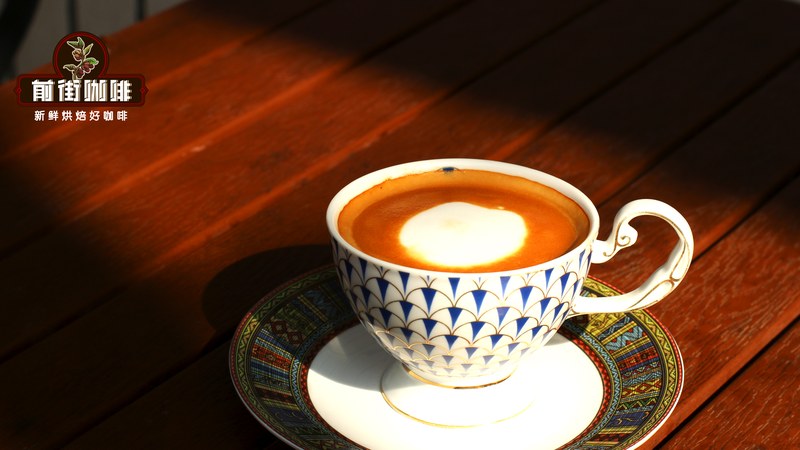
Light-roast espresso beans usually retain more distinct origin characteristics, with bright acidity and a rich array of fruit aromas. In the espresso form, common notes include berries, citrus, floral tones, and even fermented fruit nuances. The overall flavor is bright and lively, with a relatively light finish. If you enjoy short extractions without sugar or want an espresso that feels as fresh as juice, light roast is a direction worth trying.
When using light-roast beans for espresso extraction, it’s recommended to adjust the grind to a finer setting and moderately increase the water temperature to help fully release the coffee’s sweetness and aroma. If the flow rate is too fast, it can lead to overly prominent acidity and lack of complexity; extending the extraction time appropriately can make the fruitiness and sweetness more cohesive. Additionally, iced Americanos made with light-roast beans showcase a refreshing aroma, with ice further highlighting the vivid berry and citrus profiles.
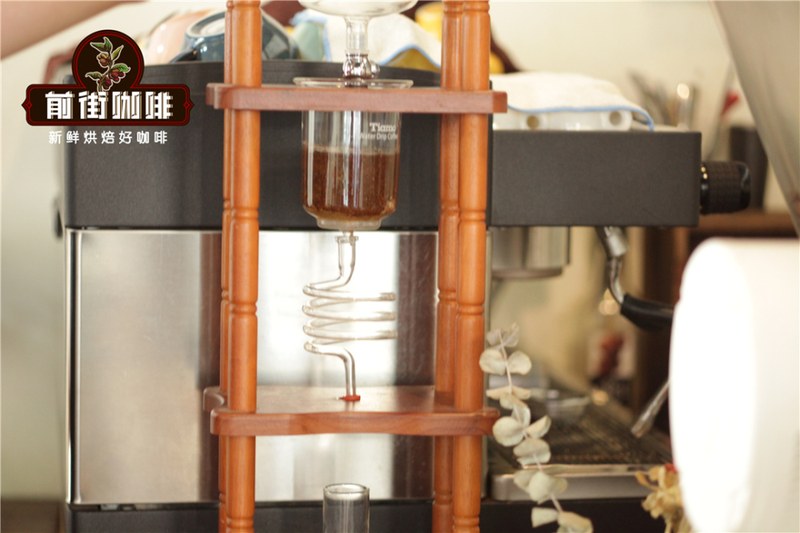
Medium-roast espresso beans strike a balance between aroma expression and body richness. They retain a certain degree of fruit acidity and origin character while developing sweet layers such as caramel, nuts, and cocoa. When making espresso, medium-roast beans generally offer a more complete mouthfeel—they’re not too thin to drink straight and can maintain a certain aromatic presence even when diluted with water. For home users of espresso machines, medium roast is often a broadly adaptable choice.
Taking medium-roast beans as an example, their flavor typically exhibits notes of roasted nuts, cocoa sauce, and caramel syrup, with moderate acidity and a rounded espresso body. When making Americano, hot water brings out the sweet layers; using a moka pot or espresso machine also maintains a smooth mouthfeel. If you prefer your coffee sweet but don’t want overly pronounced fruit acidity, medium-roast beans are a great entry-level flavor type.
Dark-roast espresso beans tend to have aromas leaning toward dark chocolate, roasted nuts, caramel, and even subtle smokiness. The mouthfeel is noticeably thicker, with more intense crema and color expression. These coffees blend well with milk—when making lattes or cappuccinos, the inherent coffee flavor is less likely to be masked by the milk. If you enjoy traditional Italian-style coffee or prefer a bold, full-bodied taste, dark-roast beans are an ideal choice.
For dark-roast beans, it’s recommended to use slightly lower water temperatures and shorter extraction times to preserve sweetness and body richness. If the flow rate is too slow, resulting in overly concentrated coffee, bitterness and dryness can easily emerge. In such cases, consider adjusting to a coarser grind or reducing the extraction yield. It’s worth noting that dark roast does not equate to bitterness—by fine-tuning factors like heat, dose, and extraction parameters, a diverse and rich flavor profile can still be achieved.
When selecting a roast level, it’s also important to consider differences in milk-based beverages. Light-roast beans pair well with lightly milked flavored lattes, highlighting the distinguishability of fruit aromas; medium-roast beans, when combined with regular milk, usually yield a softer caramel sweetness; dark-roast beans suit drinks with higher milk content, where the bold coffee flavor can cut through the foam and fat layers. If you mostly make espresso and Americano at home, you might explore the ideal acidity-sweetness balance between light and medium roasts; if lattes are your daily go-to, medium-dark or dark-roast beans can provide more robust coffee backbone. By combining the roast level descriptions and flavor notes on the packaging, and then fine-tuning according to your personal recipe, you can gradually find the most suitable espresso bean combination for yourself.
The above content is compiled by CoffeeHunters, a coffee news website.

