







Introduction:When selecting beans for pour over coffee, the roast level is key to aroma, sweetness, and mouthfeel. From bright and crisp light roasts, balanced and smooth medium roasts, to rich and bold dark roasts, each roast profile offers unique flavor characteristics and brewing recommendations. This article will guide you through the features of different roast depths, provide practical flavor descriptions and brewing parameter references, helping you find the pour over beans that best suit your taste.
The flavor profile of pour over coffee is largely determined by the roast level of the beans. Light roast beans typically highlight vibrant acidity and floral notes, medium roasts bring rounder sweetness and a more complete mouthfeel, while dark roasts focus on roasted aromas like cocoa and nuts. When looking to purchase suitable pour over beans, it’s a good idea to start by filtering based on your preferred roast depth.
For those who enjoy a clean and bright style, light roast beans are an ideal choice. These beans often exhibit vivid acidity, frequently showcasing citrus, berry, or tropical fruit notes, with new layers potentially emerging as the coffee cools. For pouring, it is recommended to use slightly higher water temperature and a bit finer grind to help fully release the flavors; if the taste feels too sharp or thin, you can adjust the extraction accordingly rather than giving up right away. For example, a common light roast Ethiopian bean may express flavors that range from the clarity of citrus to berries and delicate floral notes, with a finish reminiscent of green tea’s freshness. The aroma is prominent when hot brewed, while cold brew results in rounder acidity, making it especially suitable for summer drinking.
Another light roast experience can be as lively as fresh juice. Some light roast Colombian beans showcase tropical fruit profiles such as passion fruit, blueberry, grape, and apricot, with a lively entrance and noticeable sweetness. Maintaining consistent pouring helps preserve clarity, and as the coffee cools, fruit flavors become even more prominent—ice pour over or cold drip are both great options to try.
Medium roast is the everyday choice for most pour over enthusiasts, retaining some floral and fruity notes while adding caramel sweetness and moderate body. For those new to single-origin beans, medium roast is easier to understand and control, and you can also find a balance by adjusting water temperature and grind size. When selecting, pay attention to flavor descriptors like “nuts,” “caramel,” “cocoa,” “ripe fruit,” and “brown sugar”—these traits are especially noticeable when the coffee is warm. Brewing doesn’t require complex steps; stable water flow and clear pouring phases can present the full flavor profile.
If you want to transition to a lighter mouthfeel, medium-light roast is a good option. For instance, some Panamanian Geisha beans feature notes of jasmine, bergamot, citrus, and black tea, with a light and clear texture. Use a gentle and steady pouring rhythm to allow the aromas to fully unfold, and after taking a sip, wait a moment—the temperature change will make the sweetness feel softer.
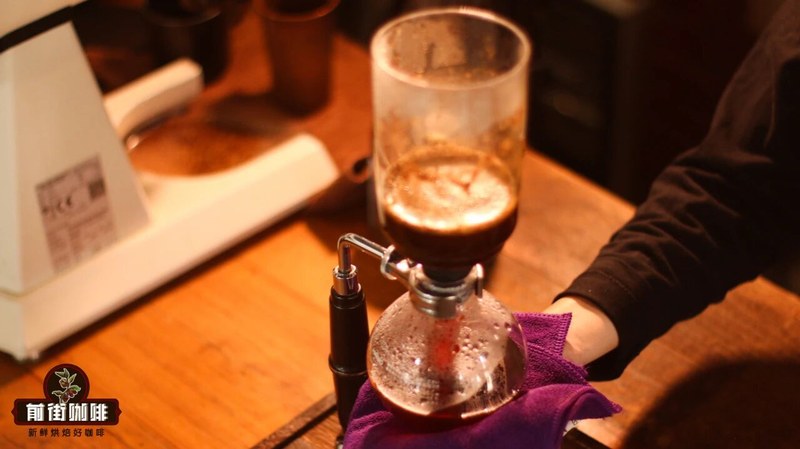
Dark roast pour over isn’t all about bitterness—it can present heavy aromas like cocoa, roasted nuts, caramel, and smokiness. It’s suitable for those who prefer a strong flavor and want their coffee to make a statement alongside breakfast or dessert. When brewing, you can slightly lower the water temperature, maintain a moderate grind, and avoid excessive agitation to reduce astringency. To determine if a dark roast bean suits you, observe whether the sweetness upon entry is smooth and whether the aftertaste is clean. If the coffee feels heavy, you can reduce the extraction amount or speed up the filtration rate; if the taste is too thin, then slow down the pouring slightly. Dark roast beans produce noticeably thicker black coffee, and when a small amount of milk is added, the cocoa and caramel tones become smoother.

When purchasing, also pay attention to roast date and packaging information. Light roast beans usually need longer resting time for the aroma to transition from sharp to harmonious; medium to dark roast beans reach drinkable status more quickly. Regardless of which roast you choose, store the coffee sealed and away from light after opening, and buy according to one to two weeks’ worth of consumption to ensure each pour over offers similar freshness.
Even within the same roast level, different regions, varieties, and processing methods can still lead to significant differences, so the flavor descriptions on the packaging are for reference only. Those who enjoy floral and fruity notes can start with light roasts; if you’re after sweetness and a soft mouthfeel, medium roast is more suitable; for those who prefer the bold texture of cocoa, try dark roast. Choose a direction you’re willing to explore continuously, and pour over can truly become a daily habit.
The above content is compiled by CoffeeHunters, a coffee news website.


