








Introduction:As a classic bean variety from Ethiopia’s renowned growing region, Yirgacheffe is famed for its distinctive floral and fruity aromas and bright acidity. However, different roast levels can significantly influence its flavor profile — ranging from refreshing floral-citrus notes to rich cocoa and nuttiness. This article will guide you through the differences between light roast, light-medium roast, and medium-dark roast, as well as how to match them with suitable extraction parameters based on your personal taste preferences, so you can brew a layered pour over Yirgacheffe at home.
When brewing Yirgacheffe in a filter dripper, common flavor notes include floral aromas, the freshness of citrus fruits, and berry-like tones. The cup is light and refreshing, and as it cools, sweetness gradually emerges. However, these characteristics evolve differently depending on the roast level: lighter roasts typically showcase more vibrant and bright expressions, light-medium roasts offer balance and roundness, while medium-dark roasts tend toward richness, often featuring cocoa, nuts, and a fuller body. To find the flavor that suits you best, it’s recommended to start from your preferred taste characteristics and explore gradually.
If you love aromatic complexity, a light roasted Yirgacheffe is your top choice. These beans are usually roasted to a lower degree, preserving more of the origin’s inherent traits. During brewing, they readily release white floral notes, citrus peel, berry fruitiness, and even a slightly tea-like finish. Although the acidity is pronounced, it is not sharp or overly aggressive. With proper water temperature, grind size, and pouring technique, the interplay of acidity and sweetness can be as refreshing and pleasant as fresh juice.
It’s recommended to try Yirgacheffe varieties with fruity characteristics, such as the Quteddeng type from certain regions.When brewed as a light roast pour over, these beans often display pronounced citrus and berry aromas, accompanied by delicate floral layers, and may even end with a green-tea-like clean aftertaste. Brewing with a glass or cone-shaped filter dripper helps enhance the volatility of the aromas, making it especially suitable for enjoyment after breakfast or during a relaxed afternoon.
For brewing light roasted Yirgacheffe, the focus is on allowing the flavors to fully express while avoiding overly prominent or sharp acidity. It’s suggested to use slightly higher water temperature (around 92–94°C) along with a finer grind setting, which helps fully release the aromatics in the early stages and sweetness in the mid-palate. If you find the cup dominated by acidity, you can moderately extend the brew time or slightly adjust the grind to a finer setting. Additionally, after brewing, it’s beneficial to first enjoy the aroma while the coffee is hot, then wait for it to cool, as more layers of fruitiness often become apparent.
Light-medium roast is an option that most coffee enthusiasts find approachable and easy to adapt to. This roast level retains Yirgacheffe’s characteristic floral and fruity notes while also bringing a touch of caramel-like sweetness. Unlike light roast, it doesn’t emphasize high-toned acidity, resulting in a smoother overall mouthfeel and a closer connection between aroma and sweetness. For those just starting to explore Ethiopian beans but who hope for a cup that isn’t too thin, light-medium roast pour over is a friendly entry point.
When selecting a light-medium roast bean, pay attention to flavor descriptions that include floral, citrus, honey, tea-like, or ripe fruit notes. These descriptors often indicate clear layers of aroma, and terms like ripe fruit or honey suggest a softer mouthfeel upon drinking. It’s recommended to use a medium water flow rate during brewing and avoid excessive agitation to help preserve the purity of the sweetness. Whether as a daily black coffee or shared with family members who prefer various dietary flavors, it’s very suitable.
When moving to medium roasted Yirgacheffe, the flavor profile shifts further toward body and depth. The original bright fruit notes may gradually transform into those of ripe fruit, caramel, cocoa, or even toasted nuts. Floral notes may still appear, but they are no longer the dominant character of the cup. These beans are better suited for users who prefer mild acidity and prioritize a smooth mouthfeel. Pour-over brews from medium roast Yirgacheffe often present a rounded and full-bodied everyday drinking style.
Medium roast beans have relatively wider tolerance in brewing. Water temperature doesn’t need to be very high, and grind size can be started with a medium-coarse level. If the coffee feels thin, you can slightly adjust the grind to a bit finer or slow down the pouring pace. If the finish feels dry or astringent, it’s advised to reduce agitation in the later stage of pouring and moderately shorten the overall water contact time. Through minor adjustments, you can find the most comfortable balance between flavor richness and clarity.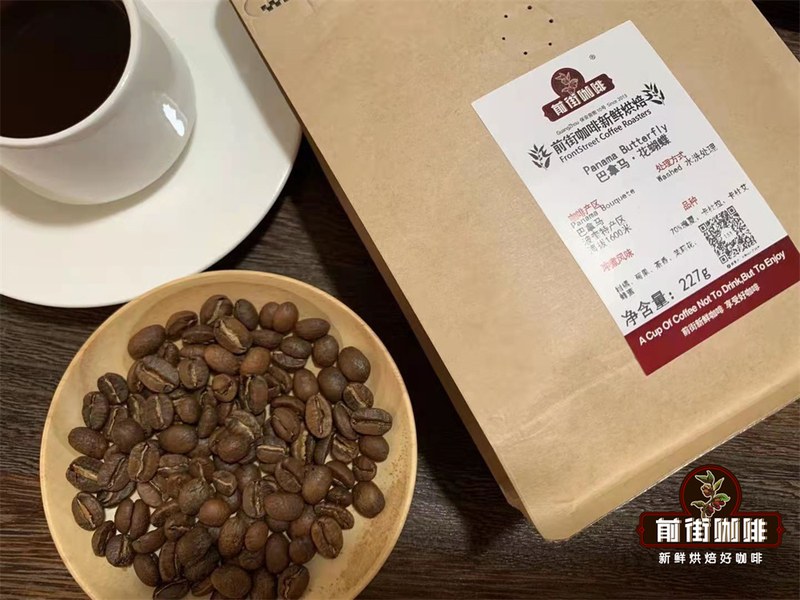
Even within the medium-dark roast range, Yirgacheffe remains suitable for pour over brewing. However, the origin’s characteristic floral and fruity expressions take a back seat, making way for more prominent notes of nuts, dark chocolate, and caramel. This roast level is better suited for black coffee lovers who aren’t used to strong acidity and prefer a fuller body. It’s recommended to use a lower water temperature (around 88–90°C) and a coarser grind setting to help preserve sweetness and reduce excessive bitterness or smoky notes.
From a practical drinking perspective, light roast and light-medium roast are suitable for both hot pour over and iced coffee, offering a refreshing experience; medium roast is more recommended as a hot drink, as the sweetness of ripe fruit and caramel becomes more pronounced as it cools; medium-dark roast pairs very well with breakfast or light snacks. Regardless of the roast level chosen, it’s important to ensure the overall concentration of the coffee liquid, the balance between acidity and sweetness, and the harmony of the aftertaste are all well-coordinated, in order to fully showcase the potential of Yirgacheffe.
Finally, when purchasing, be sure to pay attention to the roast date, package seal integrity, and storage environment. Freshly roasted beans usually require an appropriate degassing period. Light roast beans can be left to rest for a few more days before brewing to allow flavors to develop; medium-dark roast beans typically stabilize more quickly. After opening, it’s recommended to store the coffee beans in a sealed container in a cool place, and purchase according to your daily consumption to continuously experience the subtle changes of the same Yirgacheffe from initial floral and fruity notes to later developments in sweetness.
The above content is compiled by CoffeeHunters, a coffee news website.


