







Introduction:Cold brew and ice drip, due to their low-temperature and long-duration extraction methods, showcase very different flavor profiles compared to hot brewing. Choosing the right roast level of the coffee beans is key. This article will explore the three main roast levels—light, medium, and medium-dark—to analyze their distinct flavor directions, and provide practical bean selection and brewing tips, helping you easily find your own ideal style of iced coffee.
Both cold brew and ice drip are preparation methods that involve low-temperature and slow extraction. Compared to hot coffee, they have a smoother mouthfeel and more restrained aromas due to the chilling process. Therefore, when selecting coffee beans, “roast level” serves as a highly practical reference point. Beans roasted to different levels exhibit notably varied flavor characteristics in cold brew and ice drip—from bright fruity and floral notes to rich caramel tones—allowing you to choose based on your personal taste preferences.
Generally speaking,Light roastcoffee beans, due to their shorter roasting time, retain more of their original flavors and tend to express bright qualities such as fruits and flowers. They are well-suited for those who enjoy a refreshing, sweet-and-sour taste. However, light-roasted beans are more sensitive to grind size and extraction time: too short may result in insufficient aroma, while too long can bring out sour or astringent aftertastes. They are especially fitting for drinkers who enjoy berry, citrus, or tropical fruit flavors, particularly in ice drip where you can clearly perceive the layered transition of aromas from the start to the finish.
This Colombian Geshais a bean that shines when appreciated from a light roast perspective. Its flavor profile is often described as a blend of passionfruit, blueberry, grape, and apricot. Even when chilled, it retains clear fruity notes with a refreshing juice-like mouthfeel and a light sweet finish. When using it for cold brew, it’s recommended to serve it over ice; if prepared via ice drip, it better showcases the gradual transformation of various fruit aromas—perfect for black coffee lovers seeking layered complexity.
In terms of brewing, the recommended grind size for light-roasted beans ismedium-coarse.Start with a stable water flow or immersion time as the base, then adjust the coffee-to-water ratio based on desired strength. For ice drip, there’s no need to intentionally pursue an extremely slow drip rate—the key lies in maintaining a stable and even water flow, which is more crucial than simply extending the time. If the cold brew tastes overly concentrated, you can dilute it slightly with ice water to open up the fruitiness; if it feels too thin, reduce the dilution to enhance the intensity.
If you prefer a rounder mouthfeel and a more balanced flavor profile,Medium roastcoffee beans are an ideal starting point for cold brew beginners. Under low-temperature extraction, the sweetness of these beans is less likely to diminish, and acidity doesn’t stand out excessively. Instead, it harmonizes with a syrupy smooth texture and fruity sweetness, making them suitable for daily drinking and convenient for carrying in a tumbler. Whether for a morning pick-me-up or an afternoon treat, they offer a consistent and easy-drinking experience.
This Strawberry Candy coffee beanis one representative of the medium roast fruit-forward profile. Its flavor carries a sweet tone reminiscent of strawberry soft candy. Once brewed as cold brew, its acidity is noticeably softened, and the sweetness takes on a more beverage-like character. Fans of iced Americano can enjoy it directly over ice; for those who want to make a milk coffee, mixing some of the cold brew concentrate with a small amount of milk still preserves clear berry notes—ideal for those who dislike overly acidic flavors.
For the cold brew ratio of medium roast beans, you can start withabout 12 grams of water per gram of coffee grounds.After steeping, it’s recommended to first taste the concentrate, then decide whether to add ice water to adjust the concentration based on personal preference. For a crisper taste, increase the proportion of ice water; for a fuller body, retain a higher concentrate level. As for ice drip, it’s best to let it sit for a few minutes before drinking, as the sweetness and aroma usually become more harmonious, and the flavor layers become easier to discern.
For those who prefer a richer mouthfeel, lower acidity, and caramel-like sweetness,Medium-dark roastis a more suitable choice. These coffees, under low-temperature extraction, exhibit relatively reduced bitterness but still retain “what coffee is supposed to be,” avoiding a thin profile despite being chilled. However, be mindful not to grind too finely, and allow flexibility in extraction time to avoid over-extraction that could lead to dryness. If the beans come with noticeable roasty aromas, chilling can actually enhance a more composed expression.
If you hope to still capture some fruit acidity and sweetness within a medium-dark roast,this Kenya Little Tomatois a worthwhile option to try. Its flavor profile includes cherry tomatoes, dark plums, and brown sugar. The acidity is bright yet not harsh, and becomes even more rounded after cold brew. The dark plum-like finish suits direct ice drinking, while the ice drip highlights the sweetness of the brown sugar—ideal for consumers who seek a juicy feel along with a certain body.
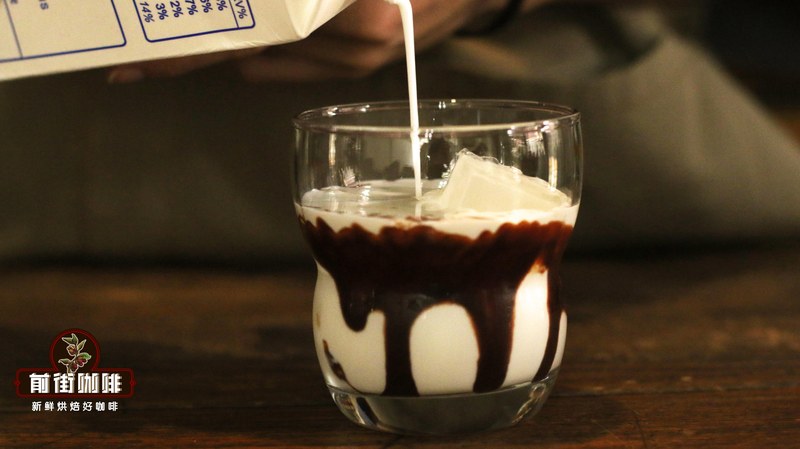
When actually selecting coffee beans, it’s advisable to take into account factors such as roast level, desired concentration, and whether you plan to add milk. If you prefer light and fruity notes, opt for a light roast and try the ice drip method first. For a sweeter and more approachable taste, medium roast cold brew is a more user-friendly option. If you’re looking for an iced coffee with a solid and full-bodied mouthfeel, medium-dark roast can meet that need. Regardless of the bean type you choose, it’s recommended to first fix the coffee-to-water ratio and extraction time, then fine-tune the concentration according to the actual flavor outcome, gradually discovering the combination that best suits your daily routine.
Cold brew, due to its low-temperature slow extraction, is perfect for refrigeration and sipping over time; ice drip, because of its lengthy production process, should be stored in clean and airtight containers, and ideally consumed during the period when its flavors are most vibrant. When choosing coffee beans, don’t just focus on the fruit or chocolate flavor descriptors on the packaging—pay more attention to what truly matters to you—whether it's the layers of aroma, the expression of sweetness, or the overall body of the mouthfeel. Exploring from light to dark roasts step by step, these three beans will恰好 guide you through the full spectrum of iced coffee experiences, from bright and refreshing to round and full-bodied.
The above content is compiled by CoffeeHunters, a coffee news website.

