








Introduction:To enjoy a cup of coffee with gentle acidity, a sweet aftertaste, and long-lasting aroma, the roast level is the most practical criterion for selection. From light to medium-light roasts through to dark roasts, not only does it influence the expression of fruit acids in coffee, but it also determines the direction of sweetness, body, and overall flavor profile. This article will introduce, according to different roast stages, which flavor characteristics are more likely to present low acidity and a sweet finish, along with practical brewing suggestions to help you find the coffee beans and brewing method that suit your taste.
Choosing a coffee that is not overly acidic, has a sweet entry, and leaves an enchanting aftertaste—roast level is actually a great starting point. Different roast degrees not only change the external color of the coffee but also affect the brightness of fruit acids, caramelized sweetness, as well as the overall layering and body when sipped. Even among black coffees, light to medium-light roasts often bring a fresh and bright taste, medium roasts offer a more rounded and balanced profile, while medium-dark and dark roasts tend to showcase the warm notes of cocoa, nuts, and caramel.
Let’s first look at light to medium-light roasting. Beans roasted to this level usually retain more of the original regional flavor characteristics, with floral and fruity aromas being more vibrant than in medium-dark roasts, though this does not necessarily mean they have sharp acidity. If you prefer coffee with soft, understated acidity, you might want to prioritize beans that exhibit tea-like, nutty, or ripe fruit notes, and use a lower brew concentration to balance the expression of sweetness and aroma.
For instance, certain bean varieties from high-altitude regions, when roasted to light to medium-light levels, often display a gentle and delicate sweetness along with subtle fruit tones. When brewed using a pour-over method, it is recommended to use a medium-to-coarse grind size and a relatively gentle pouring rate. This helps avoid astringency caused by over-extraction and allows the sweet and smooth sensations that emerge as the temperature drops to become more pronounced. If made into iced coffee, the refreshing qualities are further enhanced, making it very suitable for enjoying in the afternoon.
Medium Roastis considered the range where the balance between acidity, sweetness, and body is most easily achieved. At this stage, beans undergo more caramelization reactions, and fruit acids generally do not stand out harshly on their own, but rather harmonize with flavors such as nuts, malt, cocoa, or caramel. For those who are just beginning to seek low-acid coffee, medium-roast beans often provide a more complete flavor profile and are suitable for a variety of home brewing devices.
For example, some classic bean varieties from South American regions, when roasted to a medium level, often exude aromas of roasted nuts, cocoa powder, and caramel syrup. They feel smooth on the palate, with a sweet aftertaste reminiscent of brown sugar. When brewing via pour-over, you can try using a slightly higher coffee-to-water ratio to enhance aroma expression. If using an espresso machine to brew a shot and then adding a small amount of milk, the overall sweet and full-bodied sensation becomes even more apparent.
For daily black coffee drinkers who find light roasts too thin, medium-roast Brazilian beans are often a very approachable choice. When served hot, they showcase the warm notes of roasted nuts and cocoa, and as the coffee cools, the sweetness becomes clearer. If you encounter a dry or astringent entry during brewing, you can moderately adjust the grind to be slightly coarser or reduce the latter part of the pour to avoid releasing excessive woody tones or astringency.
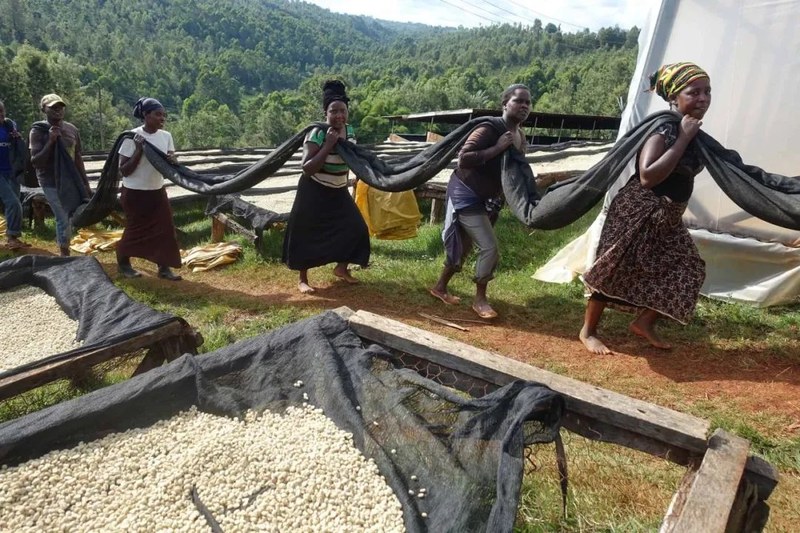
Moving into medium-dark roasting, flavors develop further toward dark chocolate, roasted nuts, caramel, and ripe fruit, with bright acidity typically taking a back seat. The mouthfeel of coffee in this range becomes more substantial, and the aromas are more likely to remind you of familiar, comforting warm tones—making it very suitable for breakfast coffee, a pick-me-up during commutes, or as a stable base for Americanos. When selecting, it is recommended to pay attention to whether there is a noticeable sweet aroma, rather than using roast color alone as the sole criterion.
Some classic bean varieties from Southeast Asia, such as Indonesia’s Golden Mandheling, when processed at medium-dark to dark roast levels, often exhibit herbal, dark chocolate, and full-bodied textures. They feel steady on the palate and do not have the strong fruit acid bursts that lighter roasts may present upon finishing. When brewed via pour-over, the water temperature doesn’t need to be too high, and a shorter extraction time can be used to preserve more of the chocolatey sweetness. If using a moka pot, it’s suitable to further dilute with water to make an Americano.
When it comes to dark roasting, many people immediately think of bitterness, but whether a dark roast coffee tastes good still depends on the bean’s essence, roast curve, and final brewing method. If sufficient sweet aroma foundation is retained during the dark roasting process, such coffees can still deliver complex layers of rich caramel, dark chocolate, and roasted nuts. When using an espresso machine, it is recommended to pull a shorter shot first, then add water or milk according to personal preference—this makes the flavor more cohesive and less scattered.
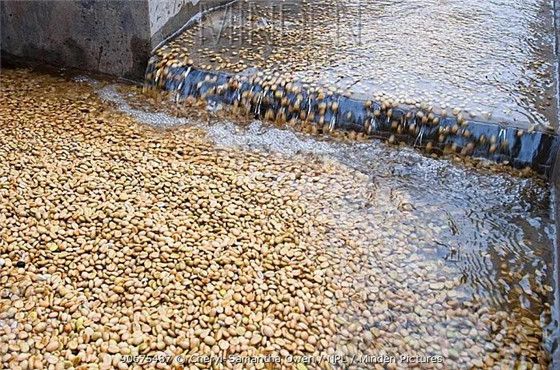
For those who prefer milk-based coffee, dark roast beans usually exhibit a stronger presence in the milk. To achieve a smooth transition between the coffee liquid and milk, the inherent concentration and body of the coffee itself become particularly important. For example, you could make Indonesian Golden Mandheling into a latte or flat white; reducing the milk amount will highlight the chocolatey tone, while if you prefer a softer and smoother taste, you can moderately increase the milk proportion to make the overall sweetness more rounded and silky.
In summary, when selecting coffee beans with low acidity and a sweet aftertaste, in addition to considering the roast level, it is also advisable to take the drinking temperature into account. Hot drinks tend to amplify the contrast between aroma and the bitter-sweet dynamic, whereas cooling down may make syrupy sensations or woody tones more apparent. Whether using pour-over or espresso brewing, it is recommended to start with a moderate coffee-to-water ratio and suitable grind size, then fine-tune according to actual flavor performance—usually allowing you to find the sweet and smooth coffee experience that best suits your taste.
The above content is compiled by CoffeeHunters, a coffee news website.

